

Common Mistakes When Using RG316 Coaxial Cable Assemblies: A Comprehensive Guide
Release Date:2026-07-27


Common Mistakes When Using RG316 Coaxial Cable Assemblies
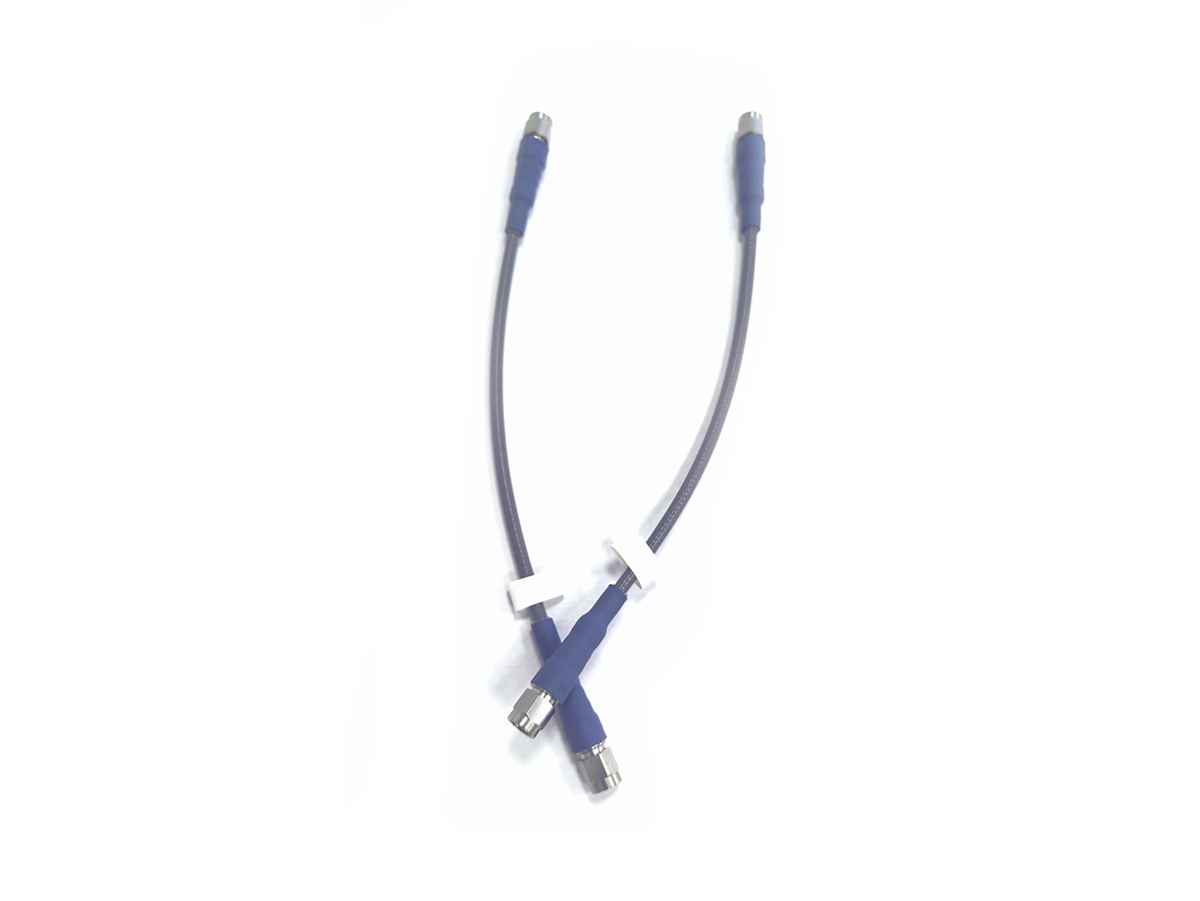
In the world of electronics, the choice and use of cables can significantly impact performance. RG316 coaxial cable assemblies are widely recognized for their flexibility, durability, and excellent signal transmission capabilities. However, improper use can lead to performance degradation and increased costs. This article delves into the **common mistakes made when using RG316 coaxial cable assemblies**, aiming to provide valuable insights for both novices and seasoned professionals.
Table of Contents
1. Understanding RG316 Coaxial Cable: Key Features and Applications
2. Mistake #1: Choosing the Wrong Cable Length
3. Mistake #2: Ignoring Proper Termination Techniques
4. Mistake #3: Overlooking Environmental Factors
5. Mistake #4: Neglecting Signal Loss Calculations
6. Mistake #5: Failing to Use Proper Connectors
7. Best Practices for Using RG316 Coaxial Cable Assemblies
8. Conclusion
9. FAQs About RG316 Coaxial Cable Assemblies
Understanding RG316 Coaxial Cable: Key Features and Applications
RG316 coaxial cables are designed for high-frequency applications, making them ideal for a variety of uses, including radio frequency (RF) communications, telemetry, and various types of antenna connections. Characterized by a **tinned copper outer conductor**, **PTFE dielectric**, and a **double-braided shield**, RG316 cables are renowned for their durability and flexibility, making them suitable for tight spaces and environments that require bending without sacrificing performance.
These cables operate effectively in environments with temperatures ranging from -55°C to +125°C, ensuring reliability in harsh conditions. Their applications span across multiple industries—telecommunications, aerospace, and medical devices are just a few examples.
Mistake #1: Choosing the Wrong Cable Length
One of the most prevalent mistakes when using RG316 coaxial cable assemblies is selecting an incorrect cable length. **Using cables that are too long or too short can lead to signal loss** and performance issues.
- **Signal Loss**: Longer cables introduce increased resistance and attenuation, resulting in reduced signal strength. Adopting the right length helps maintain signal integrity.
- **Physical Constraints**: Short cables might not reach the necessary connection points, leading to tension and potential damage.
To determine the appropriate cable length, always measure the distance between connection points and account for bends and loops that might require additional length.
Mistake #2: Ignoring Proper Termination Techniques
Improper termination of RG316 coaxial cables is another common error that can lead to connectivity issues. **Termination techniques involve the process of attaching connectors to the cable ends**. If not done correctly, it can result in:
- **Increased Reflection Coefficient**: Poorly terminated cables can reflect signals, causing disruptions in transmission quality.
- **Intermittent Connections**: Incorrectly attached connectors can lead to unreliable connections, causing intermittent signal loss.
To avoid these issues, adhere to proper termination guidelines. Use the right tools and techniques, ensuring a secure and reliable connection at each end of the cable.
Mistake #3: Overlooking Environmental Factors
Environmental factors play a crucial role in the performance of RG316 coaxial cables but are often neglected. Cables exposed to extreme temperatures, moisture, or physical stress can deteriorate quickly.
- **Temperature Effects**: RG316 cables are rated for certain temperature ranges. Using them outside of these ranges can lead to insulation breakdown.
- **Moisture and Corrosion**: Humidity can penetrate poorly sealed connectors, leading to corrosion and signal degradation over time.
When selecting and installing RG316 cables, consider the environmental conditions they will face. Utilize weather-resistant connectors and protective sheathing to enhance durability.
Mistake #4: Neglecting Signal Loss Calculations
Signal loss is an unavoidable aspect of using coaxial cables, yet many users overlook its implications. **Neglecting to calculate the expected signal loss can lead to inadequate performance** in applications requiring precise signal integrity.
- **Understanding Attenuation**: RG316 has a specific attenuation rate, typically around 70 dB per 100 feet at 1 GHz. Familiarize yourself with these specifications to anticipate signal loss across different lengths.
- **Using Amplifiers**: In scenarios where distance is unavoidable, consider using RF amplifiers to compensate for signal loss.
Performing thorough signal loss calculations ensures optimal performance and helps avoid costly mistakes down the line.
Mistake #5: Failing to Use Proper Connectors
Using the wrong type of connectors with RG316 coaxial cables can severely impact performance. **Connectors must match both the cable type and the application requirements**.
- **Impedance Mismatch**: The standard impedance for RG316 is 50 ohms. Using a 75-ohm connector will lead to performance issues, including reflections and signal degradation.
- **Connector Quality**: Low-quality connectors can introduce additional resistance and interference, negating the benefits of using RG316 cable assemblies.
Always select connectors designed for RG316 cables, ensuring compatibility with the intended application to maintain high-quality performance.
Best Practices for Using RG316 Coaxial Cable Assemblies
To maximize the performance of RG316 coaxial cable assemblies, implement the following best practices:
- **Select the Correct Length**: Always measure accurately and choose cable lengths that minimize excess.
- **Terminate Properly**: Use high-quality tools and follow standard procedures for terminating cables to ensure reliable connections.
- **Consider Environmental Conditions**: Use appropriate protective measures against environmental stressors.
- **Calculate and Monitor Signal Loss**: Regularly assess signal integrity and make adjustments as necessary.
- **Choose Quality Components**: Invest in high-quality connectors that match the specifications of the RG316 cable.
By adhering to these best practices, you can enhance the functionality and longevity of your coaxial cable assemblies.
Conclusion
Understanding and avoiding the common mistakes associated with RG316 coaxial cable assemblies is essential for ensuring optimal performance in various applications. From selecting the correct cable length to using the right connectors, each decision impacts signal quality and reliability.
By following the insights and recommendations outlined in this article, users can significantly improve their experience with RG316 cables, leading to enhanced performance and reduced costs over time.
FAQs About RG316 Coaxial Cable Assemblies
1. What is RG316 coaxial cable used for?
RG316 coaxial cable is commonly used in applications requiring high-frequency transmission, including telecommunications, RF communications, and telemetry systems.
2. How do I calculate the signal loss in RG316 cable?
Signal loss can be calculated using the attenuation rate, typically around 70 dB per 100 feet at 1 GHz. Multiply the length of the cable by the attenuation rate to determine total loss.
3. Can I use RG316 cable outdoors?
While RG316 cables can withstand various environmental conditions, it is recommended to use weather-resistant connectors and protective sheathing for outdoor applications.
4. How can I ensure proper termination of RG316 cables?
To ensure proper termination, follow manufacturer guidelines and use quality tools. If unsure, consider hiring a professional for installation.
5. Are RG316 cables suitable for high-power applications?
RG316 cables are more suitable for low to medium-power applications. For high-power scenarios, consider using cables designed for higher power ratings to prevent overheating and signal loss.
By addressing these frequently asked questions, users can gain a better understanding of RG316 coaxial cable assemblies and how to utilize them effectively.


Do you have Questions?
Not sure what you're looking for? Unable to find what you need?