

Understanding Low Skew Differential Signal Cables: Key Insights for Professionals
Release Date:2026-08-02


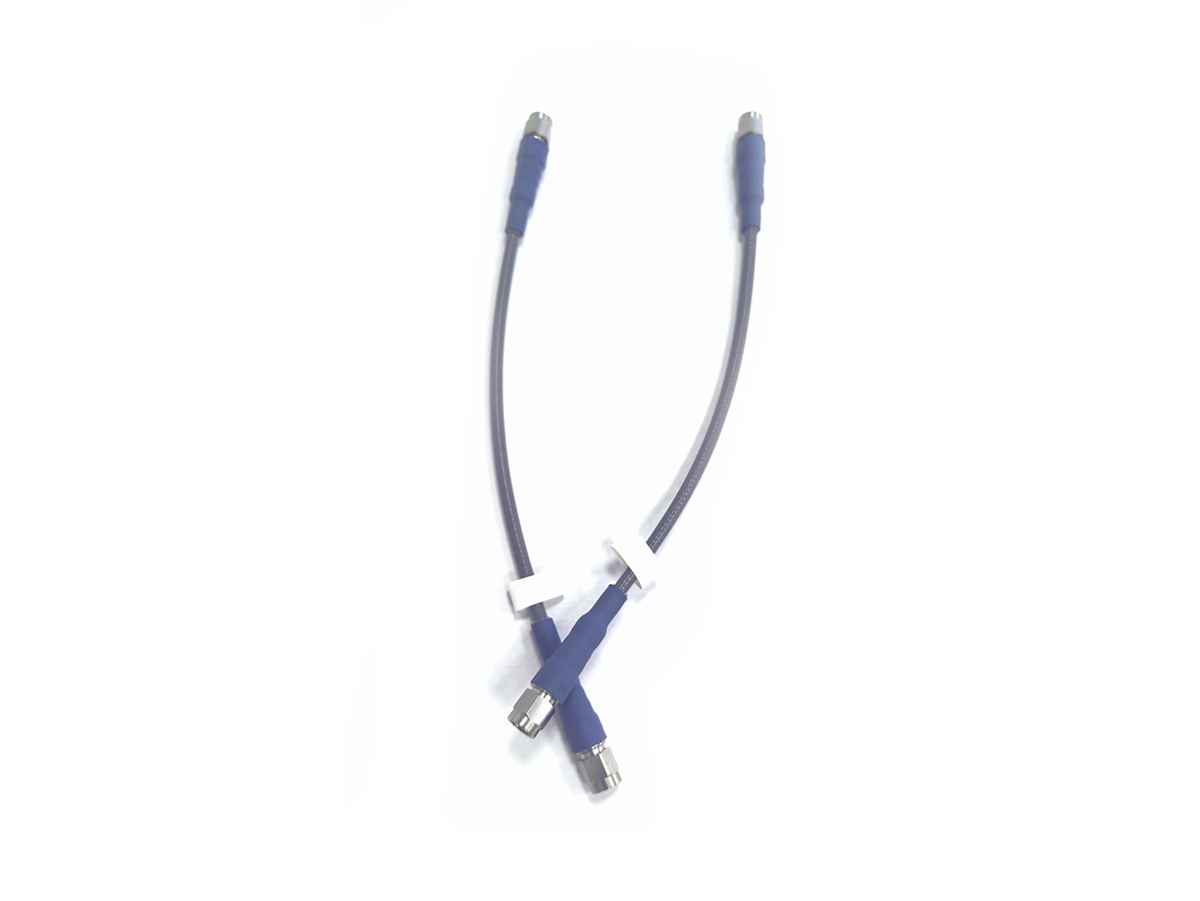
Low skew differential signal cables are an essential component in modern electrical systems, particularly in applications requiring high-speed data transmission and minimal signal degradation. These cables are designed to transmit differential signals, which consist of two complementary electrical signals that help to improve noise immunity and enhance overall signal integrity. The term "low skew" refers to the minimal timing difference, or skew, between the two signals as they travel through the cable, ensuring that they arrive at their destination simultaneously. This characteristic is particularly crucial in environments where high data rates are necessary, such as data centers, telecommunications, and advanced computing systems.
One of the primary advantages of low skew differential signal cables is their ability to minimize crosstalk, a common issue in multi-pair cable configurations. Crosstalk occurs when the signal from one pair of conductors interferes with another, potentially leading to data corruption. By utilizing low skew cables, professionals can reduce this risk, leading to enhanced data integrity and reliability—a critical factor in applications where precision is paramount.
When choosing low skew differential signal cables, several factors should be considered. First, the cable's construction material plays a vital role in its performance. High-quality dielectric materials can significantly reduce signal loss, while twisted pair configurations can further enhance the suppression of electromagnetic interference (EMI). Additionally, professionals should be mindful of the cable's impedance, which should match the requirements of the specific application to avoid reflections and signal degradation.
Another important consideration is the cable's length and installation environment. Longer cables can introduce additional skew, so it is essential to select the appropriate length for the application and to install the cables in a manner that minimizes bends and stress. Proper installation practices, such as maintaining adequate separation from power cables and using appropriate connectors, can also help to maintain signal integrity.
In summary, low skew differential signal cables are vital for ensuring high-performance data transmission in various electrical applications. By understanding the key characteristics and factors influencing their performance, professionals in the electrical and cabling industry can make informed decisions that enhance system reliability and efficiency. Whether dealing with high-speed data networks or sophisticated electronic systems, comprehensive knowledge of these specialized cables is essential for achieving optimal results.
One of the primary advantages of low skew differential signal cables is their ability to minimize crosstalk, a common issue in multi-pair cable configurations. Crosstalk occurs when the signal from one pair of conductors interferes with another, potentially leading to data corruption. By utilizing low skew cables, professionals can reduce this risk, leading to enhanced data integrity and reliability—a critical factor in applications where precision is paramount.
When choosing low skew differential signal cables, several factors should be considered. First, the cable's construction material plays a vital role in its performance. High-quality dielectric materials can significantly reduce signal loss, while twisted pair configurations can further enhance the suppression of electromagnetic interference (EMI). Additionally, professionals should be mindful of the cable's impedance, which should match the requirements of the specific application to avoid reflections and signal degradation.
Another important consideration is the cable's length and installation environment. Longer cables can introduce additional skew, so it is essential to select the appropriate length for the application and to install the cables in a manner that minimizes bends and stress. Proper installation practices, such as maintaining adequate separation from power cables and using appropriate connectors, can also help to maintain signal integrity.
In summary, low skew differential signal cables are vital for ensuring high-performance data transmission in various electrical applications. By understanding the key characteristics and factors influencing their performance, professionals in the electrical and cabling industry can make informed decisions that enhance system reliability and efficiency. Whether dealing with high-speed data networks or sophisticated electronic systems, comprehensive knowledge of these specialized cables is essential for achieving optimal results.


Do you have Questions?
Not sure what you're looking for? Unable to find what you need?