

The Future of Wiring: Understanding LD-PTFE Low Loss Cable Technology
Release Date:2026-07-31


The Future of Wiring: Understanding LD-PTFE Low Loss Cable Technology
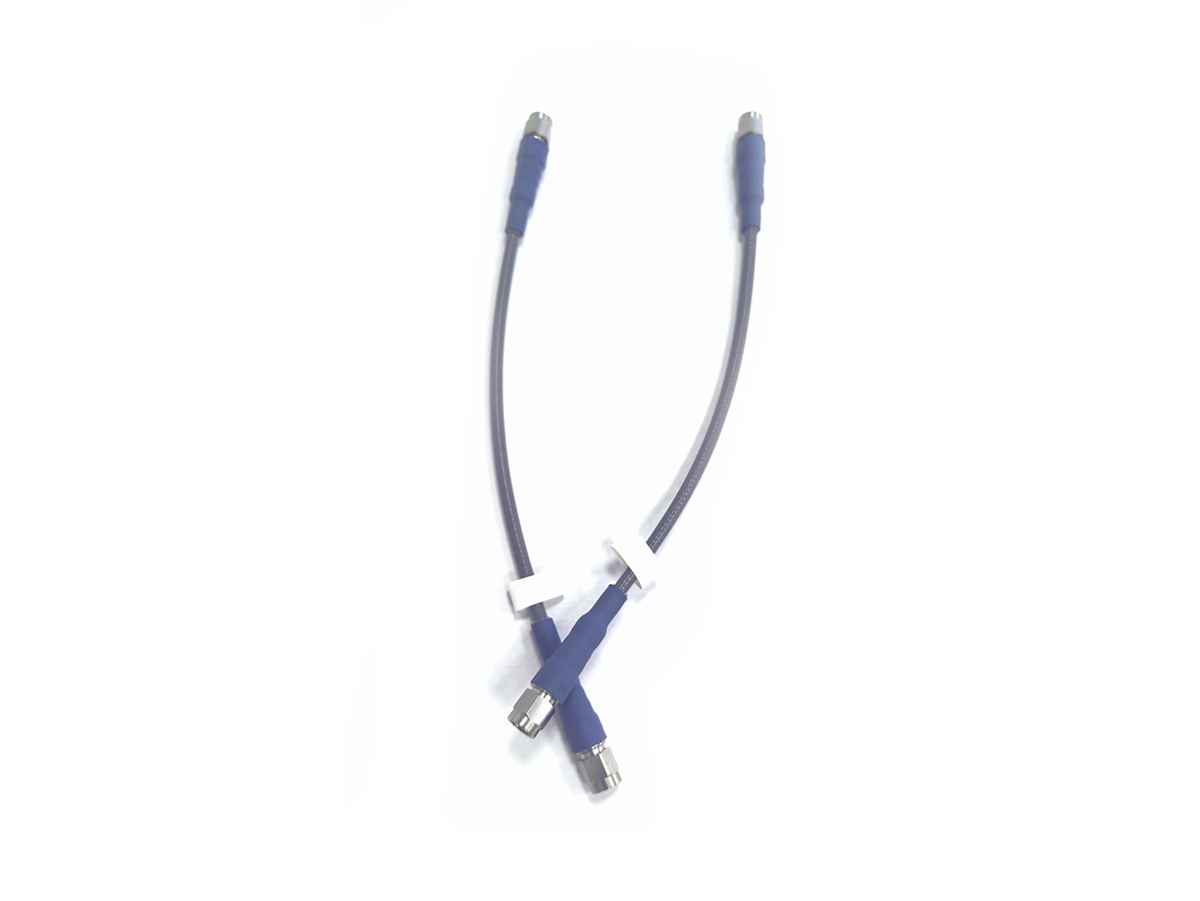
As industries evolve and the demand for efficient electrical systems increases, the importance of innovative wiring solutions cannot be overstated. Among these advancements, **LD-PTFE low loss cable technology** stands out as a pivotal development. This comprehensive guide will delve into what LD-PTFE cables are, their unique advantages, applications, and the future they hold in the electrical and electronics sectors.
Table of Contents
- 1. Introduction to LD-PTFE Cables
- 2. What is LD-PTFE?
- 3. Benefits of LD-PTFE Low Loss Cables
- 4. Applications of LD-PTFE Cables
- 5. Installation and Maintenance of LD-PTFE Cables
- 6. The Future of LD-PTFE Technology
- 7. FAQs about LD-PTFE Low Loss Cables
- 8. Conclusion
1. Introduction to LD-PTFE Cables
In recent years, the demand for **high-performance wiring solutions** has surged, particularly in sectors requiring reliable and efficient transmission of electrical signals. **LD-PTFE low loss cables** are at the forefront of this revolution. These cables have been engineered for minimal signal degradation, making them ideal for applications where performance is critical.
2. What is LD-PTFE?
**LD-PTFE**, or Low-Density Polytetrafluoroethylene, is a specialized material known for its remarkable properties, including low dielectric constant and low loss characteristics. Unlike standard PTFE, LD-PTFE has a lower density, which enhances its flexibility and reduces the weight of the cables. This innovative material is primarily used in the manufacturing of cables that require **high-frequency transmission** with minimal signal loss.
3. Benefits of LD-PTFE Low Loss Cables
LD-PTFE low loss cables offer various advantages that make them suitable for numerous applications. Here, we explore some key benefits:
3.1 Thermal Resistance
One of the standout features of LD-PTFE cables is their excellent **thermal resistance**. This capability allows them to function effectively in extreme temperature conditions, often ranging from -55°C to 200°C. Such resilience ensures that cables maintain performance even in challenging environments, making them ideal for industries like aerospace and defense.
3.2 Low Loss Performance
The primary advantage of LD-PTFE cables is their **low loss performance**. They exhibit minimal attenuation of signals, ensuring that data transmission remains clear and reliable over long distances. This characteristic is particularly vital for applications involving high-frequency signals, where any signal degradation can lead to significant performance issues.
3.3 Chemical Resistance
LD-PTFE's unique chemical composition provides outstanding **chemical resistance**, allowing these cables to withstand exposure to various harsh substances. This property ensures longevity and reliability, as LD-PTFE cables can operate effectively in environments where standard cables would degrade, such as chemical plants or laboratories.
4. Applications of LD-PTFE Cables
The versatility of LD-PTFE cables makes them suitable for various applications across multiple industries. Below are some prominent uses of this innovative wiring solution:
4.1 Telecommunications
In the telecommunications sector, LD-PTFE cables are crucial for transmitting data at high speeds with minimal loss. Their low attenuation properties make them ideal for connecting cellular networks, satellite communications, and broadband services, ensuring robust and uninterrupted connectivity.
4.2 Aerospace and Defense
The aerospace and defense industries demand the highest performance and reliability standards. LD-PTFE cables are used extensively in avionics, radar systems, and military communication systems due to their ability to withstand extreme environmental conditions and provide consistent signal integrity.
4.3 Automotive
As the automotive industry shifts towards more advanced electronic systems, the demand for reliable wiring solutions has grown. LD-PTFE cables are increasingly utilized in electric vehicles (EVs) and advanced driver-assistance systems (ADAS), where they help ensure safe and effective communication between electronic components.
5. Installation and Maintenance of LD-PTFE Cables
Proper installation and maintenance are crucial for maximizing the performance of LD-PTFE cables. Here are some key considerations:
1. **Preparation**: Before installation, ensure that all tools and materials are ready. Check the specifications of the cable to confirm compatibility with connectors and fixtures.
2. **Installation Techniques**: Utilize appropriate techniques to avoid damaging the cables during installation. LD-PTFE cables are flexible, but excessive bending or twisting can compromise their integrity.
3. **Regular Maintenance**: Schedule periodic inspections to check for signs of wear or environmental damage. Maintaining clean connections and surfaces can significantly enhance performance.
4. **Environmental Considerations**: Consider the operating environment when selecting cable routes and protective measures. LD-PTFE cables are resistant to various chemicals and environmental factors, but proper shielding can extend their lifespan further.
6. The Future of LD-PTFE Technology
The future of LD-PTFE low loss cables looks promising as technology continues to advance. With the growing demand for high-speed data transmission, particularly with the rollout of 5G networks and the Internet of Things (IoT), LD-PTFE cables are well-positioned to meet these evolving needs. Ongoing research into improving material properties and manufacturing processes will likely enhance performance further, making these cables even more indispensable in modern applications.
Furthermore, as industries continue to prioritize sustainability, LD-PTFE’s durability and resistance to environmental factors may lead to increased adoption in eco-friendly projects.
7. FAQs about LD-PTFE Low Loss Cables
**Q1: What is the main advantage of using LD-PTFE cables over traditional cables?**
A1: The primary advantage is their **low loss performance**, which minimizes signal degradation, making them ideal for high-frequency applications.
**Q2: Can LD-PTFE cables handle extreme temperatures?**
A2: Yes, LD-PTFE cables can operate effectively in extreme temperatures, typically ranging from -55°C to 200°C, ensuring reliability in demanding environments.
**Q3: Are LD-PTFE cables resistant to chemicals?**
A3: Absolutely, LD-PTFE cables offer excellent chemical resistance, allowing them to withstand exposure to various harsh substances without degrading.
**Q4: What industries benefit most from LD-PTFE low loss cables?**
A4: Industries such as telecommunications, aerospace, defense, and automotive significantly benefit from LD-PTFE cables due to their high performance and reliability.
**Q5: How should LD-PTFE cables be installed to ensure longevity?**
A5: Proper installation techniques should be followed, including avoiding excessive bending and regularly inspecting for wear. Periodic maintenance is also recommended to maintain performance.
8. Conclusion
In conclusion, **LD-PTFE low loss cables** represent a significant advancement in wiring technology, offering numerous benefits that cater to the demands of modern industries. Their exceptional properties—thermal resistance, low loss performance, and chemical resistance—make them indispensable in applications ranging from telecommunications to aerospace. As we move towards a future reliant on high-speed data transmission and advanced electronic systems, the role of LD-PTFE cables will only become more prominent. By understanding their advantages and applications, businesses can leverage this innovative technology to improve efficiency and performance in their electrical systems.


Do you have Questions?
Not sure what you're looking for? Unable to find what you need?