

Unlocking Signal Clarity: The Comprehensive Guide to LD-PTFE Low Loss Cables
Release Date:2026-08-16


Understanding LD-PTFE Low Loss Cable: A Comprehensive Overview
In the rapidly evolving world of telecommunications and electronics, ensuring signal integrity is crucial for the performance and reliability of systems. One of the standout solutions in this domain is the **LD-PTFE Low Loss Cable**. This article will explore what LD-PTFE Low Loss Cables are, their unique properties, applications, and benefits, thereby providing a thorough understanding of why they are ideal for maintaining signal clarity.
What is LD-PTFE Low Loss Cable?
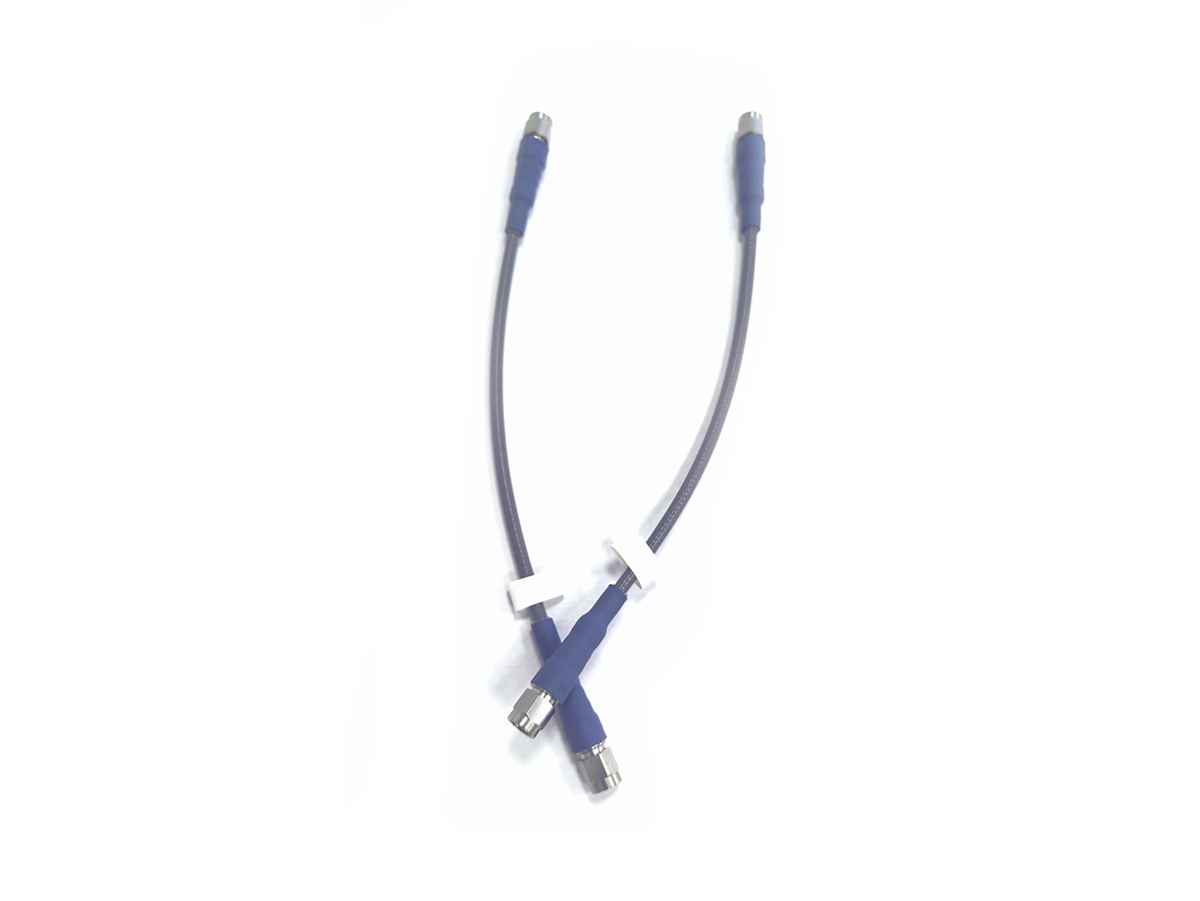
LD-PTFE (Low-Density Polytetrafluoroethylene) Low Loss Cables are specifically engineered to minimize signal loss over distances, making them an ideal choice for high-frequency applications. The unique characteristics of PTFE contribute to its low dielectric constant and exceptional thermal stability, ensuring that signals can travel with minimal attenuation.
Key Features of LD-PTFE Low Loss Cable
1. **Low Signal Loss**: The primary advantage of LD-PTFE cables is their ability to maintain signal strength over long distances, making them essential in applications where clarity is crucial.
2. **High Temperature Resistance**: LD-PTFE can withstand a wide range of temperatures, offering flexibility in various environmental conditions.
3. **Chemical Resistance**: The durability of PTFE makes these cables resistant to chemicals, ensuring longevity and reliability in challenging environments.
4. **Minimal Interference**: The design of LD-PTFE cables reduces electromagnetic interference (EMI), enhancing signal fidelity.
Applications of LD-PTFE Low Loss Cables
LD-PTFE Low Loss Cables are versatile and can be utilized in numerous applications:
- **Telecommunications**: Used in cell towers and data centers to improve communication efficiency.
- **Broadcasting**: Essential for transmitting high-quality audio and video signals.
- **Military and Aerospace**: Used in radars and communication systems due to their reliability and performance.
- **Research Laboratories**: Ideal for experiments requiring precise data transmission.
Advantages of Using LD-PTFE Low Loss Cables
The benefits of utilizing LD-PTFE Low Loss Cables extend beyond their technological features. Here are several advantages:
Improved Signal Quality
With a low loss rate, LD-PTFE cables help maintain high signal quality even in extreme conditions, ensuring high-definition transmission for critical applications.
Cost-Efficiency
Despite the initial investment, LD-PTFE Low Loss Cables save costs in the long run by reducing the need for frequent replacements and minimizing maintenance expenses.
Versatility in Applications
From industrial settings to residential use, LD-PTFE cables cater to various needs, making them a flexible choice for many industries.
Environmental Impact
LD-PTFE cables are designed for durability, which means fewer replacements and less waste, contributing positively to environmental sustainability.
Technical Specifications: Understanding LD-PTFE Cable Components
To fully grasp the advantages of LD-PTFE cables, it's essential to dive into their technical specifications.
Dielectric Properties
The dielectric constant of LD-PTFE is significantly lower than that of conventional materials. This low value is crucial for reducing signal loss and ensuring effective high-frequency performance.
Conductor Design
The conductors are usually made of copper or aluminum, which are known for their excellent conductivity. The design often incorporates multiple strands to enhance flexibility and ease of installation.
Shielding Techniques
Proper shielding is vital for protecting the integrity of the signals. LD-PTFE Low Loss Cables typically use foil or braided shields that provide excellent protection against external interference.
Installation Guidelines for LD-PTFE Low Loss Cables
Installing LD-PTFE Low Loss Cables requires careful consideration to maintain performance. Here are some guidelines:
Preparation
Before installation, ensure that all tools and materials are ready. Inspect the cable for any damages during shipping or handling.
Cutting and Stripping
When cutting LD-PTFE cables, use sharp tools to prevent fraying. Stripping should be done carefully to avoid damaging the insulation.
Connectorization
Use high-quality connectors designed for low loss applications to maintain signal integrity. Ensure proper termination techniques to prevent signal degradation.
Maintaining LD-PTFE Low Loss Cables for Longevity
Proper maintenance can significantly extend the lifespan of LD-PTFE cables. Here are some tips:
Regular Inspections
Conduct periodic checks to ensure that cables are free from physical damage and environmental hazards.
Cleaning Techniques
Keep cables clean from dust and contaminants. Use non-abrasive cleaners suitable for PTFE materials to maintain surface integrity.
Temperature Control
Avoid exposing cables to extreme temperatures beyond their rated limits to prevent degradation.
Frequently Asked Questions (FAQs)
1. What are the main applications for LD-PTFE Low Loss Cables?
LD-PTFE Low Loss Cables are primarily used in telecommunications, broadcasting, military applications, and research laboratories.
2. How does LD-PTFE compare to other cable types?
LD-PTFE cables have lower signal loss and improved temperature resistance compared to many conventional cables, making them ideal for high-frequency applications.
3. Can LD-PTFE cables be used outdoors?
Yes, LD-PTFE cables are durable and can resist various environmental conditions, making them suitable for outdoor applications.
4. How do you choose the right LD-PTFE cable for your project?
Consider factors such as the required frequency, environment, and installation requirements to select the appropriate LD-PTFE cable.
5. What maintenance is required for LD-PTFE cables?
Regular inspections, cleaning, and ensuring temperature control are essential for maintaining the durability and performance of LD-PTFE cables.
Conclusion
In summary, LD-PTFE Low Loss Cables represent a superior solution for applications where signal integrity is paramount. With their unique properties, wide range of applications, and numerous advantages, these cables stand out in the electrical and telecommunications industry. By investing in LD-PTFE Low Loss Cables, professionals can ensure optimal performance, reliability, and longevity in their systems, paving the way for clearer signals and enhanced communication capabilities.


Do you have Questions?
Not sure what you're looking for? Unable to find what you need?