

Understanding Low Skew Differential Signal Cables: Key Features and Benefits
Release Date:2026-08-18


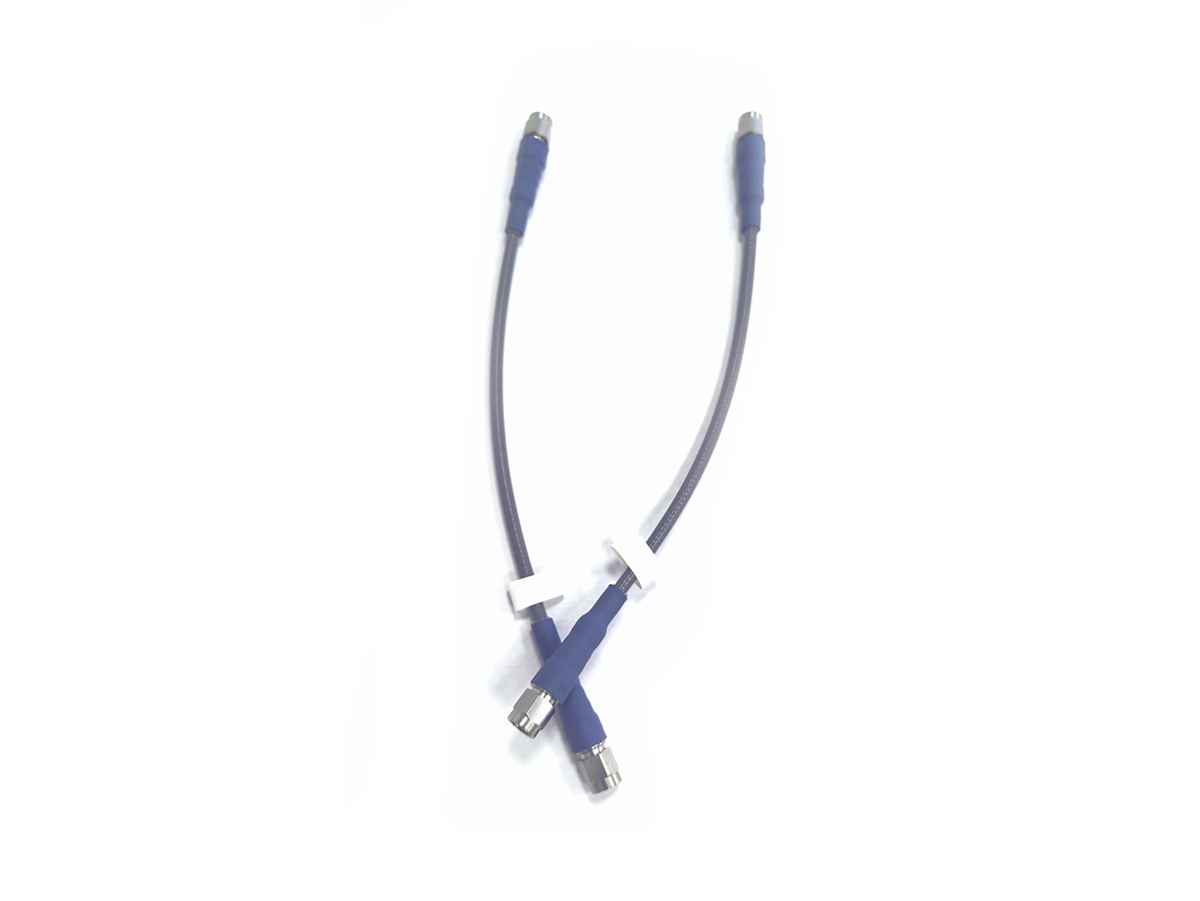
Low skew differential signal cables are designed to transmit signals with minimal timing differences between the paired conductors, which is crucial for high-speed data communication. The term "low skew" refers to the synchronization of the signals traveling through the cable, ensuring that any differential signal arrives at the receiver simultaneously. This characteristic is especially important in applications where signal integrity and timing are critical, such as in telecommunications, data centers, and complex electronic systems.
One of the primary advantages of low skew differential signal cables is their ability to reduce crosstalk and electromagnetic interference (EMI). The twisted pair configuration typically used in these cables helps to cancel out any interference that could disrupt the signal. By maintaining a consistent impedance throughout the cable length, these cables also minimize reflections, which can further enhance the clarity and reliability of the transmitted signals.
The construction of low skew differential signal cables often involves high-quality materials and advanced manufacturing techniques. For instance, they may feature precise cable geometry and controlled capacitance to ensure uniform electrical properties. Additionally, the use of shielding can provide extra protection against external noise, making these cables suitable for environments with significant electromagnetic activity.
In high-speed applications, low skew differential signal cables are essential for maintaining data integrity. They are commonly used in applications such as HDMI, USB 3.0, and other high-bandwidth interfaces where signal degradation can lead to errors and performance issues. By choosing low skew cables, engineers can achieve faster data rates and improved overall system performance.
Moreover, these cables are designed to be compatible with a variety of connectors and systems, making them versatile for different applications. When selecting a low skew differential signal cable, it is important to consider factors such as the required data rate, cable length, and environmental conditions. Proper installation and termination are also critical to ensure optimal performance and longevity of the cable.
In conclusion, low skew differential signal cables play a vital role in modern electrical and electronic systems. Their ability to deliver high-speed data with minimal interference makes them indispensable in applications demanding superior signal integrity. Understanding their features and benefits can help professionals in the electrical industry make informed decisions when selecting cables for their projects, ultimately contributing to the efficiency and reliability of their systems.
One of the primary advantages of low skew differential signal cables is their ability to reduce crosstalk and electromagnetic interference (EMI). The twisted pair configuration typically used in these cables helps to cancel out any interference that could disrupt the signal. By maintaining a consistent impedance throughout the cable length, these cables also minimize reflections, which can further enhance the clarity and reliability of the transmitted signals.
The construction of low skew differential signal cables often involves high-quality materials and advanced manufacturing techniques. For instance, they may feature precise cable geometry and controlled capacitance to ensure uniform electrical properties. Additionally, the use of shielding can provide extra protection against external noise, making these cables suitable for environments with significant electromagnetic activity.
In high-speed applications, low skew differential signal cables are essential for maintaining data integrity. They are commonly used in applications such as HDMI, USB 3.0, and other high-bandwidth interfaces where signal degradation can lead to errors and performance issues. By choosing low skew cables, engineers can achieve faster data rates and improved overall system performance.
Moreover, these cables are designed to be compatible with a variety of connectors and systems, making them versatile for different applications. When selecting a low skew differential signal cable, it is important to consider factors such as the required data rate, cable length, and environmental conditions. Proper installation and termination are also critical to ensure optimal performance and longevity of the cable.
In conclusion, low skew differential signal cables play a vital role in modern electrical and electronic systems. Their ability to deliver high-speed data with minimal interference makes them indispensable in applications demanding superior signal integrity. Understanding their features and benefits can help professionals in the electrical industry make informed decisions when selecting cables for their projects, ultimately contributing to the efficiency and reliability of their systems.


Do you have Questions?
Not sure what you're looking for? Unable to find what you need?