

Key Features of LD-PTFE Low Loss Cable That You Should Know
Release Date:2026-10-03


Understanding LD-PTFE Low Loss Cable: A Comprehensive Overview
In the world of electrical engineering, the efficiency and reliability of connections are paramount. LD-PTFE low loss cable has emerged as a frontrunner in high-frequency applications, known for its exceptional performance characteristics. This article will explore the key features of LD-PTFE low loss cable, explaining why it is an indispensable choice for professionals in the electrical and telecommunications industries.
What is LD-PTFE Low Loss Cable?
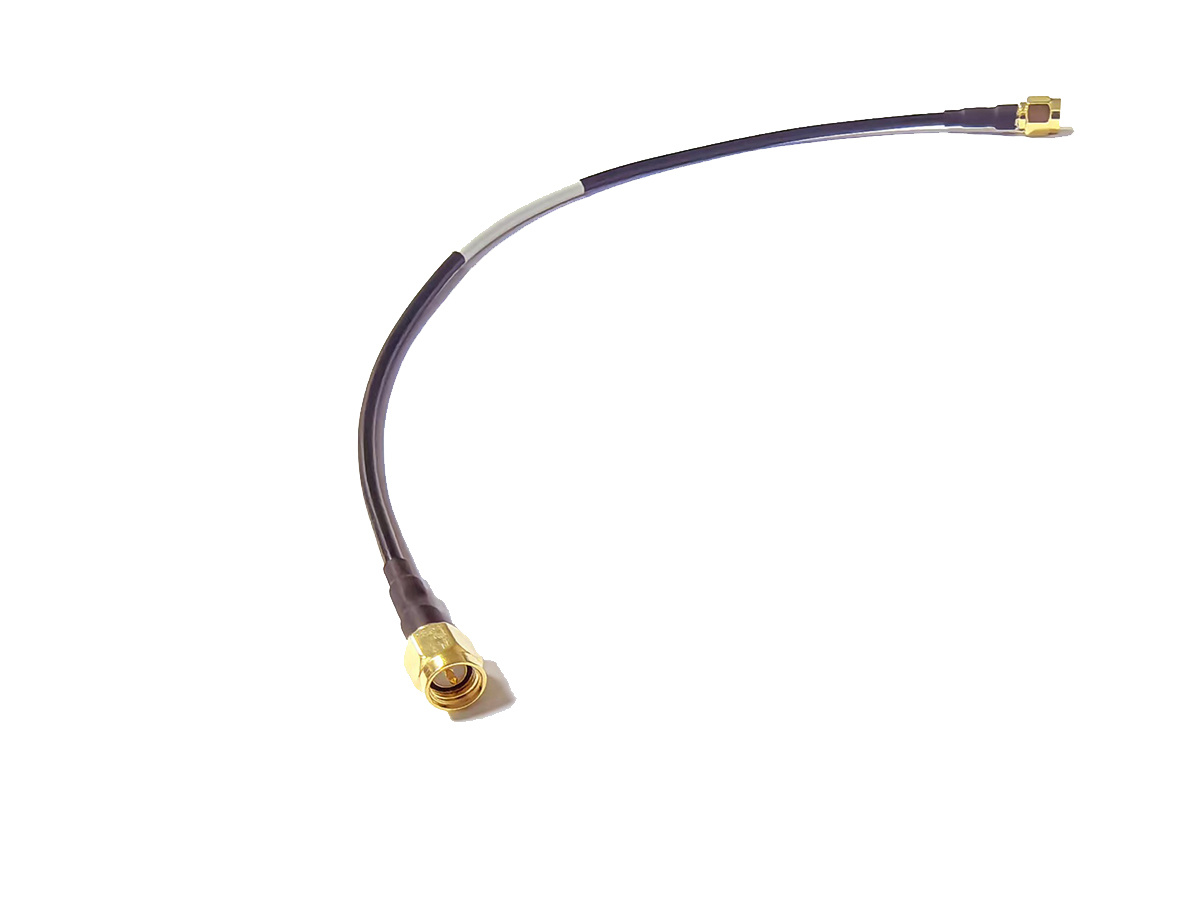
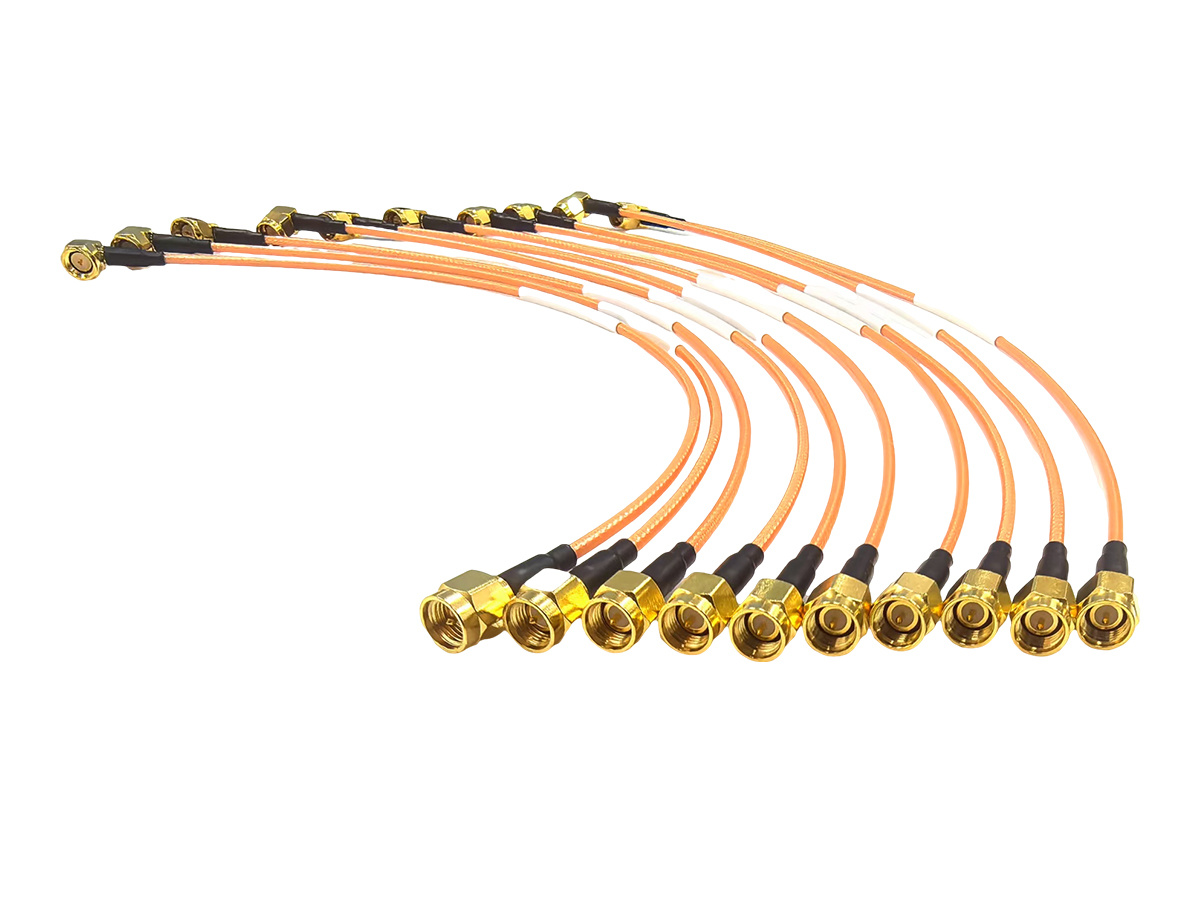
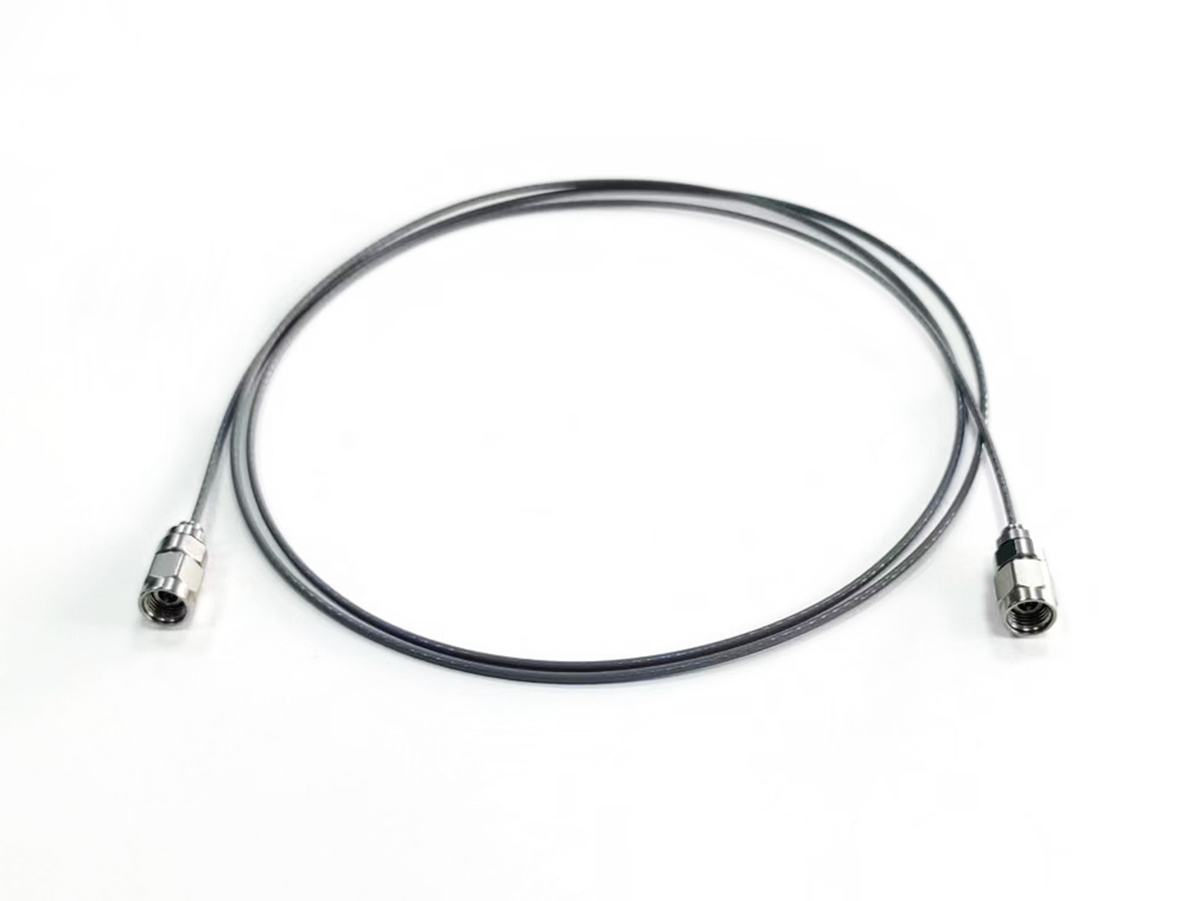
LD-PTFE, which stands for Low-Density Polytetrafluoroethylene, is a specialized type of cable designed to minimize signal loss during transmission. This unique cable structure offers distinctive properties that make it suitable for various applications, particularly in environments where maintaining signal integrity is critical.
Composition and Design
LD-PTFE cables are constructed from high-quality materials that contribute to their low loss properties. The core is typically made from silver-plated copper or solid copper, surrounded by a low-density PTFE dielectric. This combination of materials ensures minimal signal degradation and enhances performance across a wide frequency range.
Characteristics of the Dielectric
The dielectric material in LD-PTFE cables plays a vital role in their overall performance. PTFE is known for its low dielectric constant and low loss tangent, which means it can transmit signals efficiently with minimal interference. This characteristic makes LD-PTFE cables particularly effective in high-frequency applications, where any loss of signal can significantly impact performance.
Key Features of LD-PTFE Low Loss Cable
Understanding the key features of LD-PTFE low loss cable can help engineers and technicians select the right cable for their applications. Below are some of the standout characteristics:
1. Low Signal Loss
One of the most significant advantages of LD-PTFE cables is their ability to maintain signal integrity over long distances. With low attenuation rates, these cables minimize the loss of power and quality, ensuring reliable performance for data transmission.
2. High Frequency Performance
LD-PTFE cables are specifically designed to operate effectively at high frequencies, often exceeding 10 GHz. This capability makes them ideal for applications such as telecommunications, satellite communications, and microwave systems, where maintaining high bandwidth is crucial.
3. Excellent Temperature Stability
LD-PTFE cables can withstand extreme temperature variations without compromising their performance. Their operating temperature range typically spans from -55°C to 200°C, making them suitable for a wide array of environments, including industrial and outdoor settings.
4. Mechanical Durability
Durability is a critical feature in any cable, and LD-PTFE does not disappoint. The resilient construction of LD-PTFE cables ensures they can resist physical stress, moisture, and chemicals, making them reliable even in the harshest conditions.
5. Lightweight and Flexible
Unlike many other types of cables, LD-PTFE cables are lightweight and flexible, allowing for easier installation and routing in tight spaces. This feature is particularly beneficial in applications where weight is a crucial factor, such as aerospace and mobile communications.
Applications of LD-PTFE Low Loss Cable
The applications of LD-PTFE cables are extensive, thanks to their unique features. Here are some of the most common uses:
1. Telecommunications
LD-PTFE cables are widely used in telecommunications for data transmission at high frequencies. Their low loss characteristics ensure that signals remain strong and clear over long distances, a crucial requirement for modern communication networks.
2. Satellite Communication
In satellite communication, maintaining signal integrity is vital due to the vast distances involved. LD-PTFE cables provide the necessary performance to ensure reliable transmission of signals to and from satellites.
3. Aerospace Applications
The aerospace industry requires lightweight and durable components that can withstand extreme conditions. LD-PTFE cables fit this bill perfectly, making them a popular choice for aircraft and spacecraft systems.
4. Medical Devices
In the medical field, LD-PTFE cables are employed in various devices, including diagnostic equipment and surgical instruments, where precision and reliability are non-negotiable.
5. Industrial Automation
Industries focused on automation utilize LD-PTFE cables to ensure signal integrity between sensors and control systems, enhancing the overall efficiency of automated processes.
Comparing LD-PTFE to Traditional Cables
When selecting the right cable for a project, it's important to compare LD-PTFE with traditional options. Here, we will highlight key differences that set LD-PTFE apart.
1. Signal Loss
Traditional cables often suffer from higher signal loss, particularly over long distances. In contrast, LD-PTFE cables exhibit significantly lower attenuation, making them the preferred choice for applications where signal integrity is crucial.
2. Frequency Range
While many traditional cables struggle to perform effectively at high frequencies, LD-PTFE cables excel, maintaining performance in environments that demand high bandwidth.
3. Temperature Resistance
Traditional cables may not withstand extreme temperatures, leading to performance issues or failures. LD-PTFE cables, on the other hand, are designed to operate effectively in a wide temperature range, enhancing their versatility.
4. Weight and Flexibility
Many traditional cables can be bulky and difficult to manage. LD-PTFE cables offer a lightweight and flexible alternative, making installation easier and more efficient.
Installation Tips for LD-PTFE Low Loss Cable
Proper installation of LD-PTFE cables is essential to maximize their performance. Here are some tips to consider:
1. Avoid Sharp Bends
When routing LD-PTFE cables, avoid sharp bends or kinks. Sharp bends can introduce stress on the cable, potentially leading to signal loss or damage.
2. Use Proper Connectors
Selecting the right connectors for LD-PTFE cables is critical. Ensure that connectors are compatible with the cable's specifications to maintain signal integrity.
3. Secure Cables Properly
Use cable ties or other securing devices to prevent movement and protect cables from physical damage. However, avoid over-tightening, which could cause stress on the cable.
4. Maintain Cleanliness
Keep the installation area clean to prevent dust and debris from entering the cable connectors, which can degrade signal quality.
Frequently Asked Questions (FAQs)
1. What is the main advantage of using LD-PTFE low loss cable?
The primary advantage is its low signal loss, which ensures high-quality data transmission over long distances, making it ideal for high-frequency applications.
2. Can LD-PTFE cables be used in outdoor applications?
Yes, LD-PTFE cables are designed to withstand various environmental conditions, including outdoor settings, due to their high durability and temperature stability.
3. How does LD-PTFE compare to other types of coaxial cables?
LD-PTFE cables typically offer lower attenuation, better high-frequency performance, and greater flexibility compared to many traditional coaxial cables.
4. What are the temperature limits for LD-PTFE low loss cables?
LD-PTFE cables can operate effectively in a temperature range of -55°C to 200°C.
5. Are LD-PTFE cables suitable for use in medical devices?
Yes, LD-PTFE cables are suitable for medical devices due to their reliability and ability to maintain signal integrity, which is critical in medical applications.
Conclusion
LD-PTFE low loss cable is an exceptional choice for professionals in the electrical and telecommunications industries. Its unique features, including low signal loss, high-frequency performance, and excellent temperature stability, make it a reliable option for a variety of applications. By understanding the key characteristics and benefits of LD-PTFE cables, engineers and technicians can make informed decisions to enhance the quality and reliability of their projects. As technology continues to advance, LD-PTFE cables are likely to remain at the forefront of electrical engineering solutions, setting the standard for performance and efficiency.
Do you have Questions?
Not sure what you're looking for? Unable to find what you need?