

Understanding RG316 Coaxial Cable Assembly Specifications: A Comprehensive Guide for Professionals
Release Date:2026-10-15


Understanding RG316 Coaxial Cable Assembly Specifications
Table of Contents
1. Introduction to Coaxial Cables
2. What is RG316 Coaxial Cable?
2.1 Key Features of RG316
2.2 RG316 vs. Other Coaxial Cables
3. Specifications of RG316 Coaxial Cable Assemblies
3.1 Electrical Properties
3.2 Mechanical Properties
3.3 Environmental Considerations
4. Applications of RG316 Coaxial Cable Assemblies
4.1 Telecommunications
4.2 Automotive Industry
4.3 Aerospace and Defense
5. Advantages of Using RG316 Coaxial Cables
6. Installation Best Practices for RG316 Assemblies
7. FAQs about RG316 Coaxial Cable Assemblies
8. Conclusion
1. Introduction to Coaxial Cables
Coaxial cables are vital components in modern telecommunication systems, delivering strong signals with minimal interference. The design of coaxial cables, which consists of an inner conductor, dielectric insulator, outer conductor, and protective jacket, enables them to perform exceptionally well in a variety of applications.
2. What is RG316 Coaxial Cable?
RG316 is a specific type of coaxial cable widely used in various industries, known for its flexibility and superior performance in applications that require a reliable signal transmission.
2.1 Key Features of RG316
RG316 cables are characterized by their 50-ohm impedance, which makes them ideal for RF (radio frequency) applications. The cable's construction typically includes:
- **Inner Conductor**: Made of tinned copper, providing excellent conductivity.
- **Dielectric Insulation**: A PTFE (Polytetrafluoroethylene) layer that ensures low signal loss.
- **Outer Conductor**: A woven tinned copper braid that offers effective shielding against external interference.
- **Jacket**: A durable outer layer, often made from PVC or other flexible materials, providing mechanical protection.
2.2 RG316 vs. Other Coaxial Cables
While there are several types of coaxial cables available, RG316 stands out due to its unique properties. Compared to RG58 and RG174, RG316 provides better flexibility and higher temperature resistance, making it suitable for more demanding environments.
3. Specifications of RG316 Coaxial Cable Assemblies
Understanding the specifications of RG316 coaxial cable assemblies is crucial for selecting the right cable for your needs.
3.1 Electrical Properties
- **Impedance**: 50 ohms, ideal for RF applications.
- **Velocity of Propagation**: Approximately 66% of the speed of light.
- **Capacitance**: About 30 pF/m, which indicates how much electrical energy can be stored within the cable.
- **Dielectric Strength**: Minimum of 600 volts, ensuring safety and reliability.
3.2 Mechanical Properties
- **Flexibility**: RG316 cables are highly flexible, making them suitable for applications requiring bending and twisting.
- **Bend Radius**: The minimum bend radius is typically 25.4 mm (1 inch), ensuring that the cable can be installed without damage.
- **Tensile Strength**: RG316 cables can withstand moderate stress, making them durable for various applications.
3.3 Environmental Considerations
RG316 coaxial cables exhibit excellent performance in extreme conditions. They can operate effectively in temperatures ranging from -55°C to +200°C, making them suitable for outdoor and industrial applications. Additionally, the materials used are resistant to moisture and chemicals.
4. Applications of RG316 Coaxial Cable Assemblies
The versatility of RG316 cables allows them to be used in numerous applications across various industries.
4.1 Telecommunications
In telecommunications, RG316 coaxial cables are often employed for connecting antennas, radio transmitters, and receivers. Their ability to maintain signal integrity over long distances makes them a preferred choice for communication networks.
4.2 Automotive Industry
RG316 cables are utilized in automotive applications for radar systems, GPS, and telematics. The cable's flexibility and durability ensure reliable performance in the demanding automotive environment.
4.3 Aerospace and Defense
In aerospace and defense, RG316 cables are crucial for communication systems, avionics, and surveillance equipment. Their high-temperature resistance and signal integrity make them ideal for use in aircraft and military applications.
5. Advantages of Using RG316 Coaxial Cables
Choosing RG316 coaxial cables comes with several advantages that enhance their performance and reliability:
- **Low Signal Loss**: The design of RG316 minimizes signal attenuation, ensuring efficient transmission even over long distances.
- **High Flexibility**: The cable's flexibility allows for easy routing in tight spaces, making it suitable for various installation environments.
- **Durability**: With resistance to extreme temperatures and environmental conditions, RG316 cables offer longevity and consistent performance.
6. Installation Best Practices for RG316 Assemblies
Proper installation is crucial for maximizing the performance of RG316 coaxial cable assemblies. Here are some best practices to consider:
- **Avoid Excessive Bending**: Ensure that the bend radius is not exceeded during installation to prevent damage to the cable.
- **Secure Connections**: Use appropriate connectors to create reliable and secure connections. Loose connections can lead to signal loss and interference.
- **Test for Continuity**: After installation, test the cable assembly for continuity and attenuation to ensure it meets the required specifications.
7. FAQs about RG316 Coaxial Cable Assemblies
**Q1: What is the maximum frequency RG316 can handle?**
A1: RG316 cables can efficiently handle frequencies up to 6 GHz, making them suitable for a variety of RF applications.
**Q2: Can RG316 cables be used outdoors?**
A2: Yes, RG316 cables are suitable for outdoor use due to their resistance to environmental factors; however, ensure they are properly protected from direct exposure to sunlight.
**Q3: What connectors are compatible with RG316 cables?**
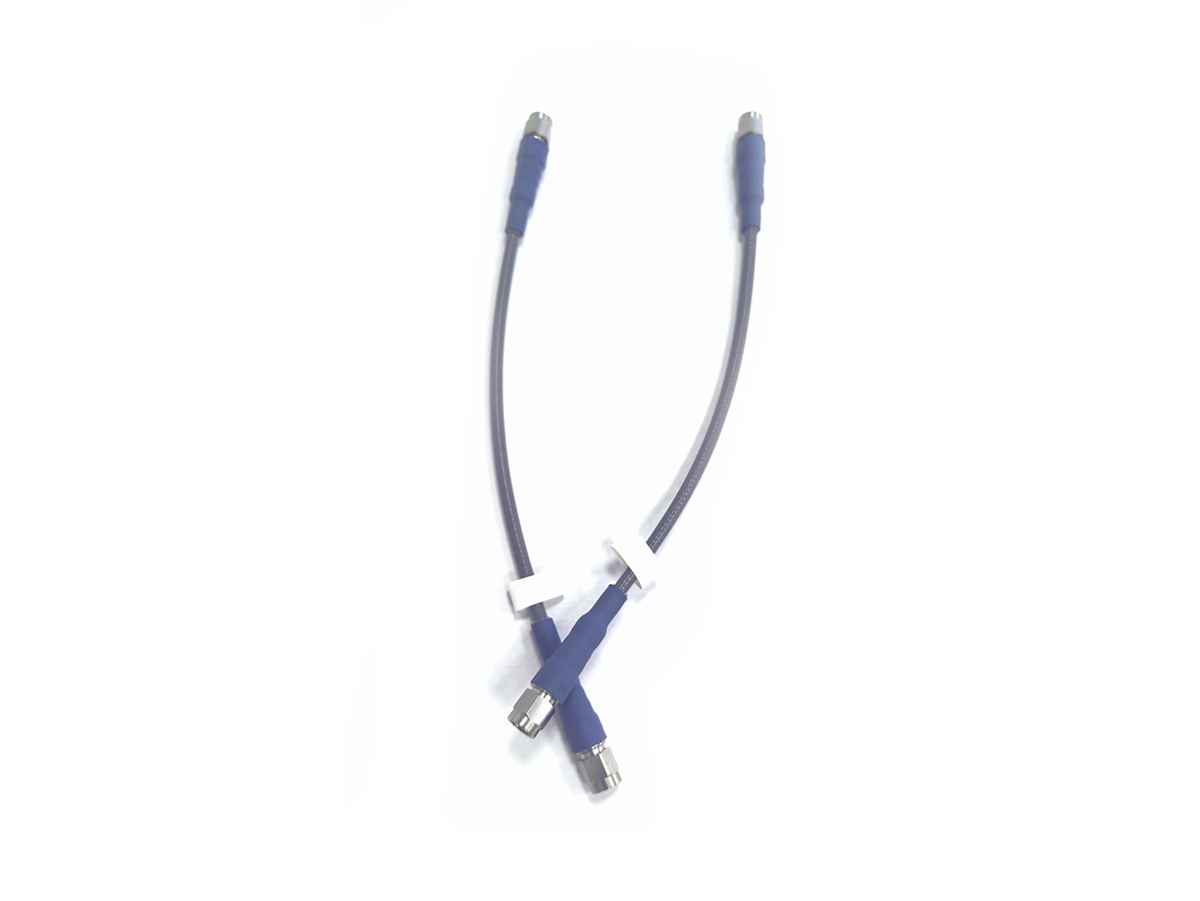
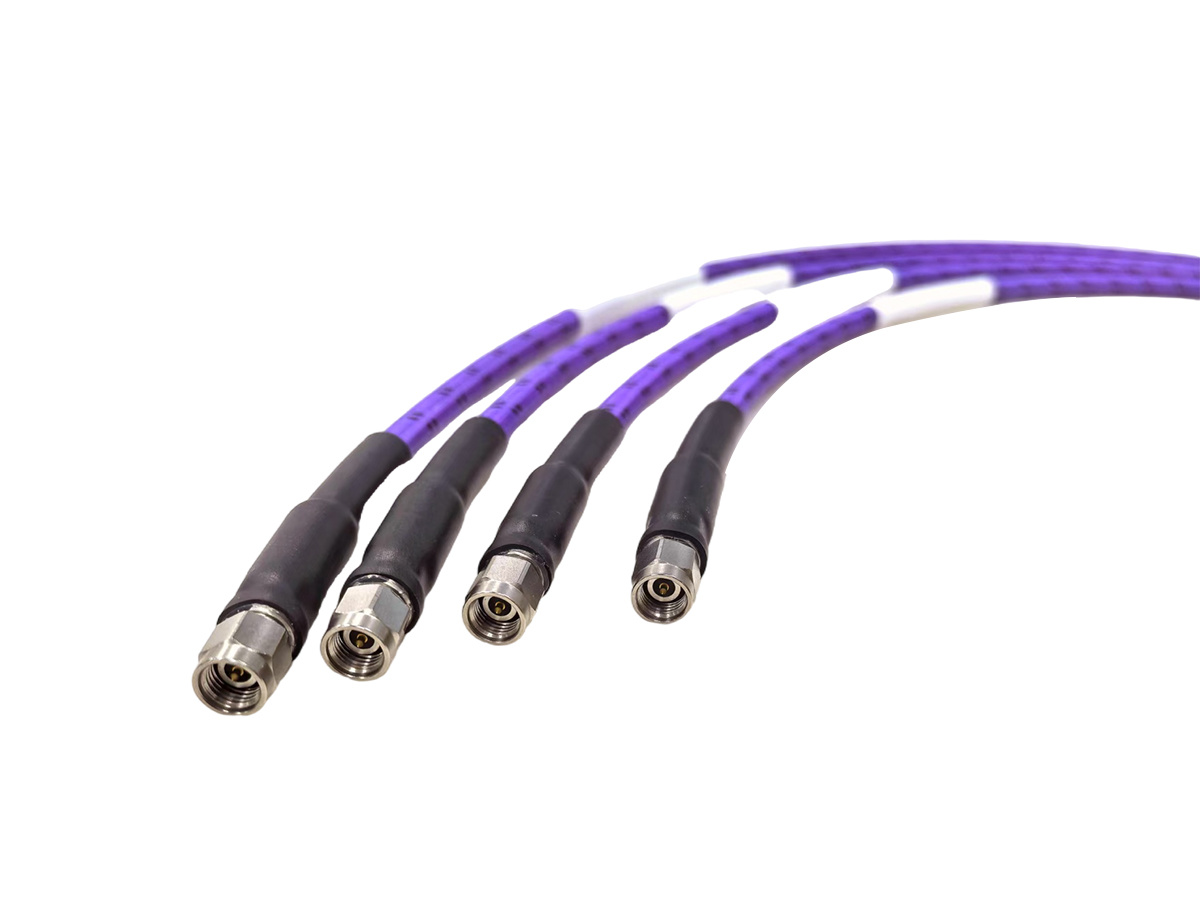
A3: Common connectors for RG316 cables include SMA, BNC, and N connectors, depending on the specific application and requirements.
**Q4: How do I determine the length of RG316 cable needed for my project?**
A4: Measure the distance between the devices you plan to connect, factoring in any bends and routing to ensure proper installation.
**Q5: Are RG316 cables available in custom lengths?**
A5: Yes, RG316 coaxial cables can be ordered in custom lengths and with specific connectors to meet your project needs.
8. Conclusion
Understanding the specifications and applications of RG316 coaxial cable assemblies is crucial for professionals in telecommunications, automotive, and aerospace industries. With their excellent performance characteristics, flexibility, and durability, RG316 cables stand out as a reliable choice for various applications. By adhering to installation best practices and selecting the appropriate connectors, you can ensure optimal performance and longevity for your projects.

Do you have Questions?
Not sure what you're looking for? Unable to find what you need?