

Exploring the Applications of Aerospace High Speed Data Cables
Release Date:2025-08-29


Introduction: The Need for Speed
In today's fast-paced world, speed is of the essence, especially when it comes to data transmission. Enter Aerospace High Speed Data Cables—the unsung heroes of the aerospace industry. These cables are not just wires; they are the lifelines of communication for aircraft, satellites, and related technologies. Let's delve into their fascinating applications and discover why they are a game-changer.
What Are Aerospace High Speed Data Cables?
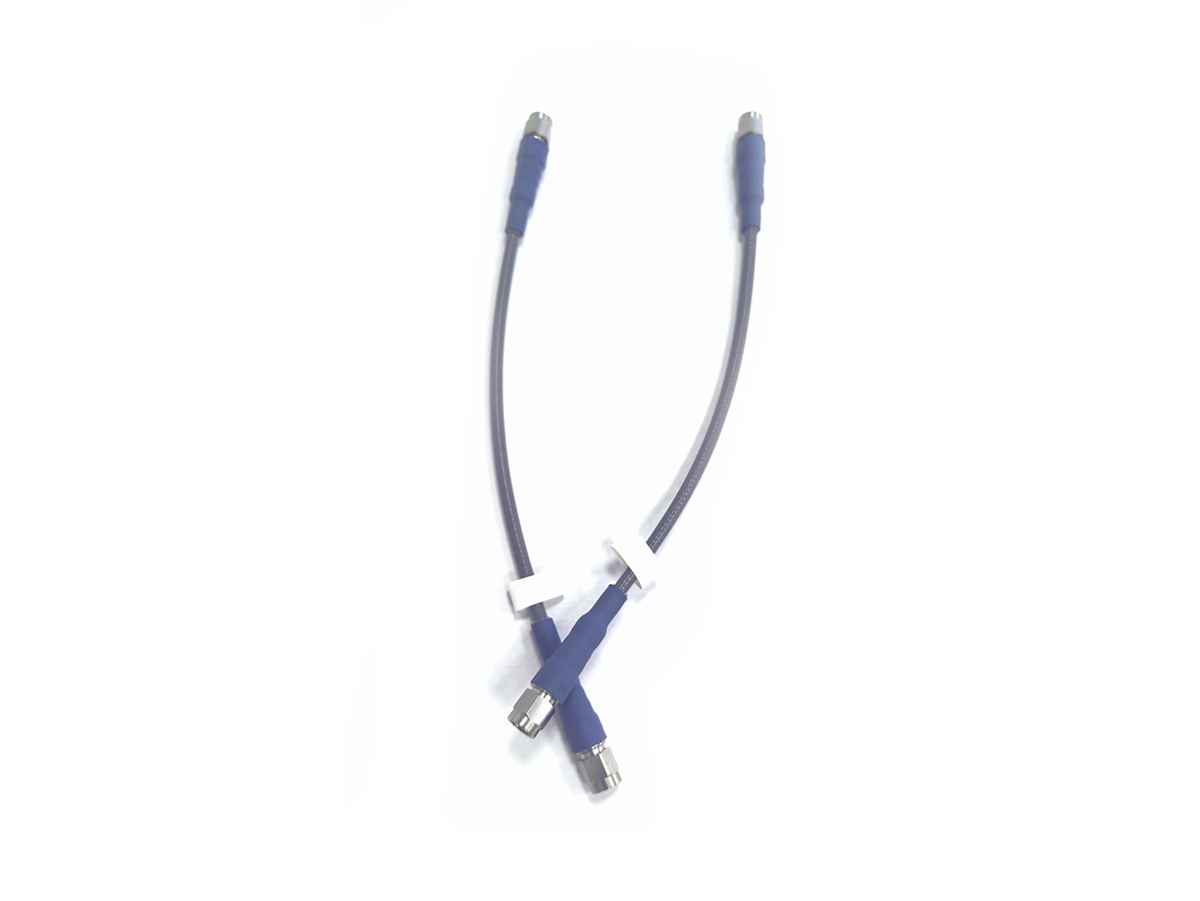
First things first, what exactly are these cables? Aerospace High Speed Data Cables are specially designed to transmit data at incredibly high speeds while maintaining reliability and integrity. They are engineered to withstand extreme conditions, including temperature fluctuations, radiation, and vibration—common adversaries in aerospace environments.
Key Applications: Where They Shine
Now, let's break down the various applications where these cables truly shine:
1. Aircraft Avionics
Did you know that the avionics system in modern aircraft relies heavily on these cables? Yup! They facilitate communication between critical components, ensuring everything from navigation to engine performance runs smoothly. Without these data cables, pilots would be flying blind, and we definitely don't want that!
2. Satellite Communications
In the realm of satellite technology, Aerospace High Speed Data Cables play a pivotal role. They connect various systems within the satellite, allowing for real-time data transmission back to Earth. Imagine the data we receive for weather forecasts or GPS navigation—thanks to these cables!
3. Unmanned Aerial Vehicles (UAVs)
As UAVs continue to soar in popularity—from military drones to commercial delivery systems—high-speed data cables are essential for their operation. These cables enable fast communication between the UAV and its control systems, ensuring that missions are executed efficiently and safely.
The Innovation Behind the Cables
So, what makes these cables tick? Well, the secret lies in their design. Aerospace High Speed Data Cables are often constructed with advanced materials like Teflon or specialized polymers, which offer both flexibility and durability. This means they can bend and twist without compromising performance. Plus, they're often shielded to minimize electromagnetic interference, a must-have for the sensitive equipment they connect!
Future Trends: What Lies Ahead?
As technology continues to evolve, so too will the applications for Aerospace High Speed Data Cables. With the rise of IoT (Internet of Things) and smart technology in aviation, we can expect these cables to become even more integral. Think of a future where aircraft can communicate with each other in real-time to improve safety and efficiency. Exciting, right?
Conclusion: Connecting the Dots
In a nutshell, Aerospace High Speed Data Cables are crucial for the seamless operation of modern aerospace technology. Their ability to transmit data quickly and reliably in challenging environments makes them indispensable. Whether in aircraft, satellites, or UAVs, these cables are the backbone that keeps the aerospace industry soaring. So next time you look up at the sky, remember the vital role these cables play in connecting our world!


Do you have Questions?
Not sure what you're looking for? Unable to find what you need?