

Navigating the Sky: Key Considerations for Aerospace High Speed Data Cables
Release Date:2025-08-28


Introduction
Hey there, tech enthusiasts! If you've ever marveled at the complexities of modern aviation, you're not alone. One of the unsung heroes of aerospace innovation is none other than Aerospace High Speed Data Cables. These cables are the lifelines of data communication in aircraft, ensuring that everything runs smoothly from navigation systems to in-flight entertainment. But hold your horses! Before diving into the vast sky of high-speed data transfer, there are some crucial considerations to keep in mind.
Understanding the Basics
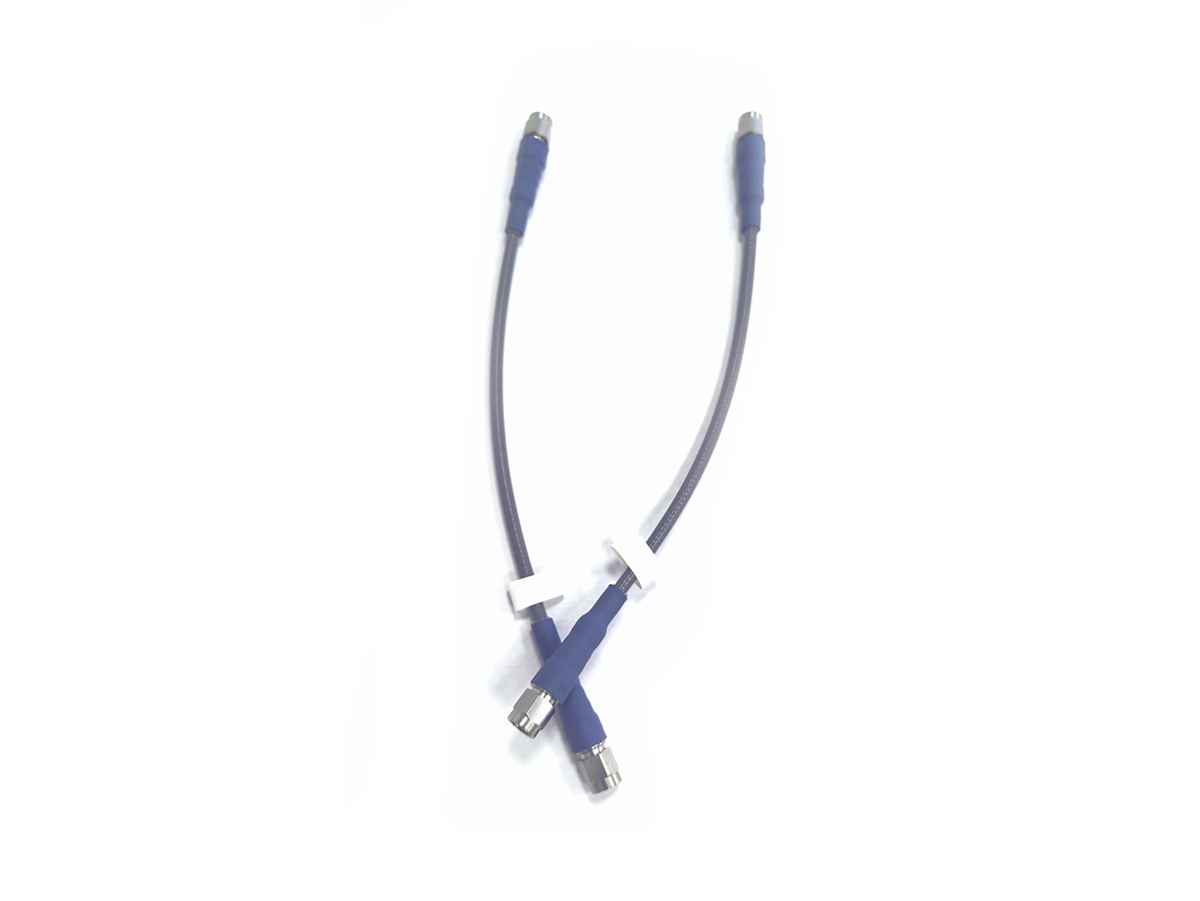
First things first. What exactly are Aerospace High Speed Data Cables? Well, they are specialized cables designed to handle high data transfer rates while withstanding the rigors of aerospace environments. Think about it—these cables must endure extreme temperatures, vibrations, and electromagnetic interference (EMI). You wouldn't want your data to go haywire mid-flight, right?
Material Matters
When it comes to materials, it's a no-brainer that quality should never be compromised. Aerospace High Speed Data Cables often use materials like Teflon or silicone for insulation. These materials not only provide excellent thermal stability but also resist chemical corrosion. So, if you're sourcing these cables, make sure to ask about the materials used. A little due diligence can go a long way!
Weight Considerations
Now, here's a kicker: weight is a significant factor in aerospace applications. The lighter the cable, the better! Airlines are always on the lookout for ways to reduce weight without sacrificing performance. So, if you're in the market for Aerospace High Speed Data Cables, seek out options that promise minimal weight while delivering maximum efficiency. Trust me, every ounce counts up there!
Data Integrity is Key
Data integrity is paramount in aviation. Any hiccup in data transmission can lead to catastrophic consequences. Therefore, using cables with robust shielding and excellent signal integrity is crucial. This is where the intricacies of Aerospace High Speed Data Cables come into play. Ensure that the cables you select have been tested for EMI and crosstalk to guarantee clean and accurate data transmission. No one wants static during a critical moment!
Installation Insights
Alright, let's talk installation. This part is often overlooked but is equally important. Proper installation of Aerospace High Speed Data Cables can make or break their performance. Ensure that bends and twists are kept to a minimum, as excessive manipulation can lead to signal degradation. Also, give some thought to cable routing. You wouldn't want a cable running too close to a heat source, would you?
Regulatory Compliance
Now, don't forget about the red tape! Aerospace is a heavily regulated field. Your choice of Aerospace High Speed Data Cables must comply with various standards like FAA and EASA regulations. It's a good idea to work with reputable suppliers who can provide certification documents. This way, you won't find yourself in a pickle when it comes to compliance checks.
Future-Proofing Your Setup
As technology continues to evolve, so too do the requirements for data transmission in aviation. Opting for Aerospace High Speed Data Cables that can accommodate future upgrades is a smart move. Whether it's a new navigation system or enhanced entertainment options, having cables that can support higher data rates will save you headaches down the line. It's about being prepared for whatever the skies throw at you!
Conclusion
In conclusion, Aerospace High Speed Data Cables are a vital component in the aviation industry, ensuring seamless communication and data integrity. By keeping these considerations in mind—material quality, weight, data integrity, installation practices, regulatory compliance, and future-proofing—you'll be well on your way to making informed decisions about your aerospace data needs. So, buckle up, stay informed, and let's keep those planes flying high!


Do you have Questions?
Not sure what you're looking for? Unable to find what you need?