

Flying High: The Role of Lvds High-Speed Data Cable For Aviation
Release Date:2025-08-21


Introduction to Aviation Connectivity
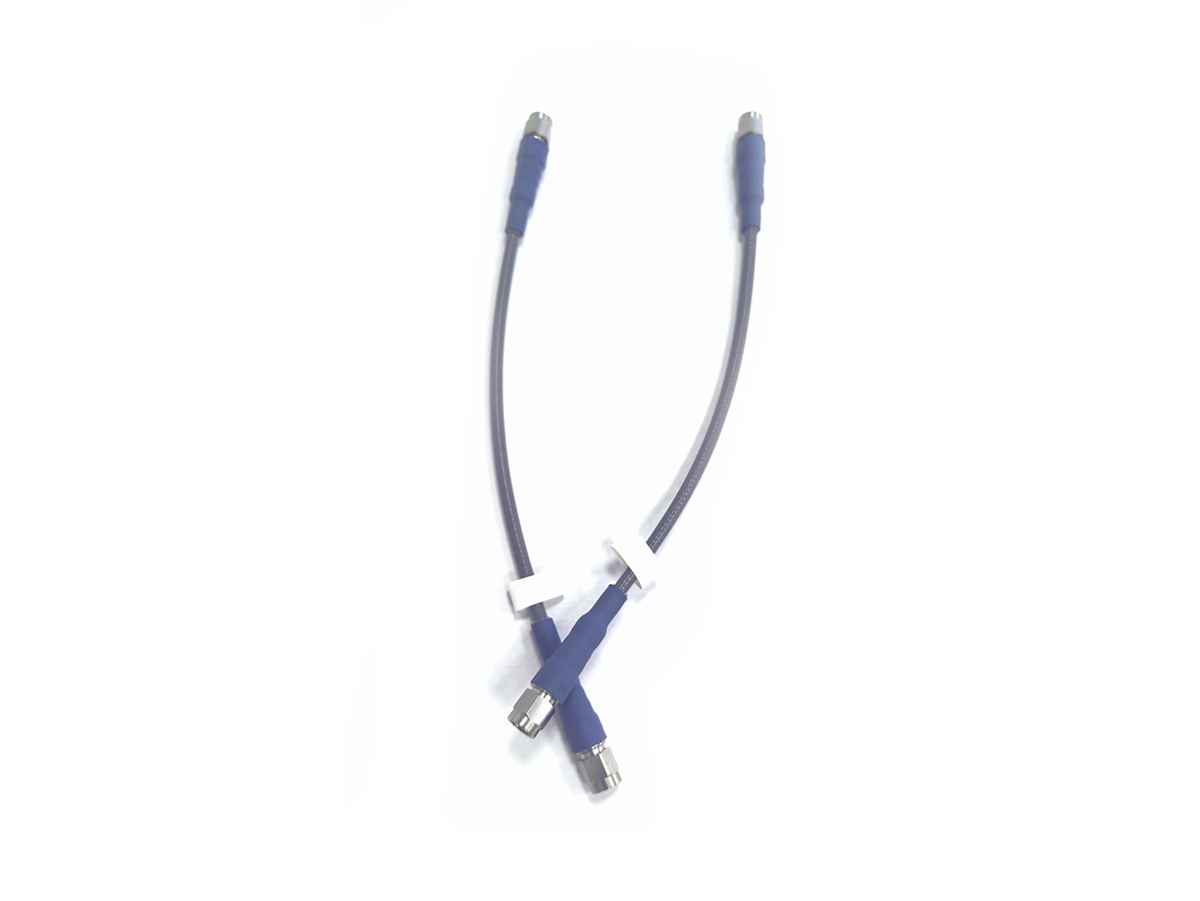
In the fast-paced world of aviation, where every second counts, the need for reliable and efficient data transmission is paramount. Aviation technology has come a long way, and one of the unsung heroes in this evolution is the Lvds High-Speed Data Cable For Aviation. This cable isn't just a wire; it's a lifeline connecting critical systems, ensuring smooth operation and safety in the skies.
What is Lvds Technology?
Low-Voltage Differential Signaling (Lvds) is a technology that allows the transmission of data at high speeds over long distances with minimal power consumption. Think of it as the express lane for data – it gets where it needs to go quickly and efficiently. This technology is particularly essential in aviation, where systems need to communicate flawlessly.
The Importance of High-Speed Data Cables
Why bother with high-speed data cables, you ask? Well, in an industry where split-second decisions can make the difference between a smooth landing and a bumpy ride, speed is everything. Lvds High-Speed Data Cables are designed to handle the massive amount of data generated by aircraft systems, from navigation to in-flight entertainment systems. They ensure that information flows seamlessly, allowing pilots and crew to focus on what matters most – the flight.
Application in Modern Aircraft
These cables are used in a variety of applications within modern aircraft. From cockpit displays and control systems to sensors and communication systems, Lvds cables are at the heart of it all. They help maintain the integrity of data transmission, which is crucial for functions like:
- Flight Control Systems: Ensuring real-time data sharing for safe maneuvering.
- Navigation Systems: Providing accurate positioning data to keep flights on course.
- Passenger Entertainment: Enabling seamless streaming and connectivity for a better flying experience.
Advantages of Using Lvds Cables in Aviation
So, what's the big deal about Lvds High-Speed Data Cable For Aviation? Let's break it down:
- Reduced Weight: Every ounce counts in aviation, and these cables are lightweight, helping reduce overall aircraft weight.
- Less Power Consumption: With lower power requirements, these cables contribute to improved fuel efficiency.
- Improved Signal Integrity: Lvds technology minimizes interference, ensuring clear and reliable data transmission.
- Durability: Designed to withstand the harsh conditions of aviation environments, these cables are built to last.
Future of Aviation with Lvds Technology
The future looks bright for Lvds High-Speed Data Cable For Aviation. As the industry moves towards more advanced systems, including autonomous flight and smart aircraft, the demand for high-speed, reliable data transmission will only grow. With innovations like 5G and beyond, Lvds technology is poised to adapt and thrive, paving the way for safer, more efficient air travel.
Conclusion
In summary, Lvds High-Speed Data Cable For Aviation is not just a technical marvel; it's a crucial component that underpins modern aviation. As technology continues to evolve, these cables will remain at the forefront, driving the industry toward greater heights. Whether you're a pilot, an engineer, or just an aviation enthusiast, understanding the role of these cables helps appreciate the incredible technology that keeps us flying high.


Do you have Questions?
Not sure what you're looking for? Unable to find what you need?