

Understanding the Functionality of Lvds High-Speed Data Cable for Aviation
Release Date:2025-08-21


Unpacking the Lvds High-Speed Data Cable for Aviation
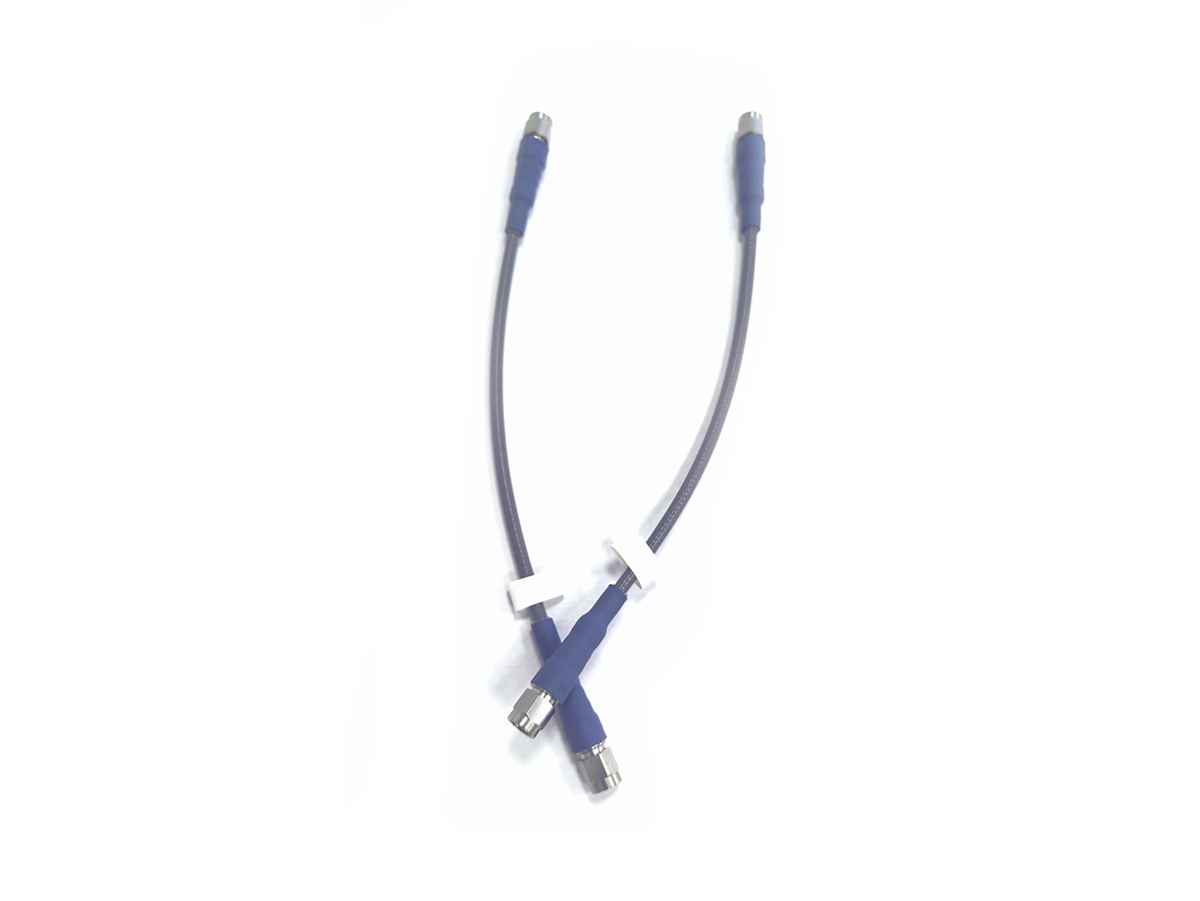
When we think of aviation, we often picture soaring aircraft and majestic views from above. However, beneath the surface, countless technologies work tirelessly to ensure safety and efficiency. One of these unsung heroes is the Lvds High-Speed Data Cable for Aviation, a crucial component that plays a significant role in modern aircraft systems.
What is Lvds Technology?
Alright, let's break it down! LVDS stands for Low-Voltage Differential Signaling. Now, you might be wondering what that means in plain English. Simply put, it's a way of transmitting data at high speeds over a cable while using very little electricity. This is particularly important in aviation, where every ounce of weight counts, and reliability is paramount.
How Does the Lvds High-Speed Data Cable Work?
Imagine you're at a party, trying to have a conversation in a noisy room. You'd likely lean in closer to hear better, right? That's kind of what the Lvds cables do. Instead of sending data as a single signal, they transmit two complementary signals. This approach reduces noise and interference, allowing for clearer and faster communication. It's like having a secret language that only your friends can understand, even in the midst of chaos!
Key Benefits of Lvds in Aviation
- Speed: These cables can transfer data at lightning speed, making them ideal for real-time applications in aircraft systems.
- Efficiency: They consume less power, which is a big deal for aircraft looking to optimize fuel usage.
- Interference Resistance: The differential signaling helps reduce the chances of data corruption, ensuring that critical information remains intact.
Real-World Applications in Aviation
So where exactly do we find these nifty cables in action? Well, they're all over the place! From cockpit displays to sensor networks, Lvds High-Speed Data Cables for Aviation are essential for the functioning of various systems. For instance, consider the advanced avionics that pilots rely on. These systems require constant data updates to function correctly, and guess what? Lvds cables are the backbone of this communication.
The Future of Lvds Technology
As the aviation industry continues to evolve, so does the technology that supports it. Innovations such as enhanced data rates and improved materials are being developed to make Lvds High-Speed Data Cables even better. With the rise of electric and hybrid aircraft, the demand for lightweight, efficient, and reliable data transmission methods is only going to increase. The future looks bright for these cables!
Conclusion: The Unsung Heroes of Aviation
Next time you board a plane and marvel at the technology around you, take a moment to appreciate the Lvds High-Speed Data Cable for Aviation. These cables may not be the stars of the show, but they certainly hold the spotlight behind the scenes, ensuring that everything runs smoothly. In the fast-paced world of aviation, every detail matters, and these cables are a testament to the intricate web of technology that keeps us flying safely.
So, there you have it! The lowdown on how Lvds technology plays a vital role in the aviation industry. Who knew cables could be so exciting?


Do you have Questions?
Not sure what you're looking for? Unable to find what you need?