

The Essential Guide to RG Coaxial Cables: Understanding Their Applications and Benefits
Release Date:2025-08-06


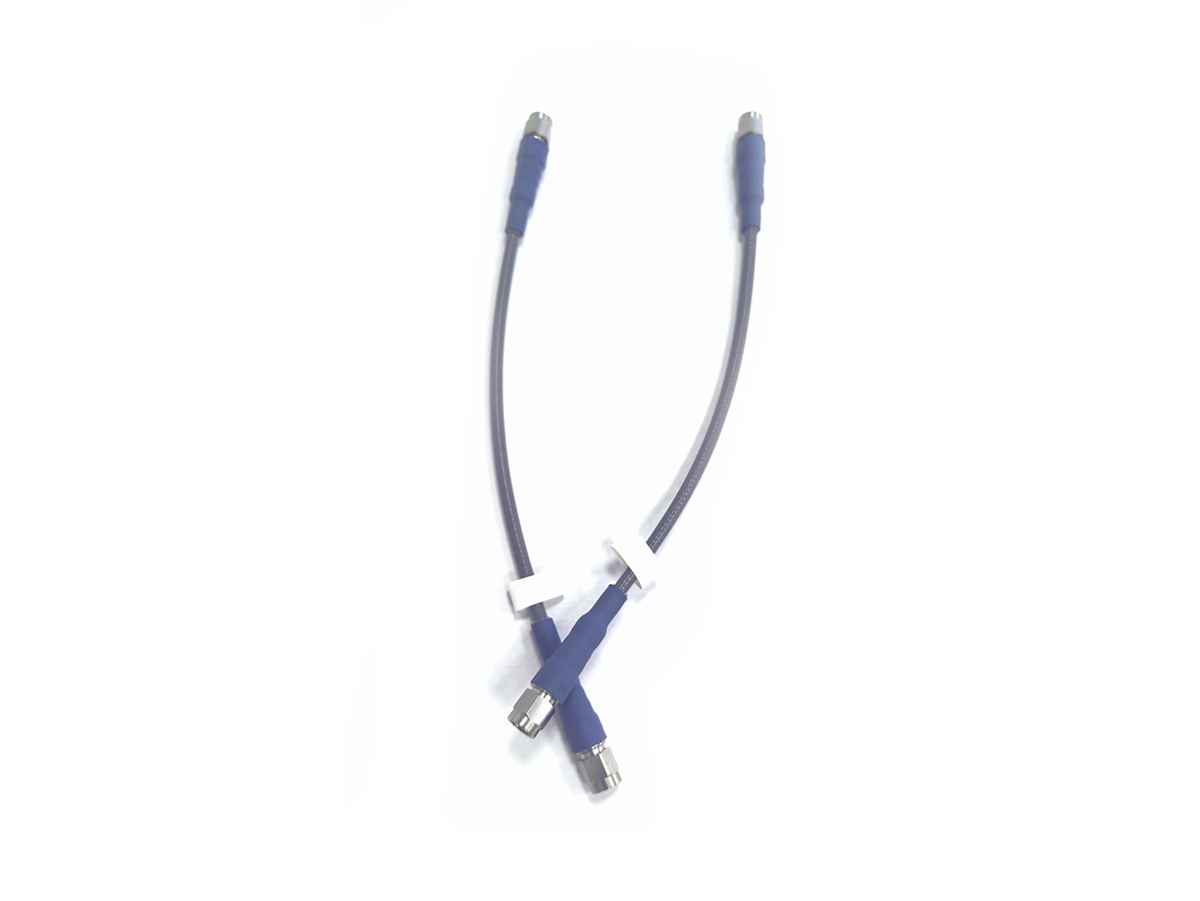
RG coaxial cables are widely recognized for their versatility and reliability in transmitting high-frequency signals. These cables consist of an inner conductor, an insulating layer, a metallic shield, and an outer jacket. The design is engineered to minimize signal loss and protect against external interference, making RG coaxial cables ideal for applications ranging from television and internet connections to telecommunications and video surveillance.
One of the primary advantages of RG coaxial cables is their ability to carry signals over long distances without significant degradation. This is particularly beneficial in settings where signal integrity is crucial, such as in broadcasting and data transmission. The construction of RG coaxial cables ensures that electromagnetic interference (EMI) and radio frequency interference (RFI) are effectively shielded, allowing for clear and stable communication.
When selecting an RG coaxial cable, it is essential to consider the specific type and its intended use. For instance, RG-6 is commonly used for satellite and cable television connections due to its low signal loss characteristics. In contrast, RG-59 is often employed in lower-frequency applications, such as analog video connections. Understanding the differences between these types can help you make an informed decision based on the requirements of your project.
Installation of RG coaxial cables also plays a crucial role in their performance. Proper termination and grounding are vital to maintain signal quality and prevent interference. Ensuring that connectors are securely fastened and that the cable is routed away from potential sources of EMI will enhance the overall effectiveness of the installation.
Moreover, RG coaxial cables are not just limited to residential and commercial applications; they are also extensively used in industrial environments. Whether it's for video surveillance systems, data transfer in networks, or connecting antennas, RG coaxial cables provide a robust solution that can withstand harsh conditions while delivering reliable performance.
In conclusion, RG coaxial cables are a critical component in modern communication systems, offering numerous benefits including durability, minimal signal loss, and resistance to interference. By understanding the various types, applications, and best practices for installation, you can ensure that you are using the right coaxial cable for your specific needs. Whether you are a professional in the electrical and electronic field or simply looking to improve your home setup, knowledge of RG coaxial cables will serve you well in optimizing your signal transmission capabilities.
One of the primary advantages of RG coaxial cables is their ability to carry signals over long distances without significant degradation. This is particularly beneficial in settings where signal integrity is crucial, such as in broadcasting and data transmission. The construction of RG coaxial cables ensures that electromagnetic interference (EMI) and radio frequency interference (RFI) are effectively shielded, allowing for clear and stable communication.
When selecting an RG coaxial cable, it is essential to consider the specific type and its intended use. For instance, RG-6 is commonly used for satellite and cable television connections due to its low signal loss characteristics. In contrast, RG-59 is often employed in lower-frequency applications, such as analog video connections. Understanding the differences between these types can help you make an informed decision based on the requirements of your project.
Installation of RG coaxial cables also plays a crucial role in their performance. Proper termination and grounding are vital to maintain signal quality and prevent interference. Ensuring that connectors are securely fastened and that the cable is routed away from potential sources of EMI will enhance the overall effectiveness of the installation.
Moreover, RG coaxial cables are not just limited to residential and commercial applications; they are also extensively used in industrial environments. Whether it's for video surveillance systems, data transfer in networks, or connecting antennas, RG coaxial cables provide a robust solution that can withstand harsh conditions while delivering reliable performance.
In conclusion, RG coaxial cables are a critical component in modern communication systems, offering numerous benefits including durability, minimal signal loss, and resistance to interference. By understanding the various types, applications, and best practices for installation, you can ensure that you are using the right coaxial cable for your specific needs. Whether you are a professional in the electrical and electronic field or simply looking to improve your home setup, knowledge of RG coaxial cables will serve you well in optimizing your signal transmission capabilities.


Do you have Questions?
Not sure what you're looking for? Unable to find what you need?