

Understanding Precision Differential Pair Cables: Essential Insights for Electrical Professionals
Release Date:2025-08-07


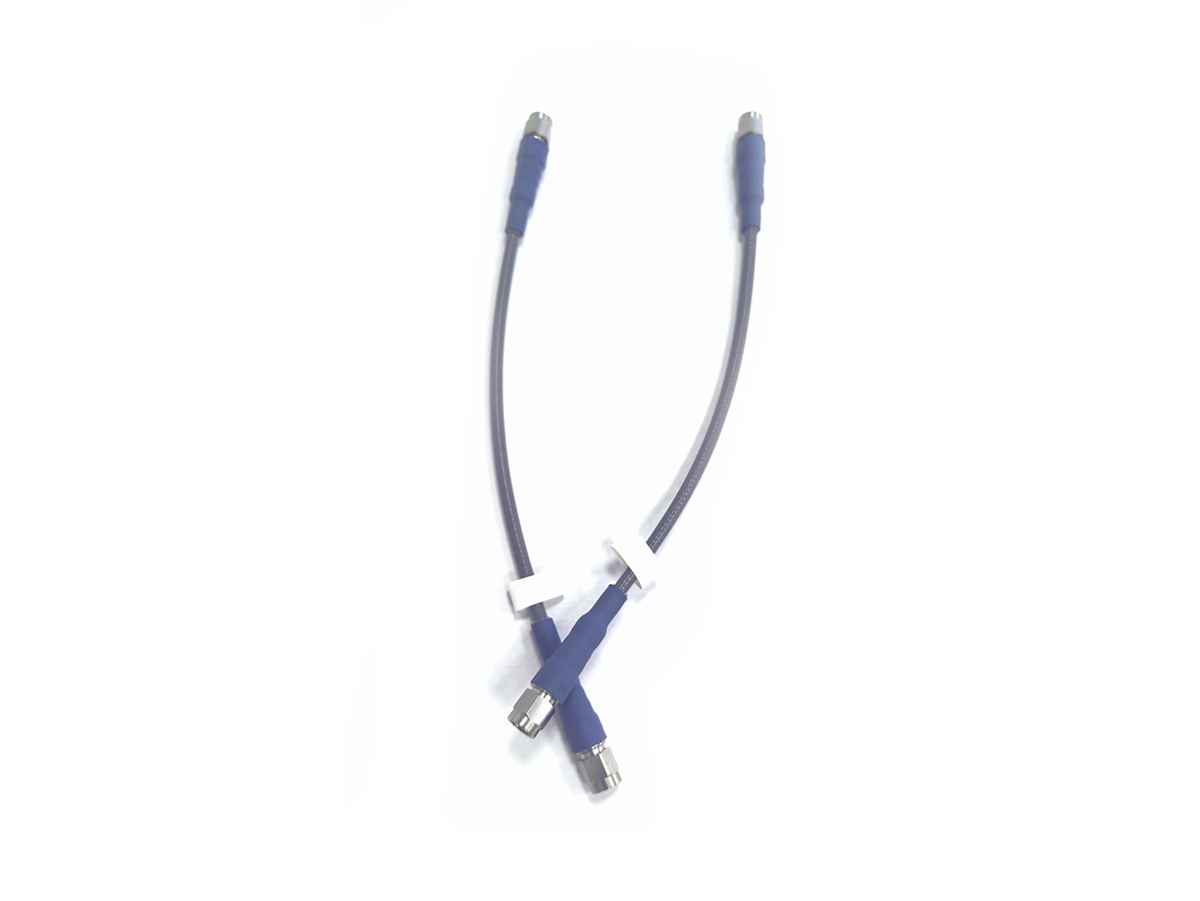
Precision differential pair cables are an essential component in today's high-performance electrical and telecommunications systems. These cables are designed to transmit signals with minimal interference and noise, making them ideal for applications requiring high fidelity and reliability. By understanding the characteristics and advantages of precision differential pair cables, professionals in the electrical field can make informed decisions regarding their use in various applications.
At their core, precision differential pair cables consist of two conductors that carry equal and opposite signals. This design helps to cancel out electromagnetic interference (EMI) and provides immunity to external noise, which is particularly important in environments where devices operate closely together. This differential signaling approach ensures that the integrity of data transmission is maintained, making these cables particularly valuable in high-speed data applications such as computer networking and telecommunications.
One of the main advantages of using precision differential pair cables is their effectiveness in maintaining signal integrity over longer distances. Unlike single-ended cables, which are more susceptible to noise and attenuation, differential pair cables provide a cleaner and more stable signal. This characteristic is crucial for applications that demand high data rates, such as video transmission, audio applications, and data centers.
When selecting precision differential pair cables, several factors should be considered, including the cable's impedance, capacitance, and the material used in its construction. The choice of materials can significantly influence the performance characteristics. For instance, cables made from high-quality copper or specialized alloys can enhance signal transmission and reduce losses.
Moreover, it's essential to pay attention to the cable's shielding. Proper shielding techniques can further reduce interference and improve overall performance. Options like foil shielding or braided shielding can help protect the integrity of the signal, particularly in industrial environments where electromagnetic interference is prevalent.
In conclusion, precision differential pair cables are a critical element in modern electrical and telecommunications systems. Their ability to deliver high-performance signal transmission while minimizing noise and interference makes them indispensable for various applications. By understanding the principles behind these cables and their appropriate use, professionals in the electrical industry can enhance the reliability and efficiency of their systems, ultimately leading to improved performance and customer satisfaction. Whether for networking, audio systems, or complex data transmission setups, precision differential pair cables continue to play a pivotal role in advancing technology and communication systems.
At their core, precision differential pair cables consist of two conductors that carry equal and opposite signals. This design helps to cancel out electromagnetic interference (EMI) and provides immunity to external noise, which is particularly important in environments where devices operate closely together. This differential signaling approach ensures that the integrity of data transmission is maintained, making these cables particularly valuable in high-speed data applications such as computer networking and telecommunications.
One of the main advantages of using precision differential pair cables is their effectiveness in maintaining signal integrity over longer distances. Unlike single-ended cables, which are more susceptible to noise and attenuation, differential pair cables provide a cleaner and more stable signal. This characteristic is crucial for applications that demand high data rates, such as video transmission, audio applications, and data centers.
When selecting precision differential pair cables, several factors should be considered, including the cable's impedance, capacitance, and the material used in its construction. The choice of materials can significantly influence the performance characteristics. For instance, cables made from high-quality copper or specialized alloys can enhance signal transmission and reduce losses.
Moreover, it's essential to pay attention to the cable's shielding. Proper shielding techniques can further reduce interference and improve overall performance. Options like foil shielding or braided shielding can help protect the integrity of the signal, particularly in industrial environments where electromagnetic interference is prevalent.
In conclusion, precision differential pair cables are a critical element in modern electrical and telecommunications systems. Their ability to deliver high-performance signal transmission while minimizing noise and interference makes them indispensable for various applications. By understanding the principles behind these cables and their appropriate use, professionals in the electrical industry can enhance the reliability and efficiency of their systems, ultimately leading to improved performance and customer satisfaction. Whether for networking, audio systems, or complex data transmission setups, precision differential pair cables continue to play a pivotal role in advancing technology and communication systems.


Do you have Questions?
Not sure what you're looking for? Unable to find what you need?