

The Importance of Phase Stable Coaxial Cables in Modern Electrical Applications
Release Date:2025-07-31


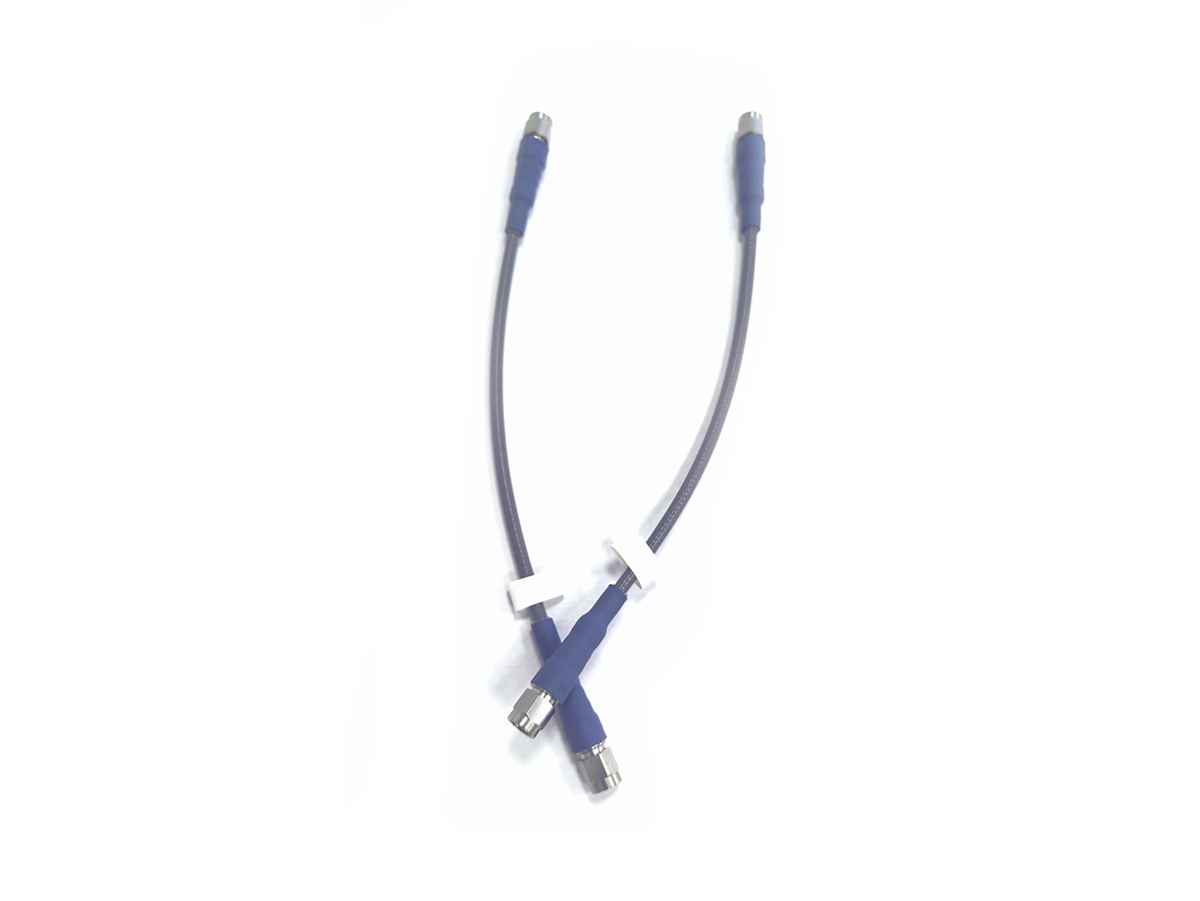
Phase stable coaxial cables represent a significant advancement in the realm of electrical and telecommunications engineering, especially in applications requiring high-frequency signal transmission. The core function of these cables is to maintain a consistent phase relationship between signals, which is critical for the accurate transmission of data. This is particularly important in applications such as radio frequency (RF) technology, video broadcasting, and communication systems, where signal integrity directly impacts performance.
At the heart of phase stable coaxial cables is their unique construction. These cables typically feature a solid dielectric material that provides excellent insulation and minimizes signal loss. The design ensures that the cable maintains its characteristic impedance over a wide range of temperatures and mechanical stressors. What makes phase stable coaxial cables particularly noteworthy is their ability to resist changes in phase due to temperature variations or mechanical bending. This stability allows for reliable performance in dynamic environments where traditional cables may fail.
One of the primary benefits of using phase stable coaxial cables is their superior performance in high-frequency applications. As signal frequency increases, the risk of phase distortion also rises. Phase stable coaxial cables mitigate this risk, ensuring that the signals remain synchronized and coherent. This capability is essential for applications such as phased array radar, where precise timing between multiple signal paths is required to generate accurate imaging and tracking data.
In addition to their electrical performance, phase stable coaxial cables are designed with durability in mind. Many are built to withstand harsh environmental conditions, including exposure to moisture, chemicals, and extreme temperatures. This robustness ensures that they can be deployed in a variety of settings, from outdoor telecommunication installations to high-performance laboratory environments.
Furthermore, the use of phase stable coaxial cables can lead to reduced maintenance costs. Since these cables are less prone to failure and offer consistent performance, they minimize the need for frequent replacements or repairs, ultimately saving time and resources for users.
In conclusion, phase stable coaxial cables are an essential component in the toolbox of electrical and telecommunications professionals. Their ability to maintain signal integrity in high-frequency applications makes them ideal for modern communication systems. By understanding their unique characteristics and advantages, professionals can make informed decisions about the right cable solutions for their specific needs. Whether you are designing a new communication system or upgrading an existing one, incorporating phase stable coaxial cables can significantly enhance performance and reliability.
At the heart of phase stable coaxial cables is their unique construction. These cables typically feature a solid dielectric material that provides excellent insulation and minimizes signal loss. The design ensures that the cable maintains its characteristic impedance over a wide range of temperatures and mechanical stressors. What makes phase stable coaxial cables particularly noteworthy is their ability to resist changes in phase due to temperature variations or mechanical bending. This stability allows for reliable performance in dynamic environments where traditional cables may fail.
One of the primary benefits of using phase stable coaxial cables is their superior performance in high-frequency applications. As signal frequency increases, the risk of phase distortion also rises. Phase stable coaxial cables mitigate this risk, ensuring that the signals remain synchronized and coherent. This capability is essential for applications such as phased array radar, where precise timing between multiple signal paths is required to generate accurate imaging and tracking data.
In addition to their electrical performance, phase stable coaxial cables are designed with durability in mind. Many are built to withstand harsh environmental conditions, including exposure to moisture, chemicals, and extreme temperatures. This robustness ensures that they can be deployed in a variety of settings, from outdoor telecommunication installations to high-performance laboratory environments.
Furthermore, the use of phase stable coaxial cables can lead to reduced maintenance costs. Since these cables are less prone to failure and offer consistent performance, they minimize the need for frequent replacements or repairs, ultimately saving time and resources for users.
In conclusion, phase stable coaxial cables are an essential component in the toolbox of electrical and telecommunications professionals. Their ability to maintain signal integrity in high-frequency applications makes them ideal for modern communication systems. By understanding their unique characteristics and advantages, professionals can make informed decisions about the right cable solutions for their specific needs. Whether you are designing a new communication system or upgrading an existing one, incorporating phase stable coaxial cables can significantly enhance performance and reliability.


Do you have Questions?
Not sure what you're looking for? Unable to find what you need?