

Understanding Impedance Controlled Cables: Key Insights for Professionals
Release Date:2025-07-31


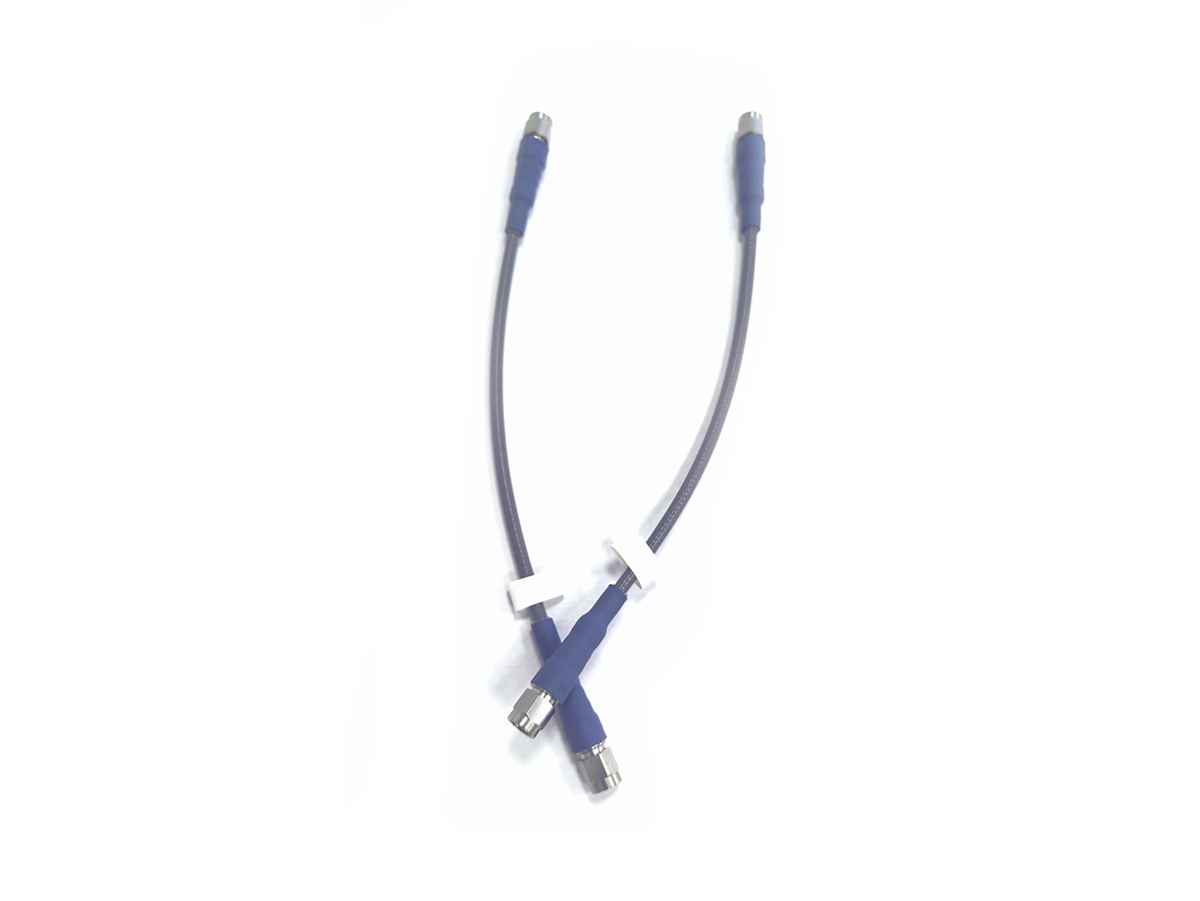
In the realm of electrical engineering, the importance of impedance controlled cables cannot be overstated. These specialized cables are designed to maintain a consistent impedance along their length, minimizing signal reflection and distortion, which is crucial in high-frequency applications. This article aims to provide professionals with a comprehensive understanding of impedance controlled cables, focusing on their characteristics, applications, and selection criteria.
Impedance is defined as the resistance that an electrical circuit offers to the flow of alternating current (AC) and is expressed in ohms. In many electrical applications, especially those involving high-speed data transmission, managing this impedance is vital. When a signal travels through a cable, any inconsistencies in impedance can lead to reflections, which degrade signal quality and can cause data loss. This is where impedance controlled cables come into play.
These cables feature a carefully designed structure that ensures a uniform impedance throughout. This is typically achieved through the use of specific materials, layering techniques, and geometrical configurations. For instance, coaxial cables and twisted pair cables are common types of impedance controlled cables, each serving distinct needs based on their construction and application. Coaxial cables, with their central conductor insulated and surrounded by a conductive shield, are particularly effective in applications requiring high-frequency signal transmission, such as video services and radio communication.
Twisted pair cables, on the other hand, consist of pairs of insulated wires twisted together, which helps to reduce electromagnetic interference. These cables are widely used in networking and telecommunications, making them essential for modern communication infrastructure. Understanding the specific requirements of your application can help you select the right type of impedance controlled cable to achieve optimal performance.
When choosing impedance controlled cables, several factors should be considered. Firstly, the required impedance level must align with the specifications of the devices they connect. Common impedance standards include 50 ohms and 75 ohms, which are typically used in different applications, such as radio frequency and video transmission, respectively. Additionally, the cable’s length, environment, and installation conditions should be reviewed to ensure that the cable meets performance requirements while remaining cost-effective.
In conclusion, impedance controlled cables play a critical role in maintaining signal integrity in various electrical applications. By understanding their design, function, and the factors influencing their performance, professionals can make informed decisions when selecting the appropriate cables for their projects. Whether for telecommunications, broadcasting, or data transmission, utilizing the right impedance controlled cable is key to achieving reliable and high-quality results.
Impedance is defined as the resistance that an electrical circuit offers to the flow of alternating current (AC) and is expressed in ohms. In many electrical applications, especially those involving high-speed data transmission, managing this impedance is vital. When a signal travels through a cable, any inconsistencies in impedance can lead to reflections, which degrade signal quality and can cause data loss. This is where impedance controlled cables come into play.
These cables feature a carefully designed structure that ensures a uniform impedance throughout. This is typically achieved through the use of specific materials, layering techniques, and geometrical configurations. For instance, coaxial cables and twisted pair cables are common types of impedance controlled cables, each serving distinct needs based on their construction and application. Coaxial cables, with their central conductor insulated and surrounded by a conductive shield, are particularly effective in applications requiring high-frequency signal transmission, such as video services and radio communication.
Twisted pair cables, on the other hand, consist of pairs of insulated wires twisted together, which helps to reduce electromagnetic interference. These cables are widely used in networking and telecommunications, making them essential for modern communication infrastructure. Understanding the specific requirements of your application can help you select the right type of impedance controlled cable to achieve optimal performance.
When choosing impedance controlled cables, several factors should be considered. Firstly, the required impedance level must align with the specifications of the devices they connect. Common impedance standards include 50 ohms and 75 ohms, which are typically used in different applications, such as radio frequency and video transmission, respectively. Additionally, the cable’s length, environment, and installation conditions should be reviewed to ensure that the cable meets performance requirements while remaining cost-effective.
In conclusion, impedance controlled cables play a critical role in maintaining signal integrity in various electrical applications. By understanding their design, function, and the factors influencing their performance, professionals can make informed decisions when selecting the appropriate cables for their projects. Whether for telecommunications, broadcasting, or data transmission, utilizing the right impedance controlled cable is key to achieving reliable and high-quality results.


Do you have Questions?
Not sure what you're looking for? Unable to find what you need?