

Understanding Microwave Coaxial Cables: A Comprehensive Guide
Release Date:2025-07-31


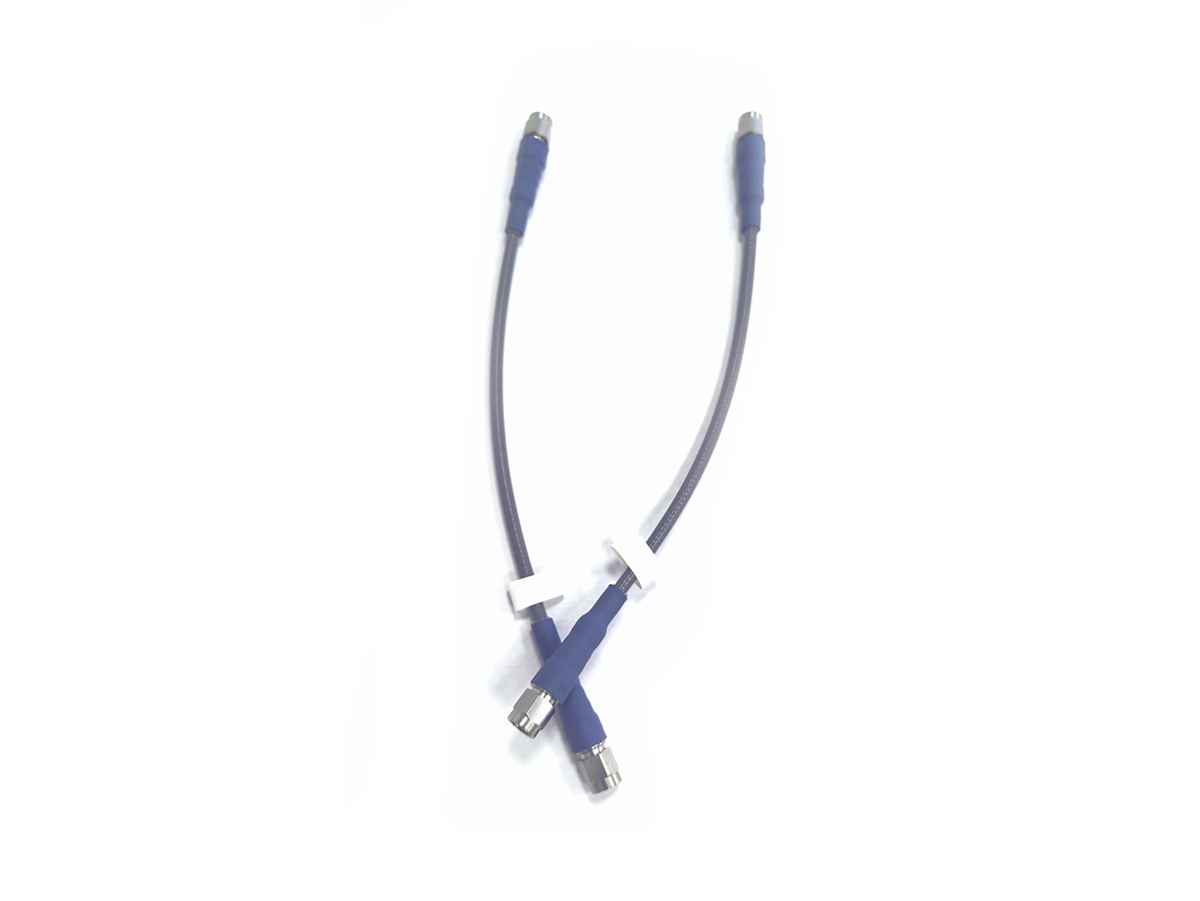
Microwave coaxial cables are specialized transmission lines designed to carry high-frequency electromagnetic signals, typically in the microwave spectrum (1 GHz to 100 GHz). These cables are crucial in various applications, including telecommunications, satellite communications, radar systems, and medical imaging. Understanding the structure and functionality of microwave coaxial cables can significantly enhance the efficiency of signal transmission in professional settings.
The core design of a microwave coaxial cable consists of a central conductor, an insulating dielectric layer, and an outer conductor, which acts as a shield. The central conductor is typically made from copper or aluminum, providing excellent conductivity for transmitting high-frequency signals. The dielectric insulator, often made from materials like polyethylene, Teflon, or foam, maintains the signal’s integrity by minimizing signal loss and maintaining a consistent impedance throughout the cable. The outer conductor, often a metal braid or foil, protects the inner components from external electromagnetic interference, crucial for maintaining signal quality in microwave applications.
One of the key features of microwave coaxial cables is their characteristic impedance, usually either 50 ohms or 75 ohms. The choice of impedance depends on the specific application; for example, 50-ohm cables are commonly used in radio frequency (RF) applications, while 75-ohm cables are preferred in video and television signal transmission. Ensuring the correct impedance is critical for minimizing reflections and maximizing power transfer in any microwave system.
Moreover, microwave coaxial cables are designed to handle high power levels and frequency ranges effectively. The materials used in their construction are engineered to withstand the thermal and mechanical stresses associated with high-frequency applications. This durability is essential in environments where cables may be subject to vibrations, temperature changes, and other challenging conditions.
Another significant aspect of microwave coaxial cables is their loss characteristics. At microwave frequencies, signal loss can become a critical factor, as even a small amount of loss can lead to significant degradation of signal quality. High-quality microwave coaxial cables are designed to minimize both attenuation (signal loss per unit length) and dispersion (spreading of the signal over time), enabling clearer and more reliable signal transmission.
In conclusion, microwave coaxial cables play a pivotal role in modern communication systems, ensuring the efficient transmission of high-frequency signals. Professionals working in the telecommunications and electronics fields should consider the specific construction, impedance, and loss characteristics of these cables when selecting the right component for their applications. By understanding the fundamentals of microwave coaxial cables, you can enhance the performance of your systems and contribute to the overall reliability of your communication infrastructure.
The core design of a microwave coaxial cable consists of a central conductor, an insulating dielectric layer, and an outer conductor, which acts as a shield. The central conductor is typically made from copper or aluminum, providing excellent conductivity for transmitting high-frequency signals. The dielectric insulator, often made from materials like polyethylene, Teflon, or foam, maintains the signal’s integrity by minimizing signal loss and maintaining a consistent impedance throughout the cable. The outer conductor, often a metal braid or foil, protects the inner components from external electromagnetic interference, crucial for maintaining signal quality in microwave applications.
One of the key features of microwave coaxial cables is their characteristic impedance, usually either 50 ohms or 75 ohms. The choice of impedance depends on the specific application; for example, 50-ohm cables are commonly used in radio frequency (RF) applications, while 75-ohm cables are preferred in video and television signal transmission. Ensuring the correct impedance is critical for minimizing reflections and maximizing power transfer in any microwave system.
Moreover, microwave coaxial cables are designed to handle high power levels and frequency ranges effectively. The materials used in their construction are engineered to withstand the thermal and mechanical stresses associated with high-frequency applications. This durability is essential in environments where cables may be subject to vibrations, temperature changes, and other challenging conditions.
Another significant aspect of microwave coaxial cables is their loss characteristics. At microwave frequencies, signal loss can become a critical factor, as even a small amount of loss can lead to significant degradation of signal quality. High-quality microwave coaxial cables are designed to minimize both attenuation (signal loss per unit length) and dispersion (spreading of the signal over time), enabling clearer and more reliable signal transmission.
In conclusion, microwave coaxial cables play a pivotal role in modern communication systems, ensuring the efficient transmission of high-frequency signals. Professionals working in the telecommunications and electronics fields should consider the specific construction, impedance, and loss characteristics of these cables when selecting the right component for their applications. By understanding the fundamentals of microwave coaxial cables, you can enhance the performance of your systems and contribute to the overall reliability of your communication infrastructure.


Do you have Questions?
Not sure what you're looking for? Unable to find what you need?