

Understanding the Benefits of RG316 Coaxial Cable Assembly: A Comprehensive Guide
Release Date:2025-09-10


Understanding the Benefits of RG316 Coaxial Cable Assembly
Table of Contents
- Introduction to RG316 Coaxial Cable
- What is RG316 Coaxial Cable?
- Key Benefits of RG316 Coaxial Cable Assembly
- Applications of RG316 Coaxial Cable Assembly
- Comparison with Other Coaxial Cables
- Installation Tips for RG316 Coaxial Cable
- Common Issues and Troubleshooting
- Frequently Asked Questions
- Conclusion
Introduction to RG316 Coaxial Cable
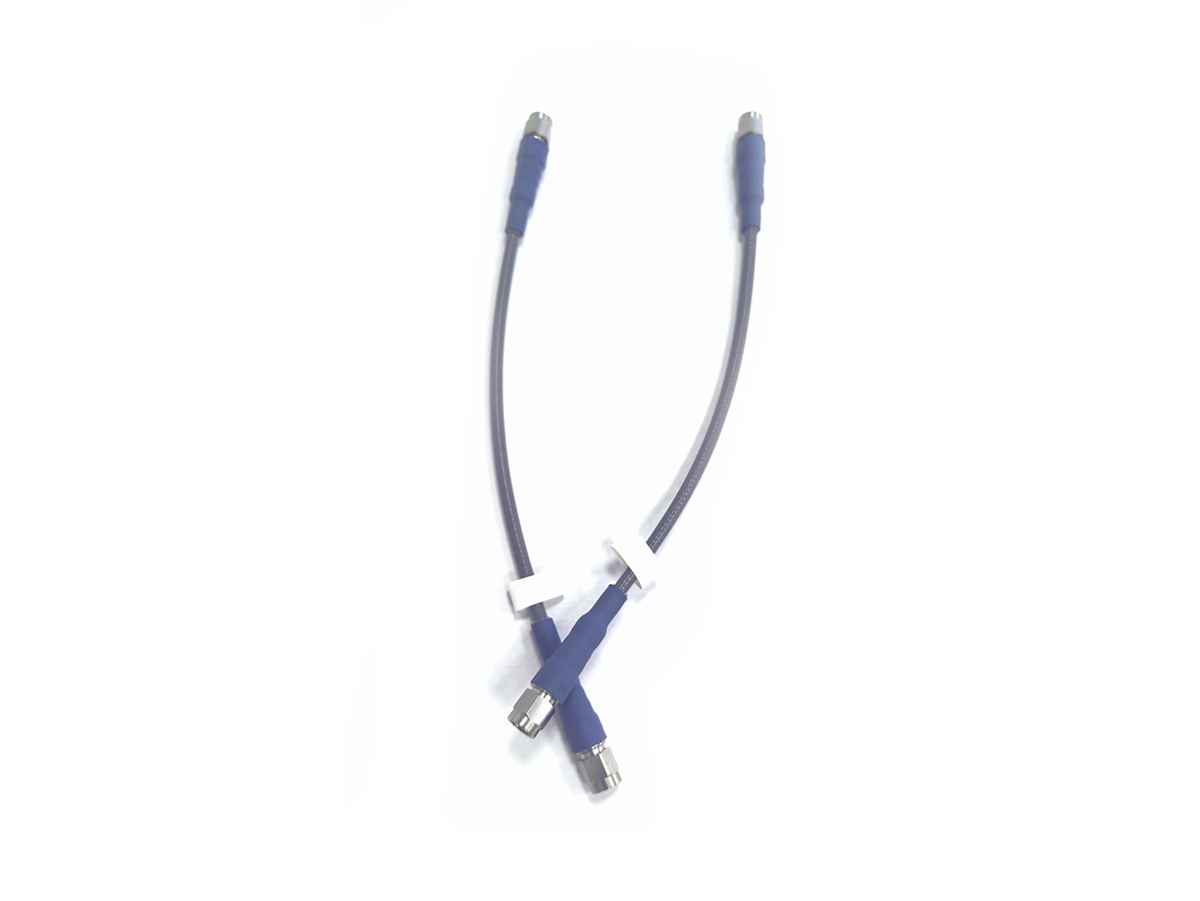
In today’s technological landscape, reliable and high-performance wiring solutions are paramount. **RG316 coaxial cable assembly** is one such solution, known for its versatility and superior electrical performance. This guide delves into the features, advantages, and applications of RG316, helping you understand why this coaxial cable is a preferred choice for many engineers and technicians.
What is RG316 Coaxial Cable?
**RG316 coaxial cable** is a type of coaxial cable designed primarily for radio frequency (RF) applications. It consists of a central conductor, insulating materials, and an outer conductive shield, which protects against electromagnetic interference. RG316 is particularly valued for its small diameter, making it ideal for applications where space is limited.
The cable is typically constructed with stranded silver-plated copper as the inner conductor and a combination of Teflon and polyethylene for insulation. This structure not only ensures excellent signal integrity but also enhances the cable's flexibility and durability.
Key Benefits of RG316 Coaxial Cable Assembly
High-Frequency Performance
One of the standout features of RG316 coaxial cable is its ability to perform exceptionally well at high frequencies. With a frequency range extending up to 6 GHz, it is suitable for various communications and data transmission applications. The minimal loss characteristics, particularly in high-frequency scenarios, make RG316 an efficient choice for transmitting signals without significant degradation.
Flexibility and Durability
**RG316 cable assembly** is notable for its flexibility, allowing it to be easily routed in tight spaces and complex installations. This flexibility does not come at the expense of durability; RG316 is built to withstand environmental stressors such as temperature fluctuations and mechanical wear. The cable's construction materials provide resistance to chemical exposure, making it suitable for use in automotive and industrial environments.
Temperature Resistance
Another important benefit of RG316 is its ability to function effectively across a wide temperature range. It can operate efficiently in temperatures as low as -55°C and as high as +125°C. This temperature resilience ensures that the cable maintains its performance in extreme conditions, which is critical for outdoor installations or environments with significant thermal variations.
Applications of RG316 Coaxial Cable Assembly
The versatility of RG316 coaxial cable makes it suitable for a wide array of applications, including:
1. **Wireless Communications**: RG316 is commonly used in antennas and RF components due to its low-loss characteristics.
2. **GPS Systems**: The cable's ability to transmit high-frequency signals makes it ideal for GPS applications.
3. **Military and Aerospace**: With its durable construction and temperature resistance, RG316 is frequently employed in military communication devices and aerospace technologies.
4. **Medical Equipment**: The cable is also used in various medical devices, where reliable signal transmission is essential.
Comparison with Other Coaxial Cables
When comparing RG316 to other coaxial cables such as RG58 or RG174, several distinctions emerge. **RG58** is slightly thicker and can carry signals over longer distances but suffers from higher attenuation at high frequencies. **RG174**, on the other hand, is even thinner than RG316 and provides more flexibility but lacks the same level of durability and thermal resistance.
RG316 strikes a balance between performance and flexibility, making it a preferred choice for applications requiring both high-frequency transmission and rigorous environmental conditions.
Installation Tips for RG316 Coaxial Cable
Proper installation is crucial to maximizing the performance of RG316 coaxial cable. Here are some tips to ensure a successful installation:
1. **Plan the Route**: Before installation, plan the cable route carefully, avoiding sharp bends that could damage the cable.
2. **Use Quality Connectors**: Ensure that you use high-quality connectors to maintain signal integrity.
3. **Avoid Over-Tensioning**: Do not pull the cable too tightly during installation, as excessive tension can lead to signal loss.
4. **Test the Installation**: After installation, conduct a thorough test of the cable to ensure there are no signal losses or interruptions.
Common Issues and Troubleshooting
Even with the best cables, some issues may arise during use. Here are common problems associated with RG316 coaxial cable and how to troubleshoot them:
1. **Signal Loss**: This can be caused by poor connectors or improper installation. Check all connections and replace any faulty components.
2. **Interference**: If you experience interference, ensure that the cable is adequately shielded and not running parallel to other electrical wires.
3. **Physical Damage**: Examine the cable for any signs of wear or damage, particularly if it's in a high-traffic area.
Frequently Asked Questions
What is the maximum frequency that RG316 can handle?
RG316 can handle frequencies up to 6 GHz, making it suitable for a wide range of RF applications.
Is RG316 coaxial cable suitable for outdoor use?
Yes, RG316 is well-suited for outdoor use due to its durable construction and temperature resistance, but it is advisable to use additional protective measures for prolonged exposure.
Can RG316 be used in high-temperature environments?
RG316 can operate efficiently in temperatures ranging from -55°C to +125°C, making it ideal for high-temperature environments.
What types of connectors are compatible with RG316?
Common connectors compatible with RG316 include SMA, N-type, BNC, and TNC connectors, among others.
How does RG316 compare to RG58?
While RG58 can transmit signals over longer distances, RG316 offers lower attenuation at high frequencies, making it more suitable for applications requiring high-frequency performance.
Conclusion
The **RG316 coaxial cable assembly** stands out as a premier choice for many applications due to its superior performance, flexibility, and durability. Whether for telecommunications, military applications, or medical devices, understanding its benefits and features can help you make informed decisions. By prioritizing quality materials and proper installation techniques, you can ensure that your RG316 cable assembly delivers reliable performance in any environment. As technology continues to evolve, RG316 remains a resilient and effective solution for high-frequency transmission needs.


Do you have Questions?
Not sure what you're looking for? Unable to find what you need?