

Unlocking the Power of RF Coaxial Assemblies: A Game Changer in Connectivity
Release Date:2025-09-14


Introduction to RF Coaxial Assemblies
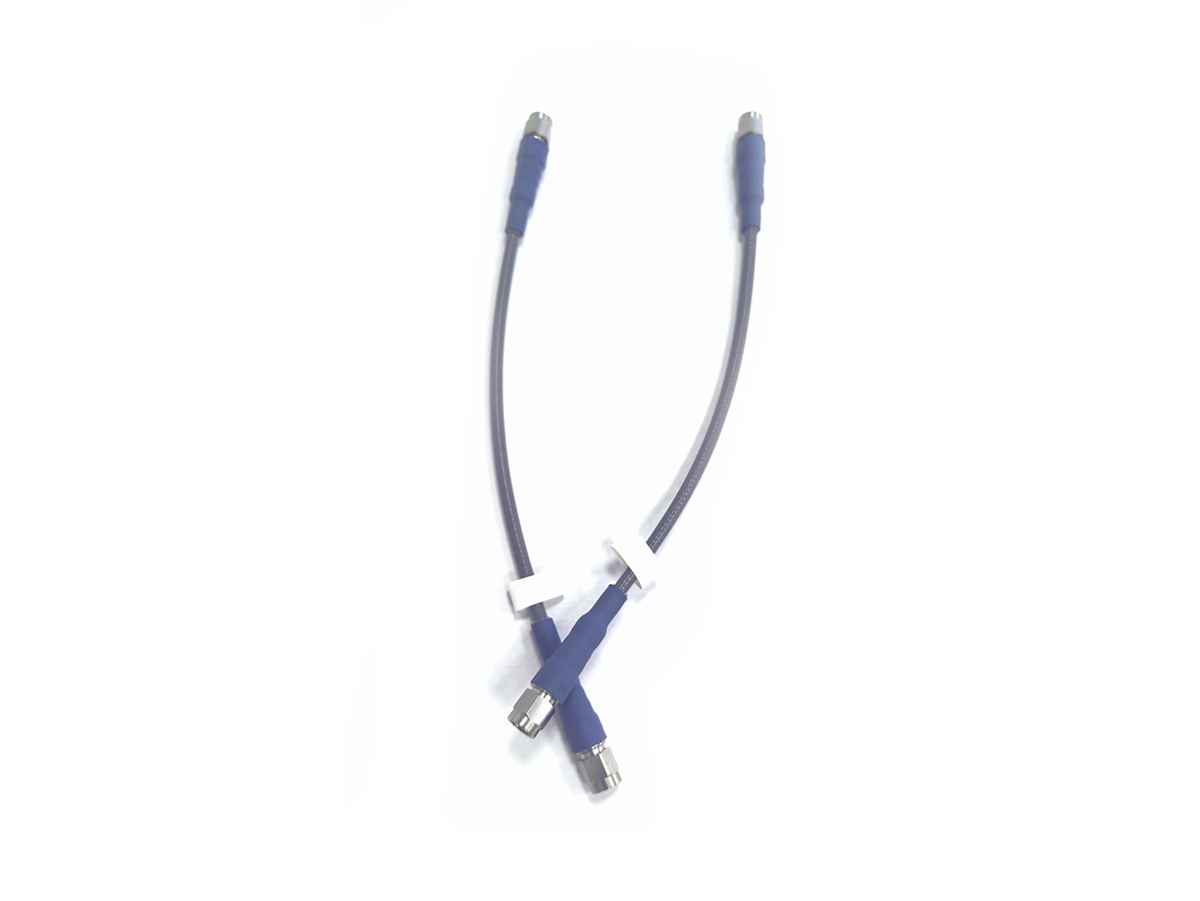
When it comes to high-frequency applications, few components hold as much significance as RF Coaxial Assemblies. These nifty little gadgets are the unsung heroes behind the scenes of our wireless communications, ensuring that signals travel smoothly and without interference. But what exactly are they? Let's dive into the world of RF Coaxial Assemblies and uncover their secrets!
What Are RF Coaxial Assemblies?
At their core, RF Coaxial Assemblies consist of a central conductor, insulating layer, and an outer conductor, all neatly encased in a protective sheath. This design not only helps in minimizing signal loss but also protects against electromagnetic interference (EMI). Think of it like a well-insulated water pipe – it keeps the good stuff in and the bad stuff out!
Why Are They Important?
In today's fast-paced, tech-driven world, reliable connectivity is a must. From cell phones to satellite communications, RF Coaxial Assemblies play a crucial role in transmitting signals over both short and long distances. They ensure that your calls don't drop and your Netflix binge-watching sessions remain uninterrupted. Can you imagine a world without them? Yikes!
Key Applications
- Telecommunications: Enabling clear voice and data transmission.
- Aerospace: Critical for navigation and communication systems.
- Broadcasting: Ensuring that radio and television signals reach their audience.
- Medical Devices: Supporting diagnostic equipment that requires precise signal integrity.
Types of RF Coaxial Assemblies
Just like flavors of ice cream, there are various types of RF Coaxial Assemblies tailored for specific needs:
- Standard Assemblies: Perfect for general applications.
- Low-Loss Assemblies: Ideal for long-distance signal transmission.
- High-Frequency Assemblies: Designed for applications requiring ultra-high frequencies.
- Custom Assemblies: Tailored to meet unique specifications.
How to Choose the Right Assembly?
Choosing the right RF coaxial assembly can feel a bit like finding a needle in a haystack. But fear not! Here are a few tips to guide you:
- Frequency Range: Know your application's frequency requirements.
- Impedance: Match the impedance to avoid signal reflections.
- Length: Consider the distance the signal needs to travel.
- Environment: Factor in temperature, humidity, and potential exposure to chemicals.
Installation Tips
Once you've got your hands on the perfect RF coaxial assembly, it's time to install it. Here's a quick checklist to ensure a smooth installation:
- Clean the connectors – dirt can degrade performance.
- Use the right tools – no one wants a DIY disaster!
- Follow manufacturer instructions – they know their products best.
- Test after installation – better safe than sorry!
Future Trends in RF Coaxial Assemblies
Looking ahead, the demand for RF Coaxial Assemblies is only set to grow. With the rise of 5G technology, Internet of Things (IoT) devices, and smart cities, these assemblies will be more crucial than ever. The innovation doesn't stop here – advancements in materials and design will continue to enhance performance and reliability.
Conclusion
In a nutshell, RF Coaxial Assemblies are the backbone of modern communication systems. They provide the reliability and performance needed to keep our world connected. So next time you're on a video call or streaming your favorite show, take a moment to appreciate the technology that makes it all possible. Who knew such a small component could have such a big impact?


Do you have Questions?
Not sure what you're looking for? Unable to find what you need?