

Unlocking the Potential of RF Coaxial Assemblies in Modern Industries
Release Date:2025-09-15


Understanding RF Coaxial Assemblies
Ever wondered how your favorite tech gadgets communicate seamlessly? Enter RF coaxial assemblies—the unsung heroes of modern connectivity. These specialized components play a crucial role in transmitting radio frequency signals, ensuring that your devices operate efficiently and reliably.
What Are RF Coaxial Assemblies?
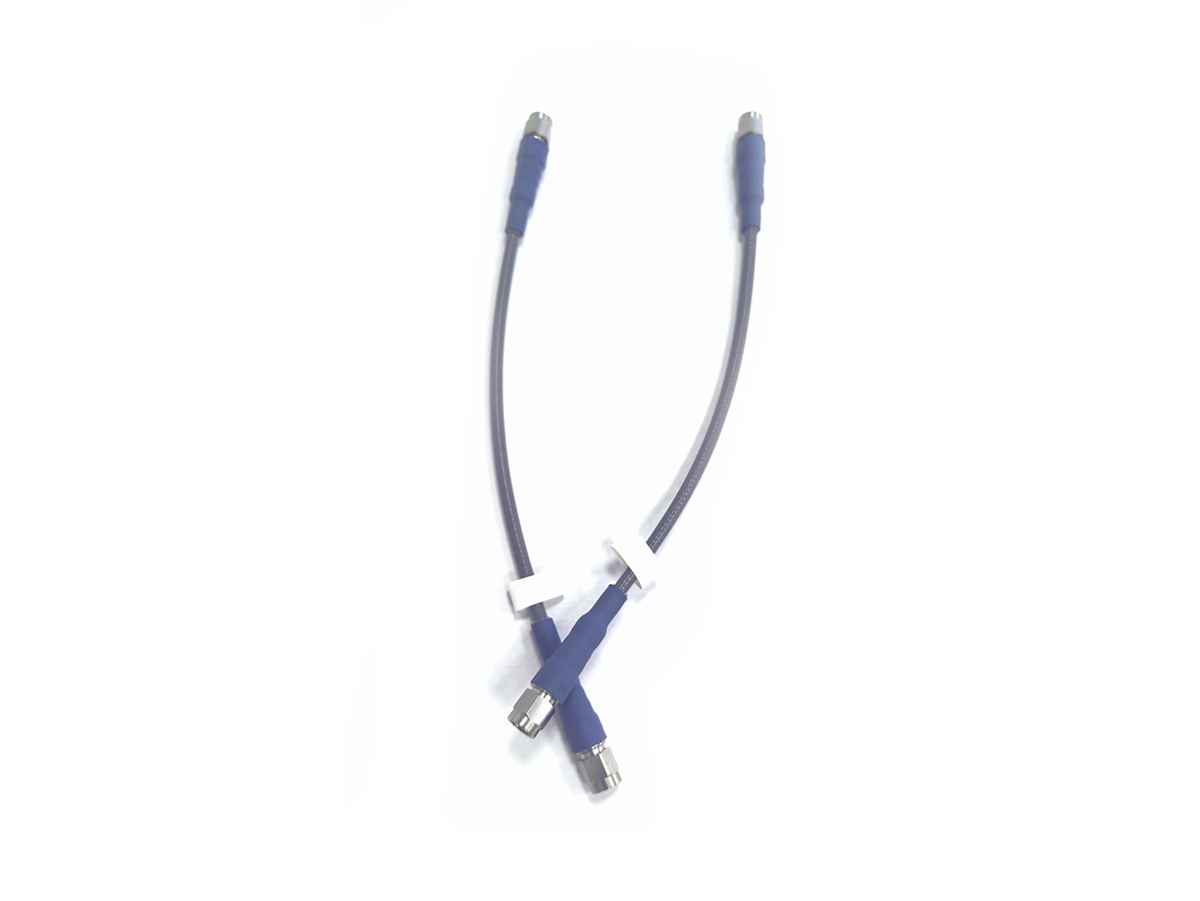
At the core, RF coaxial assemblies are a combination of coaxial cables and connectors that facilitate the transmission of high-frequency signals with minimal interference. They're designed to handle a range of frequencies, making them indispensable in industries like telecommunications, aerospace, and even medical applications.
Why Are They Important?
So, why should you care about RF coaxial assemblies? Well, they're basically the lifeblood of wireless communications. Whether it's a cell phone call, a satellite signal, or even Wi-Fi, these assemblies ensure that data travels smoothly. Without them, we'd be stuck in the dark ages of communication—yikes!
Key Industries Utilizing RF Coaxial Assemblies
Let's take a quick tour of the industries that rely heavily on these nifty assemblies:
- Telecommunications: RF coaxial assemblies are vital for the infrastructure that supports cellular networks and internet services.
- Aerospace: These assemblies ensure reliable communication for aircraft systems and satellite operations.
- Medical: In the medical field, RF coaxial assemblies are used in imaging technologies and diagnostic equipment.
- Broadcasting: From radio to television, these assemblies are crucial for transmitting signals to a wide audience.
The Nitty-Gritty: Components of RF Coaxial Assemblies
Now, let's dive a little deeper. An RF coaxial assembly is typically composed of three main parts:
- Conductor: This is the inner metal wire that carries the signal.
- Insulator: Surrounding the conductor, this layer prevents signal interference.
- Shielding: The outer layer protects against external electromagnetic interference.
Each component plays a vital role in ensuring that the signal remains strong and clear. It's a well-orchestrated dance of technology!
Choosing the Right RF Coaxial Assembly
When it comes to selecting an RF coaxial assembly, there are a few things to keep in mind:
- Frequency Range: Make sure the assembly can handle the frequencies you need.
- Connector Type: Different applications require different connector styles; pick wisely!
- Length: The length of the assembly can affect signal integrity, so measure before you order.
By considering these factors, you'll be well on your way to finding the perfect RF coaxial assembly for your needs.
Future Trends in RF Coaxial Assemblies
The world of RF coaxial assemblies is evolving. With advancements in technology, we're seeing the emergence of flexible assemblies that can withstand harsh environments—think extreme temperatures and vibrations. Plus, as 5G technology rolls out, the demand for high-performance RF coaxial assemblies is expected to skyrocket.
Wrapping It Up
In a nutshell, RF coaxial assemblies are pivotal for ensuring seamless communication across various industries. From keeping us connected in our daily lives to enabling critical functions in aerospace and medical technology, their impact cannot be overstated. So, the next time you make a call or stream a video, take a moment to appreciate the sophisticated world of RF coaxial assemblies working behind the scenes!


Do you have Questions?
Not sure what you're looking for? Unable to find what you need?