

Unraveling the Magic of RF Coaxial Assemblies: How They Work
Release Date:2025-09-15


Understanding RF Coaxial Assemblies
So, what's the buzz about RF coaxial assemblies? If you've ever fiddled with antennas, radio transmitters, or even your favorite Wi-Fi router, you've likely encountered them in action. These nifty little components are the unsung heroes of the radio frequency (RF) world, ensuring that signals transmit smoothly without a hitch!
The Basics of RF Technology
To get a grip on how RF coaxial assemblies work, let's start with a quick refresher on RF technology. RF encompasses a range of electromagnetic waves that travel through the air, enabling wireless communication. Think of it as the invisible highway of data, where information zips around from one point to another at breakneck speed!
What Exactly are RF Coaxial Assemblies?
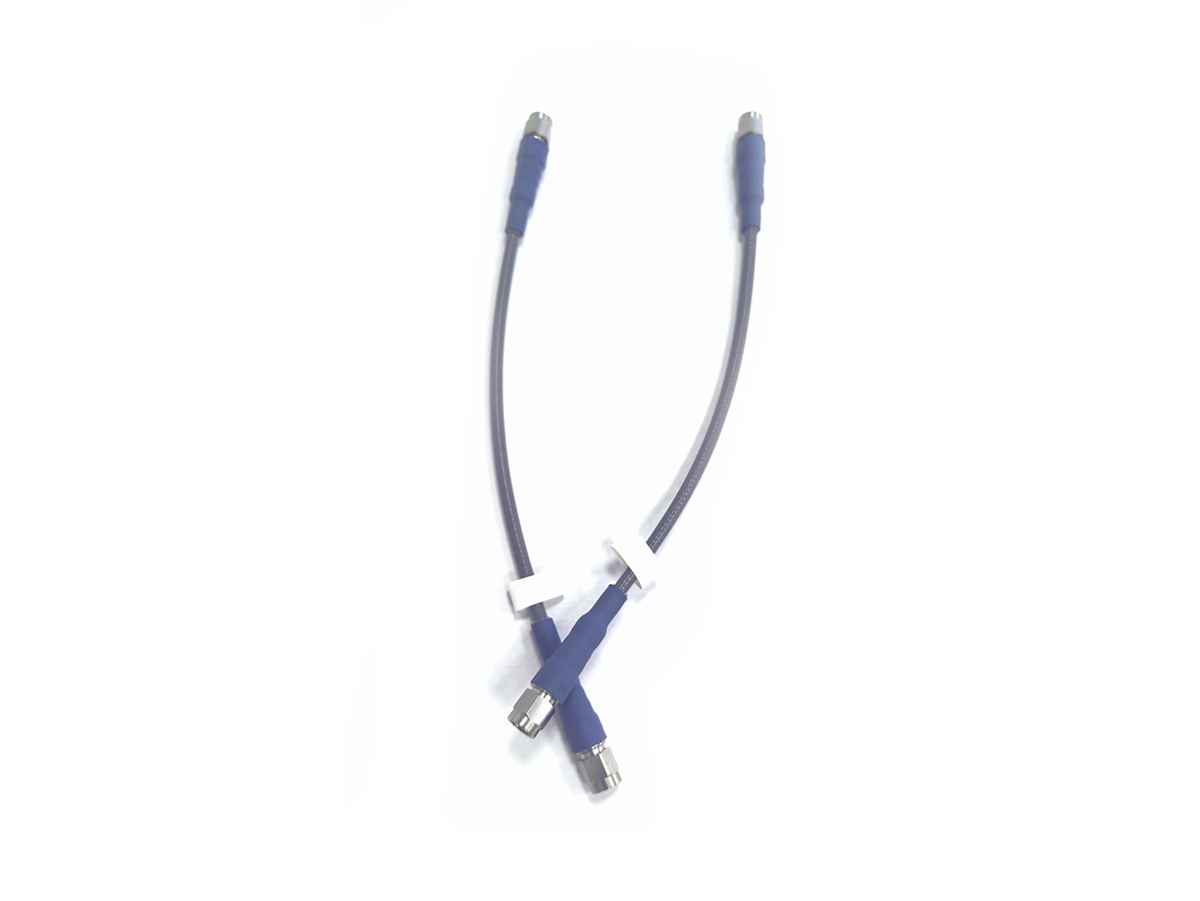
Now, diving deeper, an RF coaxial assembly is essentially a cable that consists of a central conductor, an insulating layer, and an outer conductor, all carefully encased in a protective sheath. Sounds simple, right? But don't let its straightforward design fool you! This assembly plays a crucial role in minimizing signal loss and shielding the transmission from interference.
Breaking It Down
Here's how it works: the central conductor carries the signal, while the outer conductor acts as a shield, protecting the signal from external noise and potential disruptions. The insulation in between keeps everything nicely separated. It's a bit like a sandwich – tasty, but with layers that keep everything where it should be!
How Are They Used?
RF coaxial assemblies are everywhere – from cell towers to satellite dishes and even in your home entertainment systems! They ensure that your devices communicate effectively, delivering high-quality audio and video signals without the annoying static.
In Real-World Applications
Picture this: you're in the middle of an important video call, and suddenly, the screen freezes. Frustrating, right? That's where RF coaxial assemblies step in to save the day. By providing a stable connection, they help maintain signal integrity, ensuring that you stay connected even when the going gets tough.
The Science Behind the Signal
Let's dig a little deeper into the science. RF signals travel in waves, and the RF coaxial assemblies are designed to handle these waves efficiently. The characteristics of the materials used in these assemblies, such as their dielectric properties, are meticulously chosen to enhance performance and reduce signal loss.
Impedance Matching
One key factor to consider is impedance matching. If the impedance isn't aligned, you can experience reflections that disrupt the signal flow. It's like trying to pour water into a glass that's too small – it just doesn't work well! By ensuring that the components are matched correctly, RF coaxial assemblies help facilitate smooth transmission.
Quality Matters
When it comes to RF coaxial assemblies, quality is king. The materials used, the construction quality, and even the connectors play a significant role in the assembly's overall performance. Investing in high-quality components can make all the difference in achieving optimal signal performance.
Future of RF Technology
As technology evolves, so do RF coaxial assemblies. With the advent of 5G and beyond, the demand for more efficient, high-performance assemblies continues to grow. Manufacturers are constantly innovating, developing new materials and designs that can handle higher frequencies and more complex applications.
Final Thoughts
So, there you have it! RF coaxial assemblies might seem like just another tech component, but they play a vital role in keeping our world connected. Whether you're streaming your favorite show, making a call, or connecting to the internet, these assemblies are working tirelessly behind the scenes. Next time you enjoy a seamless connection, take a moment to appreciate the engineering marvel that is the RF coaxial assembly!


Do you have Questions?
Not sure what you're looking for? Unable to find what you need?