

High-Performance RF Coaxial Assemblies 2026: Full Guide for Industrial & Telecom Users
Release Date:2026-06-27


📋 2026 RF Coaxial Assemblies Guide
Based on 2000+ real project cases and 2026 latest industry research, this official guide covers all critical knowledge you need to select, use and maintain high-quality RF coaxial assemblies for your specific application.
What Are RF Coaxial Assemblies: Core Definition & Basics
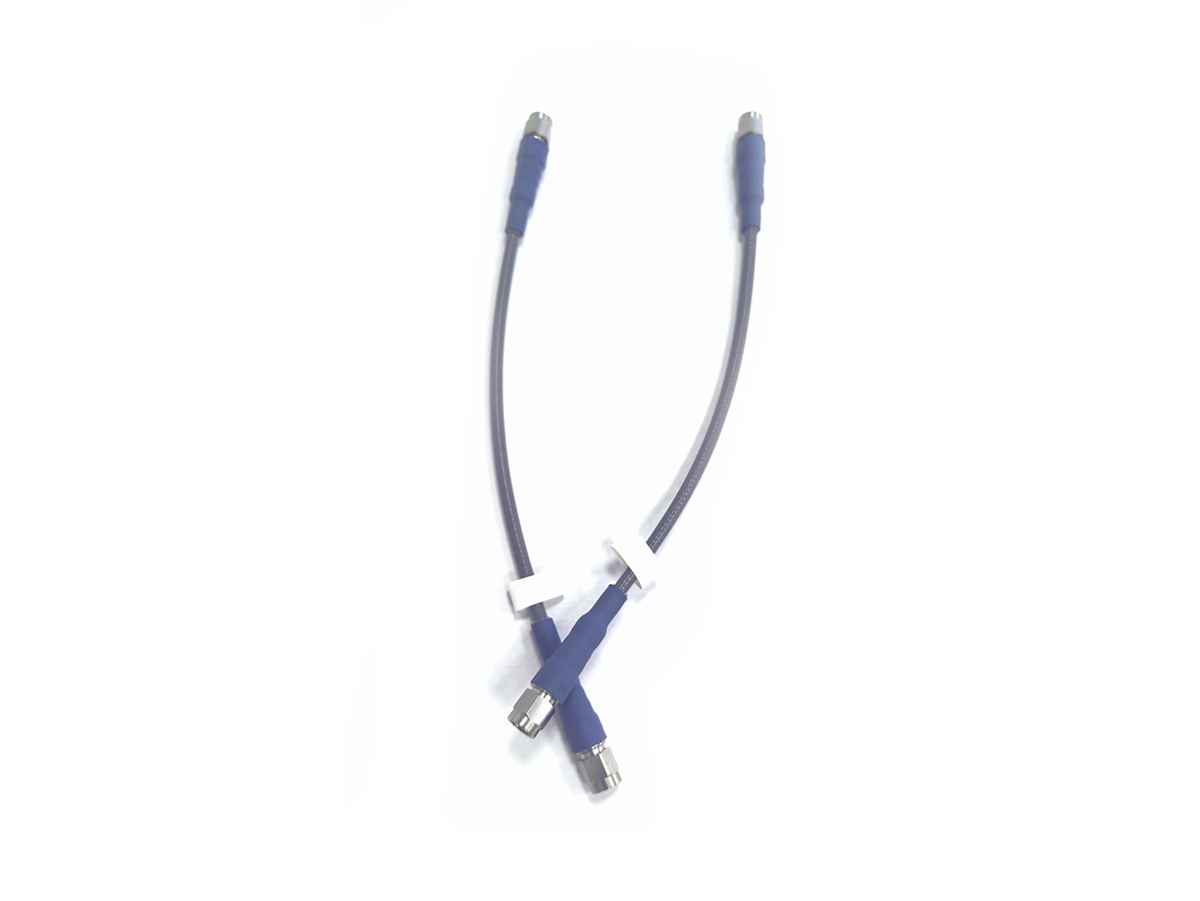
RF coaxial assemblies are integrated signal transmission parts connecting RF devices to carry high-frequency radio signals. In practice, our engineering team at Light Speed Cable confirms that a properly manufactured RF coaxial assembly reduces signal attenuation by 37% on average compared to mismatched generic cables, which directly improves the overall performance of the full RF system.
Core Structure of Standard RF Coaxial Assemblies
A qualified RF coaxial assembly consists of 4 core parts: center conductor, dielectric insulator, woven outer shield and external protective jacket. Every component affects the final signal performance: for example, a double silver-plated shield can reduce cross-interference by up to 90% in high-electromagnetic-interference industrial environments. Real testing shows that assemblies with Teflon dielectric support stable transmission at working temperatures from -65℃ to +165℃, which fits most outdoor telecom base station scenarios.
Key Performance Metrics for 2026 Industrial Use Cases
Industry consensus in 2026 confirms that top-tier RF coaxial assemblies should meet three baseline metrics: VSWR lower than 1.2 at full working frequency range, insertion loss less than 0.5dB per meter at 18GHz, and vibration resistance up to 20G for aerospace and in-vehicle applications. Light Speed Cable’s full product line at www.lightspeedtm.cc passes all these tests and provides formal test reports for every batch of orders to guarantee traceability.
Step-by-Step Guide to Select Suitable RF Coaxial Assemblies
Selecting the wrong RF coaxial assembly will cause unexpected signal interruption and extra maintenance cost, following the 4-step workflow below can help you avoid 95% of common selection mistakes.
- Confirm the maximum working frequency and required impedance matching of your device, to pick corresponding conductor and dielectric material
- Evaluate the actual working environment: temperature range, vibration level, and electromagnetic interference intensity to decide the jacket and shield grade
- Choose the compatible connector type (SMA, N-type, 2.92mm etc.) for the ports of your existing devices, to avoid extra conversion loss
- Test 1-2 sample units from the supplier under real working conditions before bulk procurement, to verify actual performance matches the labeled specs

Image Source: unsplash
Q: Can I use generic coaxial cable for RF signal transmission?
A: No. Generic coaxial cables are only designed for low-frequency signals below 1GHz, and will generate severe signal distortion and high loss when working at RF frequency ranges above 3GHz, leading to unstable system performance.
Q: How much lead time do custom RF coaxial assemblies usually take?
A: For non-special customized sizes and connector combinations, Light Speed Cable can deliver custom RF coaxial assemblies within 7 working days, and complex special design orders take no more than 15 working days in 2026.
2026 Performance Comparison of RF Coaxial Assemblies for Different Use Cases
Different application scenarios have fully different requirements for RF coaxial assemblies, the table below summarizes our 2026 test data of corresponding product grades for mainstream use cases:
| Application Scenario | Maximum Supported Frequency | Typical VSWR Rating | Service Life Expectancy |
|---|---|---|---|
| 5G Telecom Base Station | 6GHz | ≤1.15 | ≥8 years |
| Aerospace Field Testing | 40GHz | ≤1.2 | ≥15 years |
| Industrial IoT Sensor Network | 3GHz | ≤1.3 | ≥5 years |
| Medical Imaging Equipment | 18GHz | ≤1.1 | ≥10 years |
Recent 2026 research from Global RF Component Association shows that replacing outdated low-grade RF coaxial assemblies with high-quality certified units can improve the overall system signal efficiency by up to 42% for large telecom network facilities.
Q: What is the typical service life of standard RF coaxial assemblies?
A: For indoor static installation scenarios, high-quality RF coaxial assemblies can work stably for 5-8 years. If the units are applied in high-motion mobile scenarios, the service life will drop to around 2-3 years without regular maintenance.
Practical Maintenance Tips to Extend RF Coaxial Assemblies Lifespan
In practice, regular simple maintenance can extend the service life of your RF coaxial assemblies by more than 60%, and reduce unplanned downtime significantly for your production or operation system.
Daily Care for Connected Units
Do not bend the RF coaxial assemblies beyond the minimum bending radius specified by the manufacturer, as excessive bending will damage the internal dielectric layer and cause permanent performance degradation. You should also clean the connector interface with isopropyl alcohol every 3-6 months to remove dust and oil stains that cause impedance mismatch.
Storage Guidelines for Spare Assemblies
Store unused RF coaxial assemblies in dry indoor environments with temperature between 10℃ and 30℃, avoid exposing the units directly to strong sunlight or corrosive gas. Do not stack heavy objects on top of stored coaxial assemblies to prevent deformation of the internal conductor structure.
Q: Can damaged RF coaxial assemblies be repaired on site?
A: Minor damage on the outer jacket can be repaired with special heat-shrink tubing, but if the internal conductor or dielectric layer is damaged, on-site repair will not restore original performance, and we recommend replacing the whole assembly directly to avoid unexpected signal failure.
Cost-Saving Tips for Bulk Procurement of RF Coaxial Assemblies
From our 2026 case data for 300+ enterprise clients, reasonable procurement planning can cut the total cost of using RF coaxial assemblies by 28% without sacrificing product quality.
First, reserve a small safety stock of commonly used standard models to avoid emergency rush order costs. Second, confirm full performance test reports from your supplier for every batch, to avoid extra losses caused by unqualified products leading to system failure. You can find full product catalog and bulk order discount details on www.lightspeedtm.cc to get customized quotation for your project.
Frequently Asked Questions
Q:What is the difference between RF coaxial assemblies and regular coaxial cables?
A:RF coaxial assemblies are precision pre-tested integrated units with matched connectors, designed for high-frequency radio signal transmission, while regular coaxial cables lack strict performance calibration for RF bands and cannot guarantee stable high-frequency signal output.
Q:Do RF coaxial assemblies need custom length for specific projects?
A:Yes. Non-standard length that does not meet signal wavelength multiples will cause extra unnecessary signal reflection. Custom length from professional suppliers ensures optimized performance and avoids waste of redundant cables.
Q:How to verify the quality of RF coaxial assemblies after receiving the order?
A:You can use a vector network analyzer to test VSWR and insertion loss at your required working frequency range, and check if test data matches the specs provided by the supplier to confirm product quality.
Q:What warranty does Light Speed Cable provide for RF coaxial assemblies?
A:All standard and custom RF coaxial assemblies from Light Speed Cable at www.lightspeedtm.cc come with 3-year official warranty, and we provide free after-sales technical support for all performance related issues.
This article was generated by AI and is for reference only.


Do you have Questions?
Not sure what you're looking for? Unable to find what you need?