

Understanding Low Loss Coaxial Cables: Essential Insights for Electrical Professionals
Release Date:2025-07-03


Low loss coaxial cables are an essential component in various applications within the electrical and telecommunications sectors. These cables are specifically designed to minimize signal loss during transmission, making them a preferred choice for high-frequency applications such as radio frequency (RF) communication, satellite systems, and broadband internet connections.
One of the primary advantages of low loss coaxial cables lies in their construction. They typically consist of a central conductor surrounded by an insulating layer, which is then encased in a conductive shield and an outer protective layer. The materials used in the insulation and shielding are crucial in reducing signal attenuation. For instance, low loss cables often use high-quality dielectric materials that exhibit minimal signal absorption and improve overall performance.
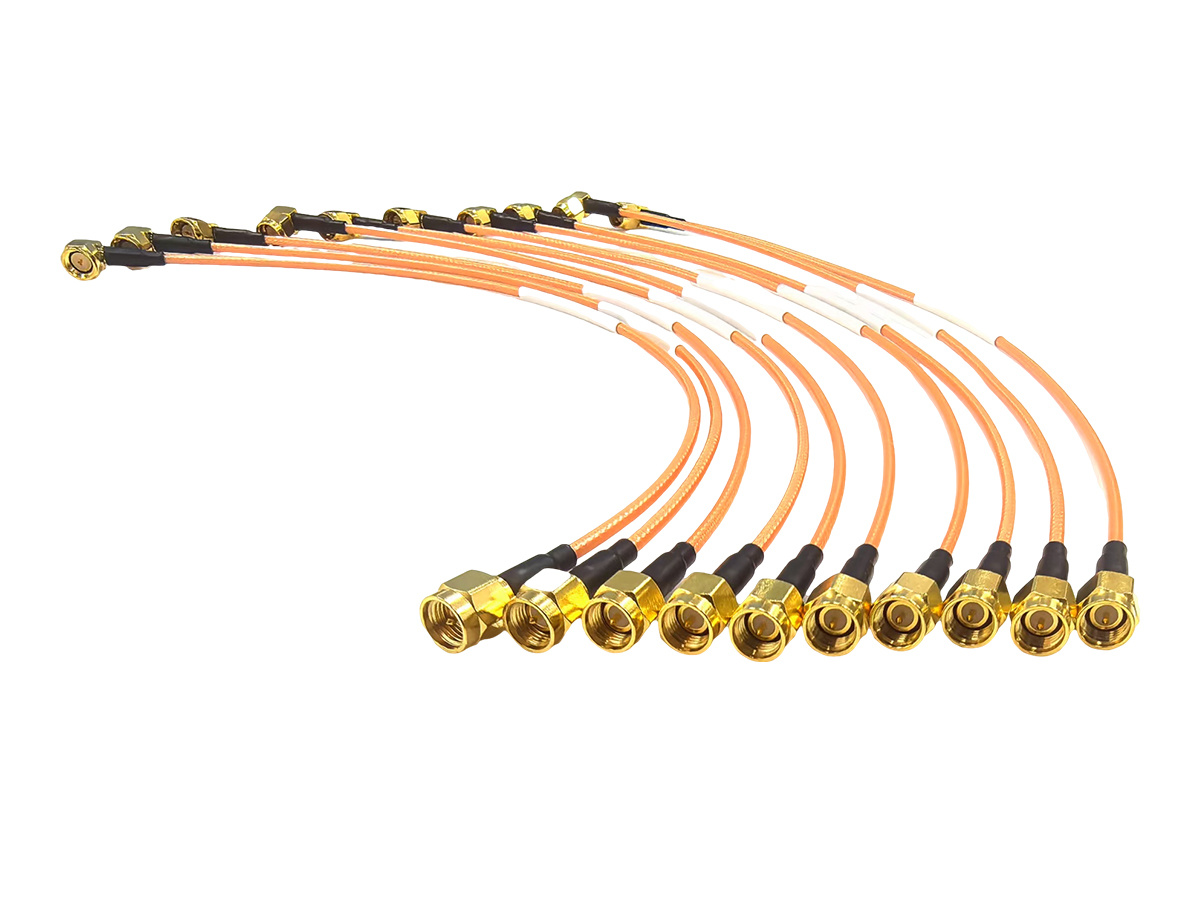
Signal loss in coaxial cables is measured in decibels (dB) per 100 feet. Low loss coaxial cables significantly reduce this loss compared to standard cables, which is critical in applications that require long-distance transmission. For example, in telecommunications, the ability to maintain signal strength over long distances is vital for ensuring clear communication and data integrity. This low loss characteristic makes these cables ideal for applications in broadcasting, wireless networks, and other communication infrastructures.
Another aspect that distinguishes low loss coaxial cables is their frequency range. These cables can efficiently transmit signals at higher frequencies, often exceeding 1 GHz. This capability is particularly beneficial in modern applications, where high-speed data transmission and reduced interference are paramount. The shielding design of low loss coaxial cables also helps to mitigate external electromagnetic interference (EMI), ensuring that the transmitted signals remain clear and undistorted.
When considering low loss coaxial cables, it is essential to evaluate the specific needs of your application. Factors such as operating frequency, distance, and environmental conditions play a significant role in selecting the appropriate cable type. For instance, certain low loss cables are designed for outdoor use and feature additional protection against moisture and UV radiation, while others may be optimized for indoor installations.
In conclusion, low loss coaxial cables are vital for ensuring reliable and efficient signal transmission in various electrical and telecommunications applications. Their specialized construction, reduced signal attenuation, and robustness against interference make them a superior choice for professionals in the industry. By understanding the intricacies of low loss coaxial cables, electrical professionals can make informed decisions that enhance system performance and reliability.


Do you have Questions?
Not sure what you're looking for? Unable to find what you need?