

Teflon Insulated Wire: Unleashing the Power of Advanced Electrical Conductivity
Release Date:2025-07-02


In the ever-evolving landscape of electrical engineering, the choice of wiring materials can significantly impact the performance, reliability, and lifespan of electrical systems. Teflon insulated wire stands out as a revolutionary solution, offering a plethora of advantages that make it a preferred choice in various industries.
Teflon, also known as polytetrafluoroethylene (PTFE), is the key component that gives this wire its exceptional properties. The Teflon insulation provides outstanding electrical resistance, ensuring minimal signal loss and interference during the transmission of electrical current. This characteristic makes Teflon insulated wire ideal for applications where high-precision signal transfer is crucial, such as in telecommunications, aerospace, and medical equipment.
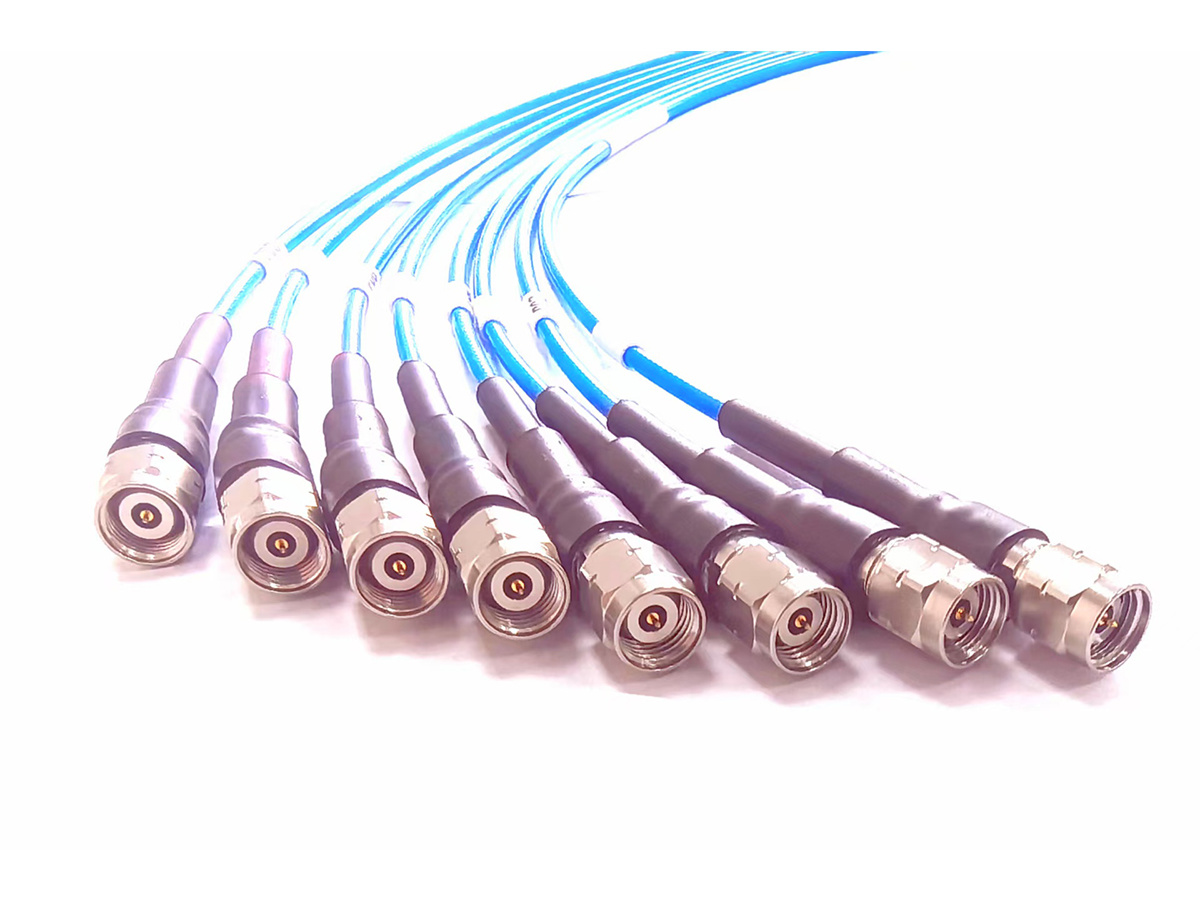
One of the most remarkable features of Teflon insulated wire is its excellent thermal stability. Teflon has a high melting point and can withstand extreme temperatures ranging from -200°C to 260°C. In aerospace applications, where wires are exposed to the harsh conditions of high-altitude flight, including rapid temperature changes, Teflon insulated wire maintains its integrity and functionality. It prevents electrical failures due to thermal stress, ensuring the safe and reliable operation of aircraft systems.
The chemical resistance of Teflon insulated wire is another significant advantage. Teflon is highly resistant to a wide range of chemicals, solvents, and corrosive substances. In industrial settings, such as chemical plants and refineries, where wires are constantly exposed to aggressive chemicals, Teflon insulated wire can endure these harsh environments without degradation. This not only extends the lifespan of the wire but also reduces the need for frequent replacements, saving both time and costs for industries.
Teflon insulated wire also offers superior flexibility. Despite its robust insulation, the wire remains flexible, allowing for easy installation in tight spaces and complex wiring configurations. In medical equipment, where precise and compact wiring is essential, the flexibility of Teflon insulated wire enables manufacturers to design devices with intricate internal structures. It can be bent and routed without causing damage to the insulation or affecting the electrical performance.
Furthermore, Teflon insulated wire has low dielectric loss, which means it dissipates very little energy as heat during electrical transmission. This property is crucial for maintaining the efficiency of electrical systems, especially in high-frequency applications. In telecommunications, where signals are transmitted at high frequencies over long distances, Teflon insulated wire ensures that the signals remain strong and clear, reducing the need for signal amplification and improving overall system performance.
In conclusion, Teflon insulated wire has transformed the way electrical systems are designed and operated. Its unique combination of high electrical resistance, thermal stability, chemical resistance, flexibility, and low dielectric loss makes it an indispensable component in modern electrical engineering. As industries continue to demand higher performance, reliability, and efficiency from their electrical systems, Teflon insulated wire will undoubtedly play an increasingly important role in meeting these challenges.


Do you have Questions?
Not sure what you're looking for? Unable to find what you need?