

Optimizing Connectivity with Low Loss Coaxial Cable Solutions
Release Date:2026-03-08


Image Source: unsplash
Introduction to Low Loss Coaxial Cable
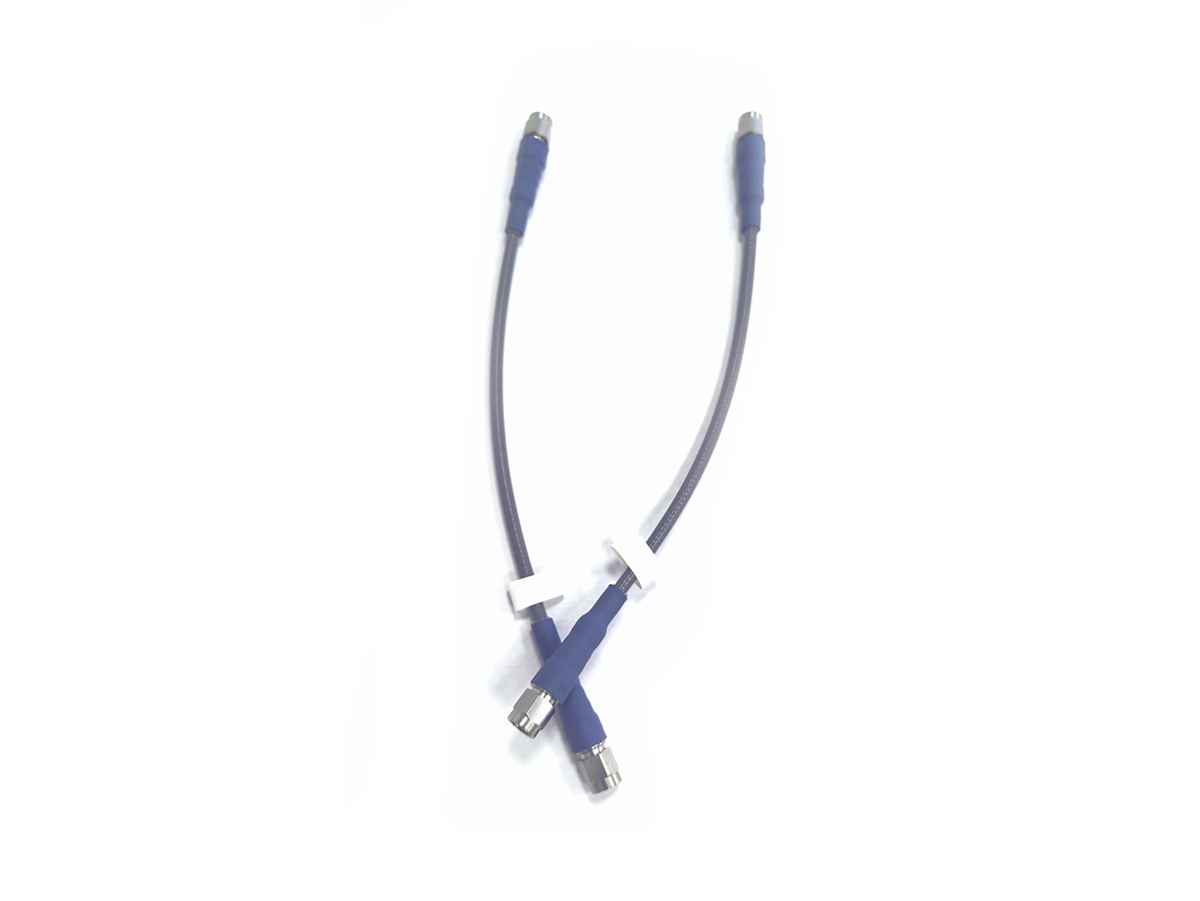
In the ever-evolving world of connectivity, the low loss coaxial cable is a game changer. With its ability to transmit signals with minimal interference, this type of cable has gained traction across various industries. Whether you're in telecommunications, broadcasting, or even aerospace, understanding the benefits of this cable can make all the difference.
What Makes Low Loss Coaxial Cable Special?
So, what's the big deal with low loss coaxial cables? Well, it comes down to their construction. These cables are designed to minimize signal degradation over long distances. They achieve this through high-quality materials and innovative shielding techniques. As a result, you get clearer and more reliable transmissions, which is crucial for applications like high-definition video broadcasting or data transfer in critical communications.
Applications Across Various Industries
Let's dive into some of the industries that benefit from using low loss coaxial cable:
Telecommunications
In telecommunications, signal integrity is paramount. Low loss coaxial cables help maintain high quality for voice and data transmission, ensuring that calls are clear and data packets are delivered without hiccups. This reliability is crucial for both consumers and businesses alike.
Broadcasting
For broadcasters, low loss coaxial cable is like gold. It ensures that audio and video signals are transmitted without distortion, which is essential for maintaining the quality of live broadcasts. Think about it: nobody wants to tune into their favorite show only to experience static or dropouts!
Aerospace and Defense
In the aerospace and defense sectors, reliability saves lives. Low loss coaxial cables are used in radar systems, communication systems, and other critical applications where performance cannot be compromised. Here, the robustness of these cables truly shines.
Choosing the Right Low Loss Coaxial Cable
When selecting a low loss coaxial cable, consider factors like frequency range, cable length, and installation environment. Not all cables are created equal, and the right choice can enhance your system's performance significantly. It's always a good idea to consult with an expert if you're unsure—better safe than sorry!
Installation Tips
Installing low loss coaxial cable? Here are a few tips to keep in mind:
- Ensure proper grounding to minimize interference.
- Avoid sharp bends in the cable, as they can introduce loss.
- Use appropriate connectors to maintain signal integrity.
By following these simple guidelines, you can maximize the performance of your low loss coaxial cable and ensure a reliable connection.
Conclusion
In conclusion, low loss coaxial cables are essential for efficient communication across various sectors. They deliver unparalleled performance and reliability, making them a must-have for anyone looking to optimize their connectivity solutions. So, whether you're upgrading your home network or outfitting a commercial broadcasting setup, don't overlook the power of low loss coaxial cable!


Do you have Questions?
Not sure what you're looking for? Unable to find what you need?