

The Magic Behind Low Loss Coaxial Cables: Understanding Their Functionality
Release Date:2026-03-09


Image Source: unsplash
Introduction to Coaxial Cables
Have you ever wondered what keeps your internet buzzing, your TV clear, and your phone calls crisp? Well, let me tell you, a low loss coaxial cable plays a pivotal role in that equation. These cables might look simple on the surface, but they're quite the unsung heroes of modern communication.
What Is a Low Loss Coaxial Cable?
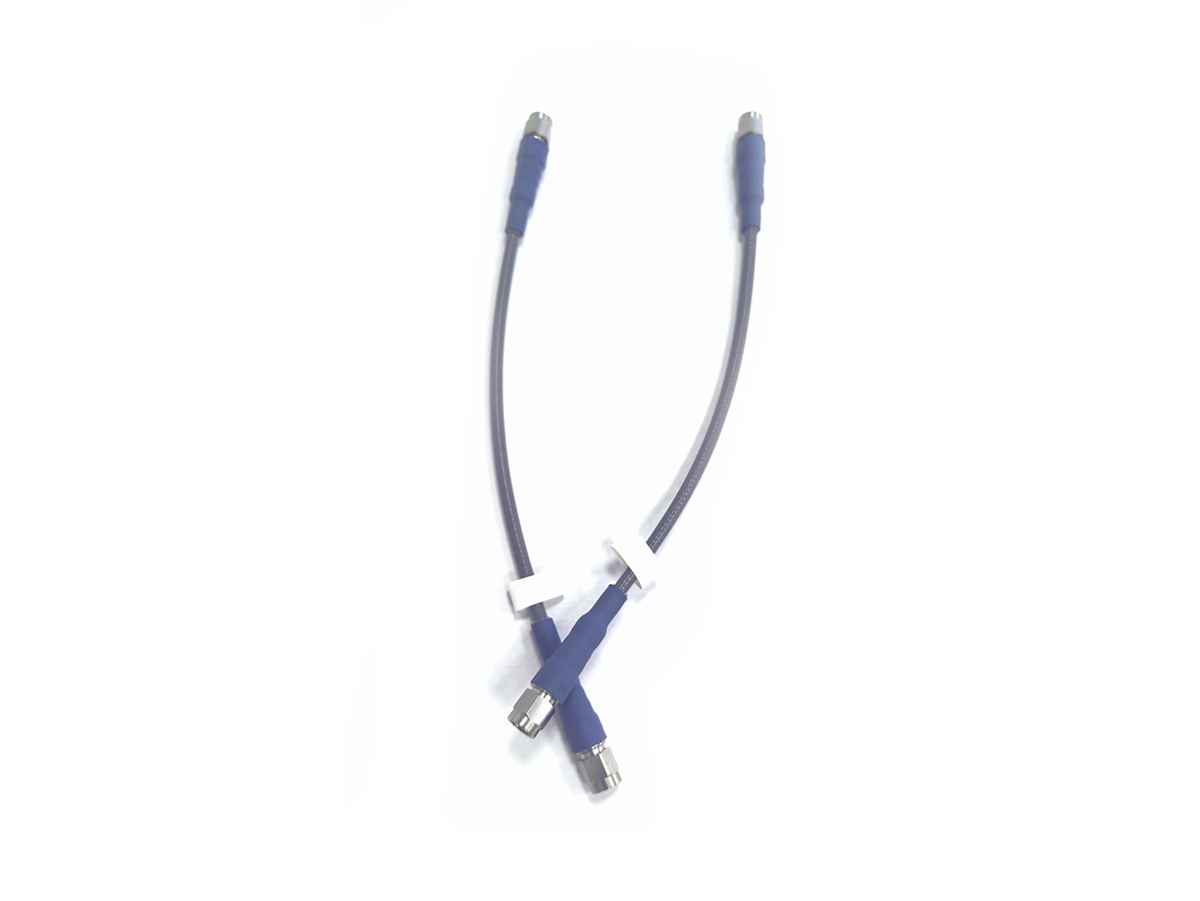
At its core, a low loss coaxial cable is designed to transmit signals with minimal signal degradation. You see, the term 'low loss' refers to the ability of the cable to minimize the loss of signal as it travels from one end to the other. This is crucial for applications where clarity and performance are key—think about broadcasting, telecommunications, and even data centers.
How Does It Work?
Now, let's dive into the nitty-gritty. A low loss coaxial cable consists of three main components: the inner conductor, the insulating layer, and the outer conductor. The inner conductor carries the signal, while the outer conductor acts as a shield against electromagnetic interference. This design is what allows these cables to transmit signals over long distances with great fidelity.
The Inner Workings
The inner conductor is usually made of copper or aluminum, materials known for their excellent conductivity. The insulating layer, typically made of foam or solid plastic, keeps the inner conductor separated from the outer one. And the outer conductor, often made of braided metal, helps keep those pesky external signals out. Talk about teamwork!
Why Choose Low Loss Coaxial Cables?
Now, you might be curious about why you should opt for low loss coaxial cables over standard ones. Here's the scoop: lower loss means better signal quality. Whether you're streaming your favorite show or making an important call, the last thing you want is a fuzzy connection. With these cables, you can say goodbye to annoying interruptions and hello to smooth, uninterrupted service.
Applications Galore!
From satellite communications to broadband internet, low loss coaxial cables have found a home in various industries. They're also commonly used in telecommunications, where maintaining signal integrity is non-negotiable. So, if you're in the market for reliable cable solutions, look no further!
Installation and Maintenance
Installing low loss coaxial cables isn't rocket science, but a little know-how goes a long way. Ensure you handle them with care, avoiding sharp bends that might compromise their integrity. And here's a tip: regular maintenance checks can help identify wear and tear before it becomes a bigger issue.
Final Thoughts
So there you have it! The low loss coaxial cable is more than just a wire; it's a lifeline for our interconnected world. Understanding its functionality can help you appreciate the technology behind the scenes in our daily lives. Next time you enjoy a seamless streaming experience or a clear conversation, remember the little cable that could!


Do you have Questions?
Not sure what you're looking for? Unable to find what you need?