

Tackling Common Questions about Aviation Data and Coaxial Lines
Release Date:2026-05-15


Introduction to Aviation Data Lines
When it comes to aerospace technology, every element plays a vital role, and aviation data lines are no exception. These lines are crucial for transmitting data in various systems, ensuring that everything operates smoothly. Let's dive into some common questions surrounding these essential components.
What are Aviation Data Lines?
Aviation data lines are specialized cables designed for the unique demands of the aerospace industry. They enable high-speed data transfer between systems, which is particularly important in flight operations. These lines often feature enhanced shielding to reduce interference, thereby maintaining data integrity.
Understanding RF Coaxial Lines
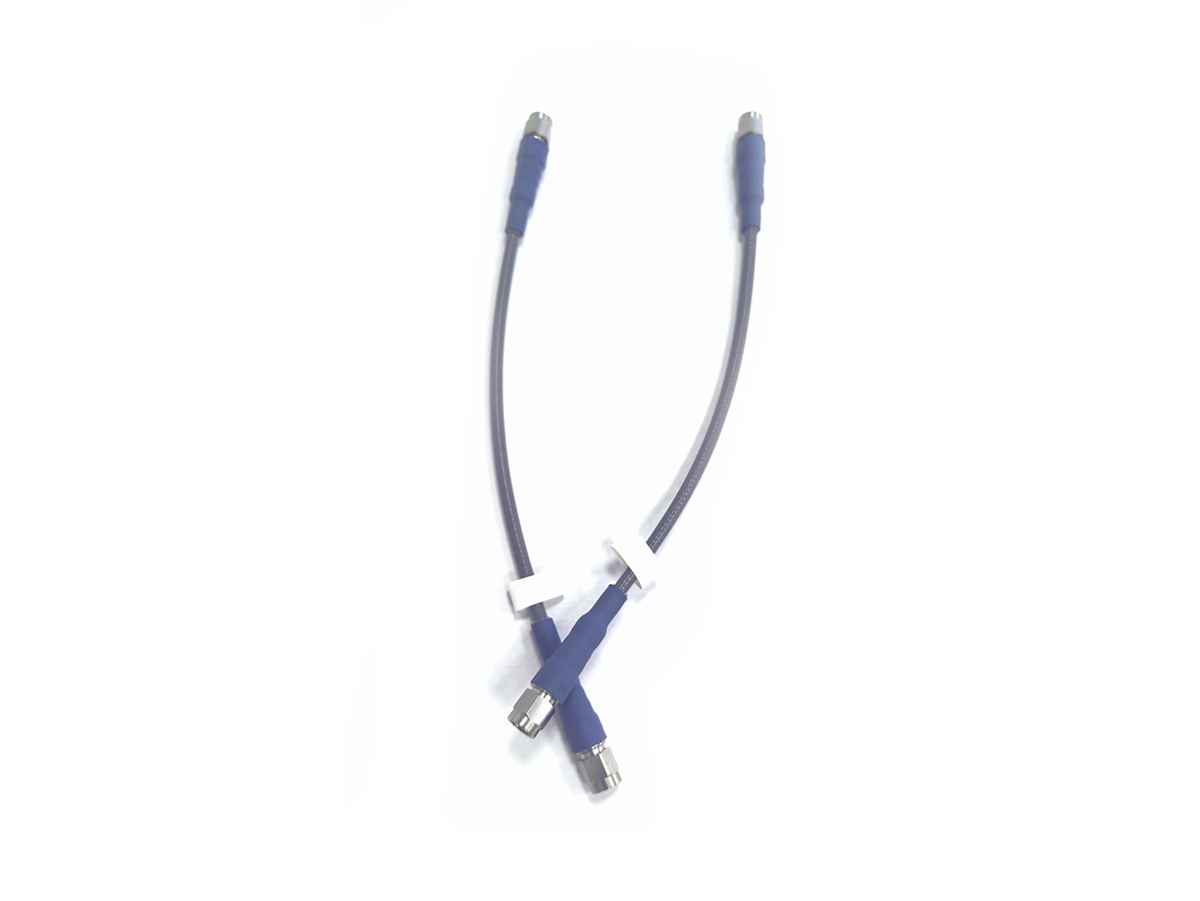
Now, moving on to RF coaxial lines, these cables serve a different but equally important purpose. They are used to transmit radio frequency signals with minimal loss. The design of coaxial lines allows them to handle a variety of signals, making them versatile for both aviation and telecommunications.
Key Features of RF Coaxial Lines
- Low signal loss
- High shielding effectiveness
- Wide frequency range
These features make RF coaxial lines essential for any system that relies on accurate signal transmission.
Stable Phase Components - What You Need to Know
Stable phase components are another critical element in the realm of aviation technology. But what exactly are they? These components help maintain a consistent phase relationship between signals, which is vital for synchronization in various applications, from navigation systems to communication devices.
Why Stability is Crucial?
In aviation, stability can mean the difference between a smooth operation and a technical hiccup. When signals are out of phase, issues can arise, potentially leading to miscommunication or data errors. Thus, stable phase components ensure that the systems work harmoniously.
Common Questions Answered
Let's tackle some frequently asked questions regarding aviation data lines, RF coaxial lines, and stable phase components:
1. How do I choose the right aviation data line?
When selecting an aviation data line, consider factors like the operating environment, data transfer speed requirements, and compatibility with existing systems. Always consult with a specialist if you're unsure.
2. What are the typical applications of RF coaxial lines?
RF coaxial lines are widely used in radio transmission, satellite communications, and radar systems, making them a staple in the aerospace industry.
3. How can I ensure the reliability of stable phase components?
To ensure reliability, always source components from reputable manufacturers and conduct regular maintenance checks. This will help you avoid unexpected failures during critical operations.
Conclusion
Understanding the ins and outs of aviation data lines, RF coaxial lines, and stable phase components is essential for anyone involved in the aerospace sector. By addressing common questions, we hope to shed light on these indispensable elements, ensuring that your systems remain efficient and reliable.


Do you have Questions?
Not sure what you're looking for? Unable to find what you need?