

Understanding RG178 Coaxial Cable Assembly: Key Insights for Professionals
Release Date:2026-07-29


---
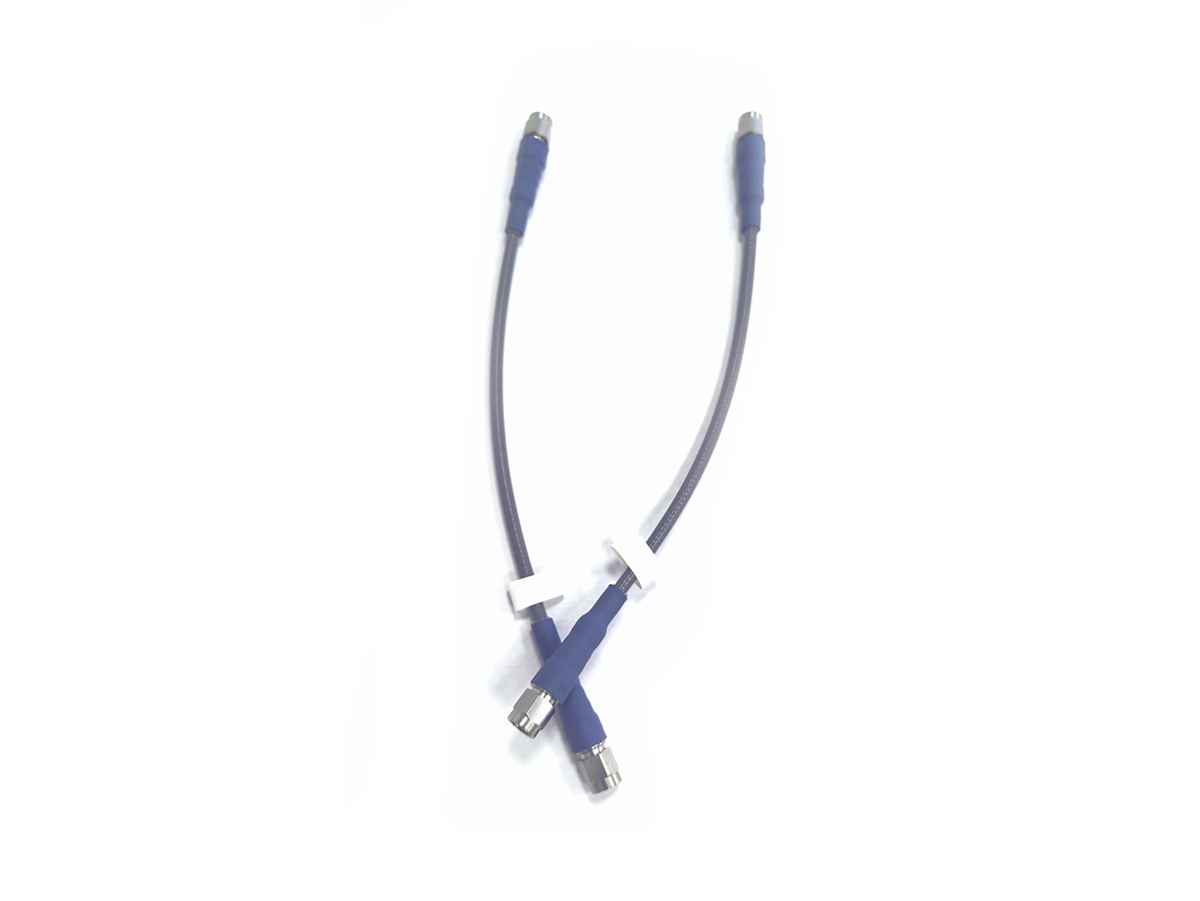
The RG178 coaxial cable assembly is a widely used component in various electrical and electronic applications, particularly for RF (radio frequency) communications. Understanding its structure, characteristics, and applications can significantly enhance its utility in your projects.
**Construction and Design**
The RG178 cable features a central conductor, typically made of solid or stranded copper, surrounded by a dielectric insulator, a shield, and an outer jacket. The central conductor is responsible for transmitting signals, while the dielectric material ensures minimal signal loss. The shield, often composed of braided copper or aluminum foil, plays a crucial role in protecting the signal from external electromagnetic interference. Finally, the outer jacket provides mechanical protection and environmental resistance, ensuring the cable's longevity.
**Key Specifications**
This coaxial cable has a characteristic impedance of 50 ohms, making it an excellent choice for a variety of RF applications. The RG178 is lightweight and flexible, with a small diameter typically between 1.8 mm to 2.2 mm, which allows for easy installation in tight spaces. Its frequency range generally extends up to 6 GHz, making it suitable for high-frequency applications such as antennas, Wi-Fi, and other communication systems.
**Applications**
The RG178 coaxial cable assembly is extensively used in various fields, including telecommunications, aerospace, and automotive industries. Its ability to transmit high-frequency signals with low loss makes it ideal for applications such as:
1. **Antenna Connections**: RG178 is commonly used to connect antennas to equipment due to its flexibility and compact size.
2. **RF Signal Transmission**: It is suitable for transmitting RF signals in communication devices, ensuring reliable performance in wireless systems.
3. **Test Equipment**: Engineers often utilize RG178 cables in testing setups, where durability and signal integrity are essential.
**Considerations for Use**
When selecting an RG178 coaxial cable assembly, several factors should be considered to ensure optimal performance:
- **Length**: The longer the cable, the greater the potential for signal loss. It's essential to use the shortest length necessary for your application.
- **Environment**: Consider the environmental conditions in which the cable will be used. If exposure to moisture or chemicals is a concern, opt for cables with protective jackets.
- **Connectors**: Ensure that the connectors used are compatible with the RG178 cable to maintain signal integrity and prevent any potential issues.
In summary, the RG178 coaxial cable assembly is a versatile and reliable choice for a wide range of RF applications. Understanding its design, specifications, and appropriate usage can lead to better performance in your electronic systems. Whether you're working in telecommunications, aerospace, or any other industry requiring high-frequency signal transmission, RG178 can be an invaluable asset in your toolkit.
The RG178 coaxial cable assembly is a widely used component in various electrical and electronic applications, particularly for RF (radio frequency) communications. Understanding its structure, characteristics, and applications can significantly enhance its utility in your projects.
**Construction and Design**
The RG178 cable features a central conductor, typically made of solid or stranded copper, surrounded by a dielectric insulator, a shield, and an outer jacket. The central conductor is responsible for transmitting signals, while the dielectric material ensures minimal signal loss. The shield, often composed of braided copper or aluminum foil, plays a crucial role in protecting the signal from external electromagnetic interference. Finally, the outer jacket provides mechanical protection and environmental resistance, ensuring the cable's longevity.
**Key Specifications**
This coaxial cable has a characteristic impedance of 50 ohms, making it an excellent choice for a variety of RF applications. The RG178 is lightweight and flexible, with a small diameter typically between 1.8 mm to 2.2 mm, which allows for easy installation in tight spaces. Its frequency range generally extends up to 6 GHz, making it suitable for high-frequency applications such as antennas, Wi-Fi, and other communication systems.
**Applications**
The RG178 coaxial cable assembly is extensively used in various fields, including telecommunications, aerospace, and automotive industries. Its ability to transmit high-frequency signals with low loss makes it ideal for applications such as:
1. **Antenna Connections**: RG178 is commonly used to connect antennas to equipment due to its flexibility and compact size.
2. **RF Signal Transmission**: It is suitable for transmitting RF signals in communication devices, ensuring reliable performance in wireless systems.
3. **Test Equipment**: Engineers often utilize RG178 cables in testing setups, where durability and signal integrity are essential.
**Considerations for Use**
When selecting an RG178 coaxial cable assembly, several factors should be considered to ensure optimal performance:
- **Length**: The longer the cable, the greater the potential for signal loss. It's essential to use the shortest length necessary for your application.
- **Environment**: Consider the environmental conditions in which the cable will be used. If exposure to moisture or chemicals is a concern, opt for cables with protective jackets.
- **Connectors**: Ensure that the connectors used are compatible with the RG178 cable to maintain signal integrity and prevent any potential issues.
In summary, the RG178 coaxial cable assembly is a versatile and reliable choice for a wide range of RF applications. Understanding its design, specifications, and appropriate usage can lead to better performance in your electronic systems. Whether you're working in telecommunications, aerospace, or any other industry requiring high-frequency signal transmission, RG178 can be an invaluable asset in your toolkit.


Do you have Questions?
Not sure what you're looking for? Unable to find what you need?