

Understanding RG Coaxial Cable: Essential Insights for Electrical Applications
Release Date:2025-07-01


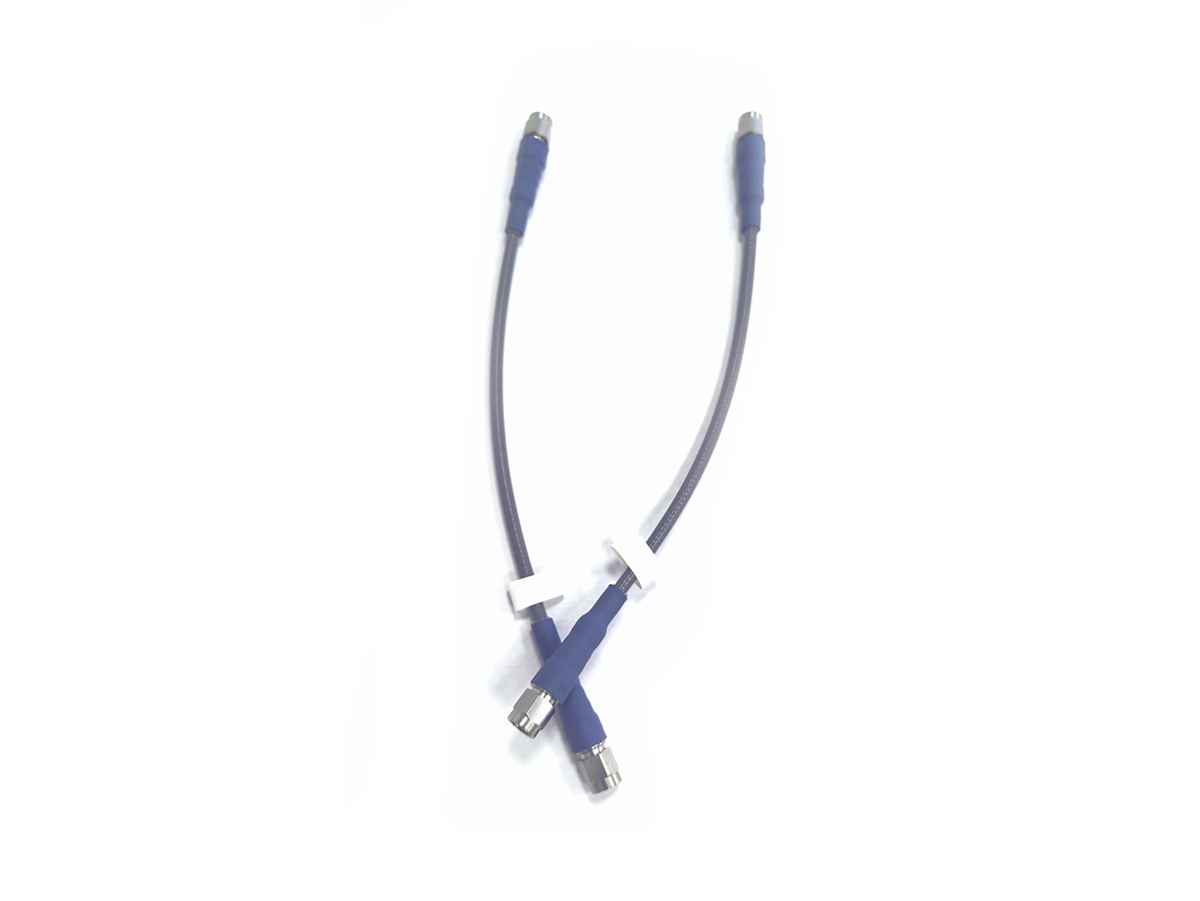
RG coaxial cable is a type of electrical cable widely used in various applications, particularly in telecommunications and broadcast industries. The term "RG" stands for "Radio Guide," and these cables are designed to carry radio frequency signals with minimal loss. Understanding the features and applications of RG coaxial cables can significantly enhance your knowledge about electrical systems.
One of the primary characteristics of RG coaxial cable is its construction. It consists of an inner conductor, an insulating layer, a metallic shield, and an outer insulating layer. The inner conductor is typically made of copper or aluminum, which allows for efficient signal transmission. The insulating layer separates the inner conductor from the outer layers, ensuring that the signals do not interfere with each other. The metallic shield protects against external electromagnetic interference (EMI), which is crucial for maintaining signal integrity, especially in environments with high levels of electronic noise.

RG coaxial cables come in various types, each designated by a specific RG number, such as RG-6, RG-11, and RG-59. These different types vary in terms of their impedance, diameter, and application suitability. For instance, RG-6 cables are commonly used for cable television and satellite connections due to their excellent shielding and lower signal loss over distances. In contrast, RG-11 is often utilized for longer runs, offering even lower attenuation.
When selecting RG coaxial cables, considering the installation environment is essential. The cable's flexibility, durability, and shielding effectiveness can impact its performance. For outdoor use, cables with a robust outer jacket that can withstand UV exposure and moisture are necessary. Indoor installations may prioritize cables that are easier to handle and install.
Another critical aspect of RG coaxial cables is their impedance, typically ranging from 75 ohms to 50 ohms. This specification is vital for matching the cable to the devices it connects, ensuring optimal signal transfer and minimizing reflections that can degrade performance. Using the correct impedance for your application helps maintain a stable connection and enhances overall efficiency.
In summary, RG coaxial cables are a cornerstone of modern electrical and communication systems. Their unique construction, variety of types, and specific applications make them indispensable for transmitting signals effectively. By understanding the nuances of RG coaxial cables, you can make informed decisions about their use in your projects, leading to better performance and reliability in your electrical installations.


Do you have Questions?
Not sure what you're looking for? Unable to find what you need?