

RF Coaxial Assemblies for High-Frequency Signal Transmission in Aerospace, Telecommunications, and Industrial Systems
Release Date:2026-06-29


RF Coaxial Assemblies Overview
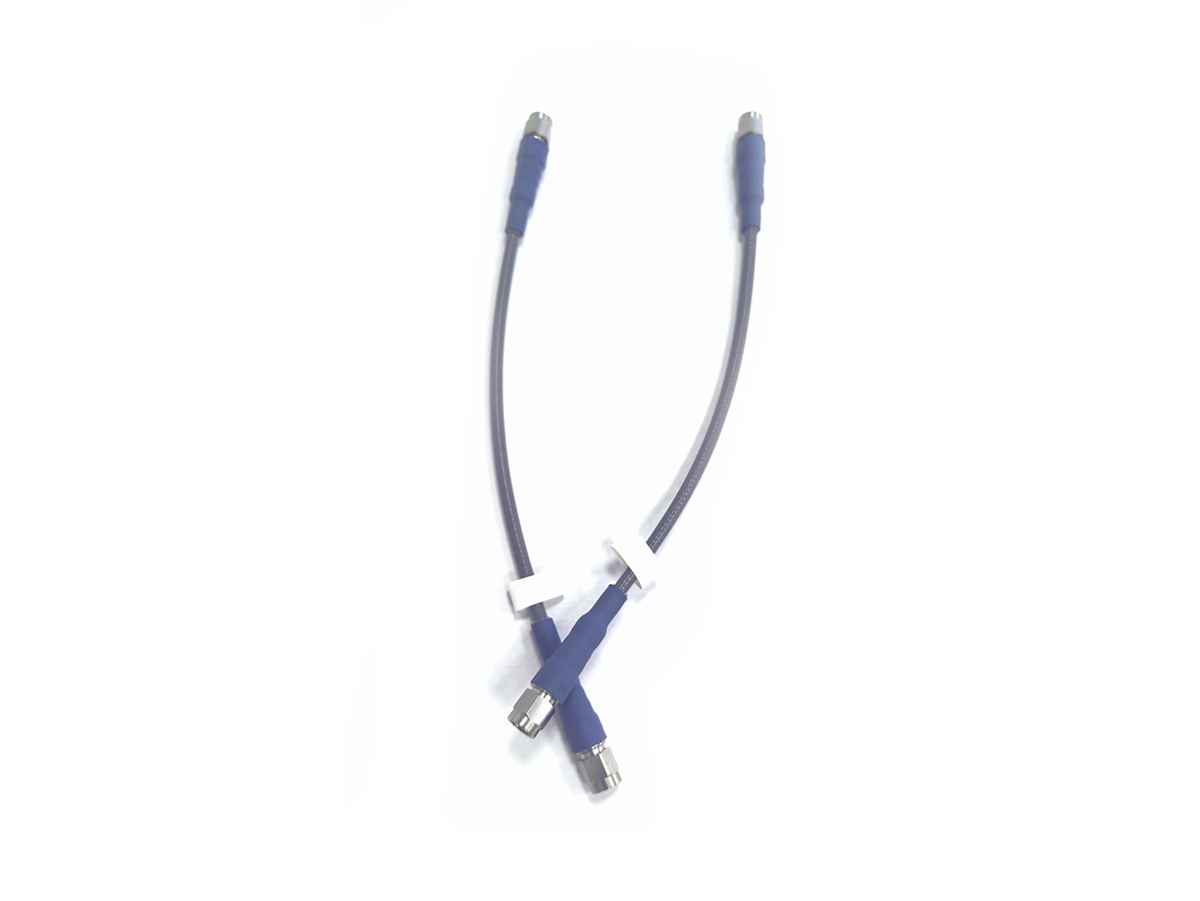
RF Coaxial Assemblies are precision-engineered interconnect solutions designed for the reliable transmission of radio frequency (RF) and high-frequency signals. They are widely used in aerospace, telecommunications, defense systems, radar equipment, satellite communications, and advanced industrial electronics. These assemblies ensure low signal loss, stable impedance control, and strong shielding performance, making them essential components in modern high-speed communication networks.
Structure and Composition
An RF coaxial assembly typically consists of a coaxial cable, RF connectors, and custom termination interfaces. The internal structure includes a central conductor, dielectric insulation layer, metallic shielding, and an outer protective jacket. This layered design ensures controlled signal propagation and minimizes electromagnetic interference (EMI). The connectors at both ends are precisely machined to maintain impedance consistency, usually 50 ohm or 75 ohm depending on application requirements.
Material Selection and Engineering
High-quality materials are critical to RF performance. Conductors are often made of copper or silver-plated copper to reduce resistance and improve conductivity. The dielectric materials, such as PTFE (Teflon), polyethylene, or foam insulation, are selected for low dielectric loss and thermal stability. Connector housings are commonly made of stainless steel, brass, or aluminum alloy with corrosion-resistant coatings such as nickel or gold plating.
Electrical Performance Characteristics
RF coaxial assemblies are designed to maintain excellent signal integrity across a wide frequency range, from megahertz (MHz) to gigahertz (GHz). Key performance parameters include low insertion loss, high return loss, stable impedance matching, and minimal signal reflection. These characteristics are essential for maintaining accurate and efficient data transmission in critical systems.
Types of RF Coaxial Assemblies
There are multiple types of RF coaxial assemblies, including flexible coaxial cables, semi-rigid cables, and conformable coaxial assemblies. Flexible types are used in dynamic environments requiring frequent movement, while semi-rigid cables are preferred for stable installations requiring precise electrical performance. Custom assemblies can be designed for specific frequency ranges, power levels, and environmental conditions.
Connector Types and Interfaces
Common RF connector types include SMA, SMB, SMC, N-type, TNC, BNC, MCX, and MMCX connectors. Each type is designed for specific frequency ranges and mechanical requirements. SMA connectors are widely used for high-frequency applications, while N-type connectors are suitable for higher power transmission. Proper connector selection is critical to ensure system compatibility and performance stability.
Applications in Aerospace and Defense
In aerospace systems, RF coaxial assemblies are used in avionics, radar systems, navigation equipment, and satellite communication systems. Their ability to withstand vibration, temperature extremes, and electromagnetic interference makes them ideal for mission-critical applications. In defense systems, they support secure communication, electronic warfare systems, and radar signal processing.
Applications in Telecommunications
In telecommunications, RF coaxial assemblies are essential for base stations, antennas, signal distribution networks, and broadband systems. They ensure stable signal transmission between transmitting and receiving units, supporting high-speed data communication and network reliability.
Industrial and Commercial Applications
Beyond aerospace and telecom, RF coaxial assemblies are used in medical imaging equipment, test and measurement devices, industrial automation systems, and broadcasting equipment. Their versatility allows integration into both high-precision laboratory instruments and large-scale industrial systems.
Environmental Resistance and Durability
These assemblies are designed to operate in harsh environments, including extreme temperatures, humidity, vibration, and mechanical stress. Protective jackets made of PVC, polyethylene, or fluoropolymer materials enhance durability and chemical resistance. Many assemblies also meet military and industrial standards such as MIL-DTL specifications and IP-rated protection levels.
Customization and Design Flexibility
RF coaxial assemblies can be fully customized based on length, connector type, impedance, frequency range, and shielding requirements. Manufacturers often provide tailored solutions for specific engineering projects, ensuring optimal performance in specialized applications.
Installation and Maintenance
Proper installation is essential for maintaining RF performance. Assemblies should be handled carefully to avoid bending beyond minimum radius specifications. Connectors must be securely tightened to prevent signal leakage. Regular inspection ensures long-term reliability and prevents degradation due to environmental exposure.
Advantages of RF Coaxial Assemblies
Key advantages include excellent signal integrity, high durability, low electromagnetic interference, flexible design options, and wide frequency compatibility. These features make them indispensable in modern communication and electronic systems.
Market Demand and Industry Trends
The demand for RF coaxial assemblies continues to grow due to advancements in 5G networks, satellite communications, aerospace expansion, and defense modernization. Manufacturers are focusing on miniaturization, higher frequency support, and improved shielding technologies to meet evolving industry requirements.
Future Development Directions
Future innovations include ultra-low loss materials, higher frequency capability beyond millimeter-wave ranges, and smart RF assemblies with embedded sensing capabilities for real-time performance monitoring. These advancements will further enhance the efficiency and reliability of communication systems.


Do you have Questions?
Not sure what you're looking for? Unable to find what you need?